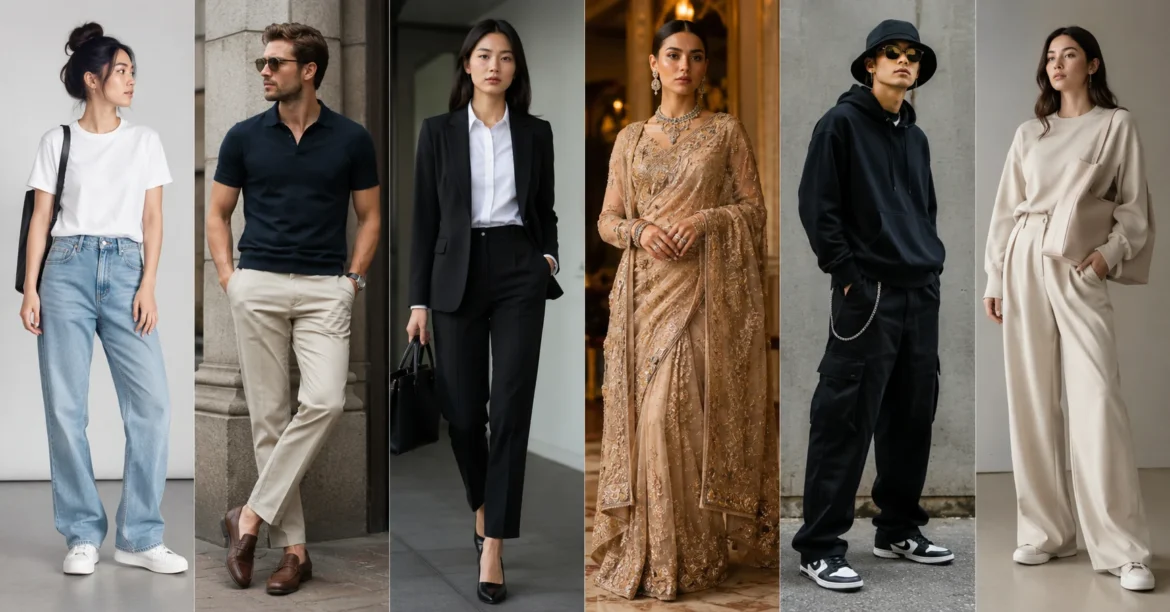
Different Types of Fashion Styles: A Complete Guide for Every Occasion
Different types of fashion styles help people express their personality, lifestyle, and confidence through clothing. Whether you prefer casual outfits, luxury fashion, streetwear, business casual, or minimalist fashion, understanding these styles makes it easier to build a wardrobe that suits every occasion. In this complete guide, you’ll discover the most popular fashion styles, how to identify your own style, and practical tips for dressing with confidence.
Table of Contents
- What Are Fashion Styles?
- Why Understanding Fashion Styles Matters
- How to Find Your Personal Style
- Casual Fashion
- Smart Casual
- Business Casual
- Formal Fashion
- Streetwear
- Luxury Fashion
- Minimalist Fashion
- Bohemian Style
- Athleisure
- Traditional Fashion
- Sustainable Fashion
- Fashion Style Comparison
- Which Fashion Style Is Right for You?
- Fashion Mistakes to Avoid
- FAQs
- Conclusion
What Are Fashion Styles?
Fashion styles are different ways of dressing that reflect a person’s personality, lifestyle, culture, profession, or preferences. While fashion trends come and go every season, fashion styles tend to remain more consistent because they represent how individuals choose to express themselves.
Think of fashion styles as different “languages” of clothing. Just as people have different personalities, they also have different ways of dressing. Some people prefer simple, timeless outfits, while others enjoy bold colors, luxury brands, or modern streetwear.
Understanding fashion styles helps you build a wardrobe that works for your daily life rather than buying clothes that you rarely wear.
Whether you’re a student, working professional, homemaker, or fashion enthusiast, discovering your style can make shopping easier, improve your confidence, and help you create outfits that truly represent who you are.
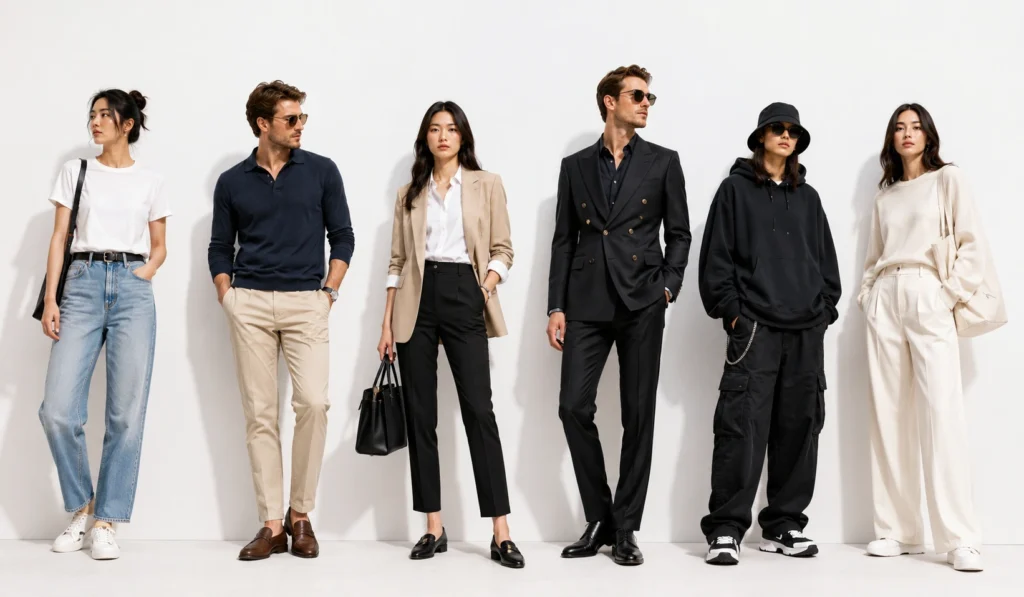
Why Understanding Fashion Styles Matters
Many beginners believe they need to follow every new trend to look fashionable. In reality, understanding your personal fashion style is much more important than chasing seasonal trends.
Knowing your preferred style helps you:
- Build a practical wardrobe.
- Save money by avoiding unnecessary purchases.
- Dress confidently for different occasions.
- Create outfits more quickly.
- Develop a consistent personal image.
For example, someone who prefers minimalist fashion will naturally choose clean lines and neutral colors, while someone drawn to streetwear may enjoy oversized clothing and sneakers.
Neither style is better than the other—they simply suit different personalities and lifestyles.
Fashion becomes much easier when you stop asking, “What’s trending?” and start asking, “What suits me?”
Fashion Style vs Fashion Trend
Many people confuse fashion styles with fashion trends, but they are different concepts.
| Fashion Style | Fashion Trend |
|---|---|
| Reflects personality | Changes every season |
| Long-term | Temporary |
| Consistent wardrobe | Influenced by designers and social media |
| Personal expression | Popular at a particular time |
| Develops gradually | Can disappear quickly |
For example, a person may have a minimalist style while occasionally incorporating a trending color or accessory into their outfit.
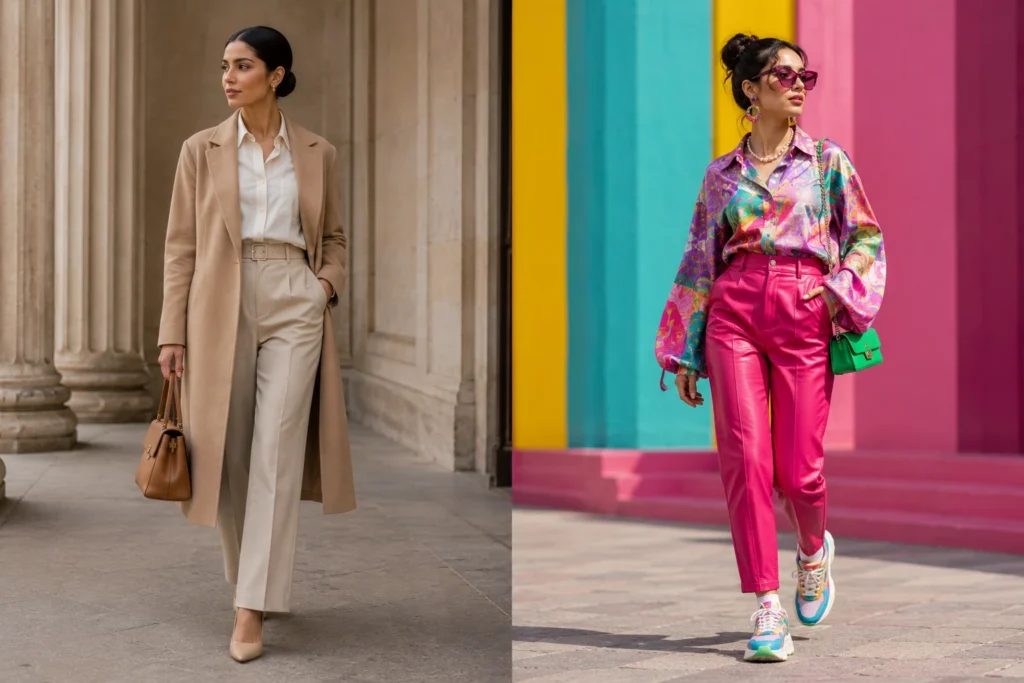
The trend changes, but the underlying style remains the same.
Before exploring specific fashion styles, you may find it helpful to read our What Is Fashion? The Complete Beginner’s Guide, which explains the fundamentals of fashion, personal style, and how trends influence the way we dress.
How to Discover Your Personal Style
Finding your personal style doesn’t happen overnight. It’s a gradual process of understanding what makes you feel comfortable, confident, and authentic.
Here are a few practical steps to help you discover your style.
1. Understand Your Lifestyle
Your wardrobe should reflect how you spend your time.
Ask yourself:
- Do you work in an office?
- Are you a university student?
- Do you attend formal events often?
- Do you travel frequently?
- Do you prefer comfort or elegance?
Your answers will help you identify the types of clothing you need most.
2. Choose Clothes That Fit Well
No matter which fashion style you prefer, proper fit is essential.
Well-fitted clothing looks more polished, feels more comfortable, and improves confidence.
Instead of focusing only on brand names, pay attention to:
- Shoulder fit
- Sleeve length
- Trouser length
- Waist fit
- Fabric quality
3. Build Around Wardrobe Essentials
Every style begins with versatile basics.
Examples include:
- White shirt
- Blue jeans
- Black trousers
- Neutral blazer
- Comfortable sneakers
- Leather shoes
- Simple handbag
- Classic watch
These essentials work with almost every fashion style.
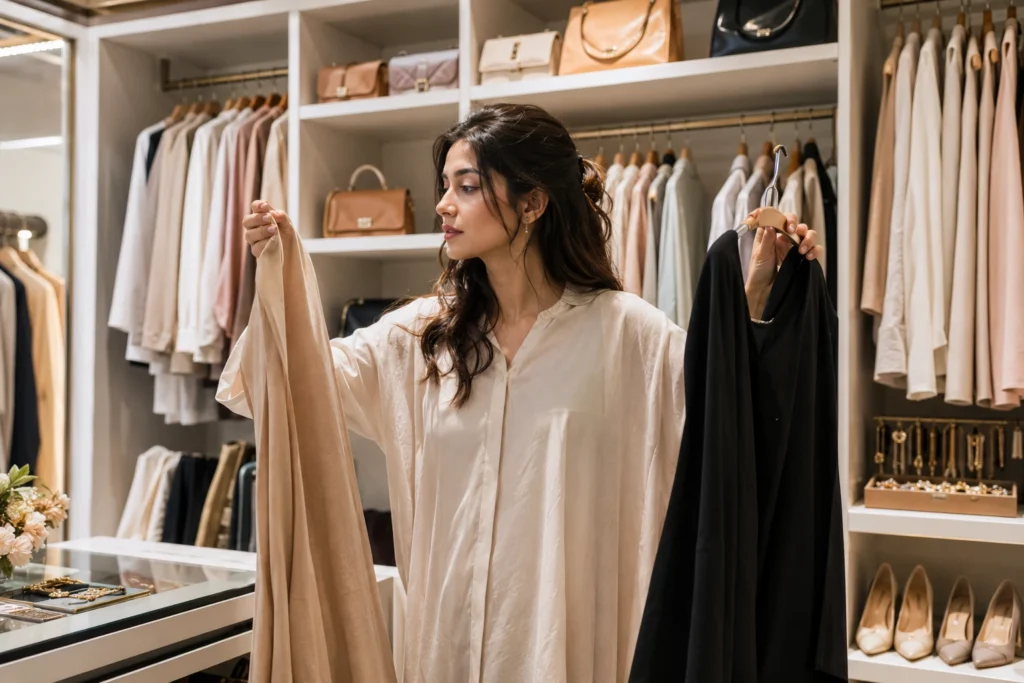
Different Types of Fashion Styles: Casual Fashion
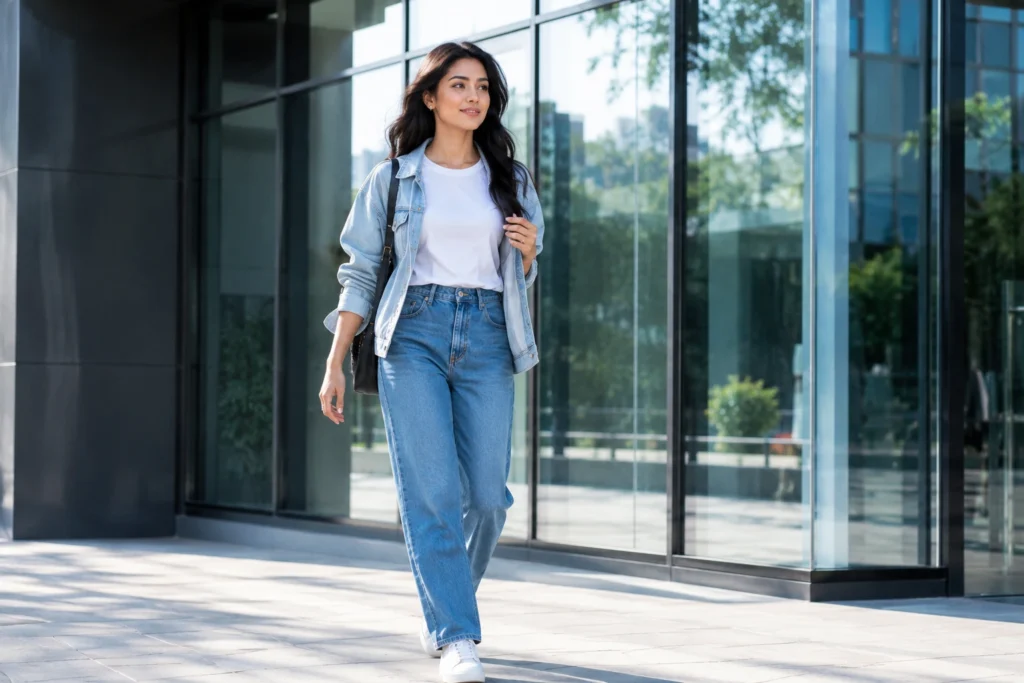
Casual fashion is the most popular clothing style in everyday life. It focuses on comfort, practicality, and effortless style.
Unlike formal clothing, casual fashion allows greater flexibility while still looking neat and fashionable.
Typical casual wardrobe items include:
- T-shirts
- Jeans
- Polo shirts
- Sneakers
- Hoodies
- Casual dresses
- Denim jackets
- Comfortable sandals
Casual fashion is ideal for:
- University
- Shopping
- Weekend outings
- Travel
- Everyday activities
Wardrobe Essentials
- White sneakers
- Blue jeans
- Plain T-shirts
- Denim jacket
- Lightweight hoodie
Styling Tip
Choose well-fitted basics in neutral colors, then add one colorful accessory such as a scarf, cap, or handbag to create visual interest.
Smart Casual Fashion
Smart casual is one of the most versatile fashion styles because it balances comfort with sophistication.
It sits between casual and formal wear, making it suitable for occasions where you want to look polished without appearing overly formal.
Examples of smart casual outfits include:
Women
- Tailored trousers with a blouse
- Midi dress with loafers
- Blazer over a simple top and jeans
Men
- Chinos with a polo shirt
- Oxford shirt with dark jeans
- Lightweight blazer with loafers
Smart casual works well for:
- Dinner dates
- Business lunches
- Networking events
- Casual office environments
- Family celebrations
Wardrobe Essentials
- Neutral blazer
- Chinos or tailored trousers
- Loafers
- Oxford shirt
- Leather belt
Common Mistake
Avoid combining very formal pieces, such as a business suit and tie, with sporty clothing. Smart casual should look balanced and intentional.
Business Casual Fashion
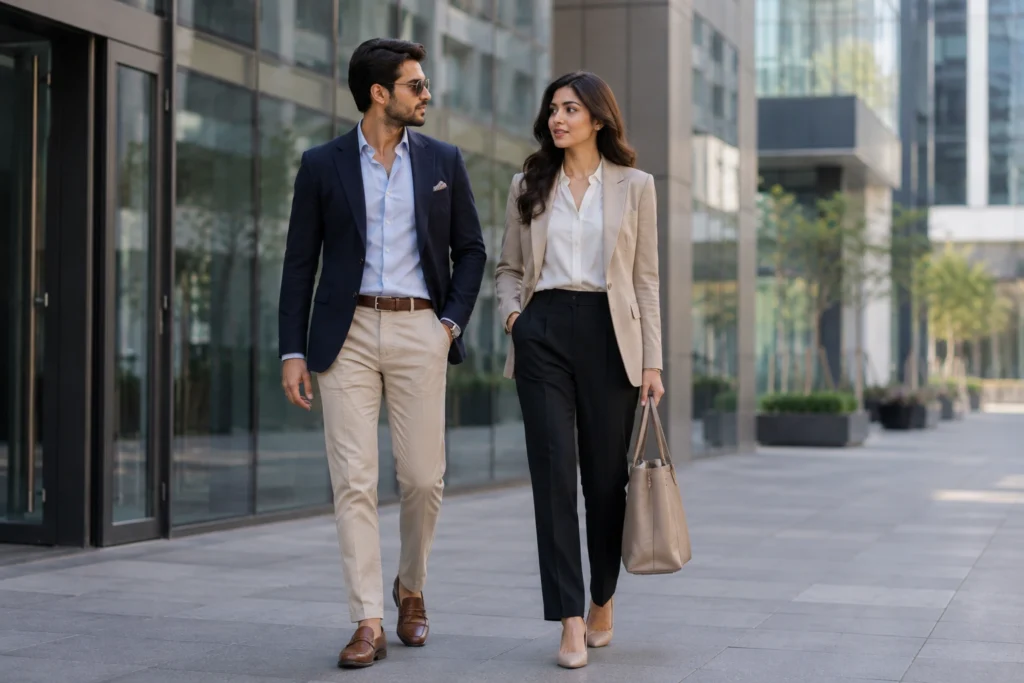
Business casual is a professional dress style that combines the polished appearance of formal wear with the comfort of casual clothing. It has become increasingly popular in modern workplaces where employees are encouraged to dress professionally without wearing a full suit every day.
Business casual is ideal for professionals who want to look smart, approachable, and confident.
Unlike formal business attire, business casual allows more flexibility in colors, fabrics, and outfit combinations.
Key Characteristics
Business casual focuses on clean, well-fitted clothing that maintains a professional appearance.
Typical clothing includes:
Women
- Blazers
- Tailored trousers
- Midi skirts
- Blouses
- Closed-toe flats
- Block heels
Men
- Chinos
- Oxford shirts
- Polo shirts
- Blazers
- Leather loafers
- Dress shoes
Neutral colors such as navy, grey, beige, black, and white work particularly well.
Best Occasions
Business casual is perfect for:
- Office work
- Client meetings
- Conferences
- Business lunches
- Interviews (where a full suit isn’t required)
- Professional networking events
Wardrobe Essentials
- Navy blazer
- White Oxford shirt
- Beige chinos
- Black trousers
- Leather loafers
- Structured handbag
- Classic wristwatch
Outfit Example
Women
White blouse + Beige tailored trousers + Black blazer + Nude heels + Leather tote bag
Men
Light blue Oxford shirt + Navy chinos + Brown loafers + Navy blazer + Leather belt
Styling Tip
Keep accessories minimal. A clean watch, quality belt, and structured handbag often create a more professional impression than wearing multiple accessories.
Common Mistakes
Avoid:
- Ripped jeans
- Graphic T-shirts
- Sportswear
- Flip-flops
- Oversized hoodies
- Excessively bright patterns
Business casual should always look neat and intentional.

Formal Fashion
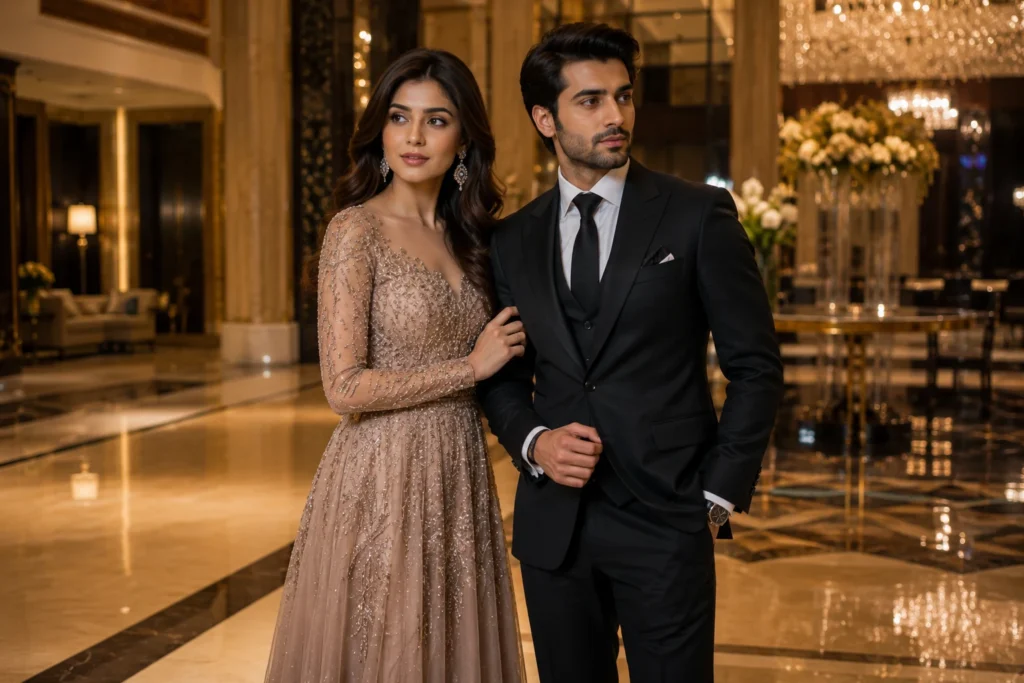
Formal fashion represents elegance, sophistication, and timeless style. It is reserved for occasions that require a polished and refined appearance.
Formal clothing emphasizes excellent tailoring, premium fabrics, and attention to detail.
Key Characteristics
Formal fashion typically includes:
Women
- Evening gowns
- Cocktail dresses
- Elegant heels
- Clutches
- Fine jewelry
Men
- Business suits
- Tuxedos
- Dress shirts
- Silk ties
- Oxford shoes
Dark, neutral colors such as black, navy, charcoal, and deep burgundy are commonly associated with formal wear.
Best Occasions
Formal fashion is appropriate for:
- Weddings
- Black-tie events
- Award ceremonies
- Corporate galas
- Formal dinners
- Graduation ceremonies
Wardrobe Essentials
- Black suit
- White dress shirt
- Black leather shoes
- Silk tie
- Elegant evening dress
- Clutch bag
- Pearl or diamond-inspired jewelry
Outfit Example
Women
Navy evening gown + Metallic heels + Matching clutch + Minimal jewelry
Men
Black suit + White dress shirt + Black tie + Oxford shoes
Styling Tip
When dressing formally, focus on fit before fashion. Even a simple outfit looks luxurious when tailored correctly.
Common Mistakes
Avoid:
- Wrinkled clothing
- Casual sneakers
- Large backpacks
- Loud prints
- Poorly fitted jackets
Different Types of Fashion Styles: Streetwear
Streetwear is one of the most influential modern fashion styles. Originating from skateboarding, hip-hop, and youth culture, it has grown into a global movement embraced by both luxury brands and everyday fashion enthusiasts. A capsule wardrobe can be adapted to any style as well.
Streetwear values individuality, comfort, and creativity over traditional fashion rules.
Key Characteristics
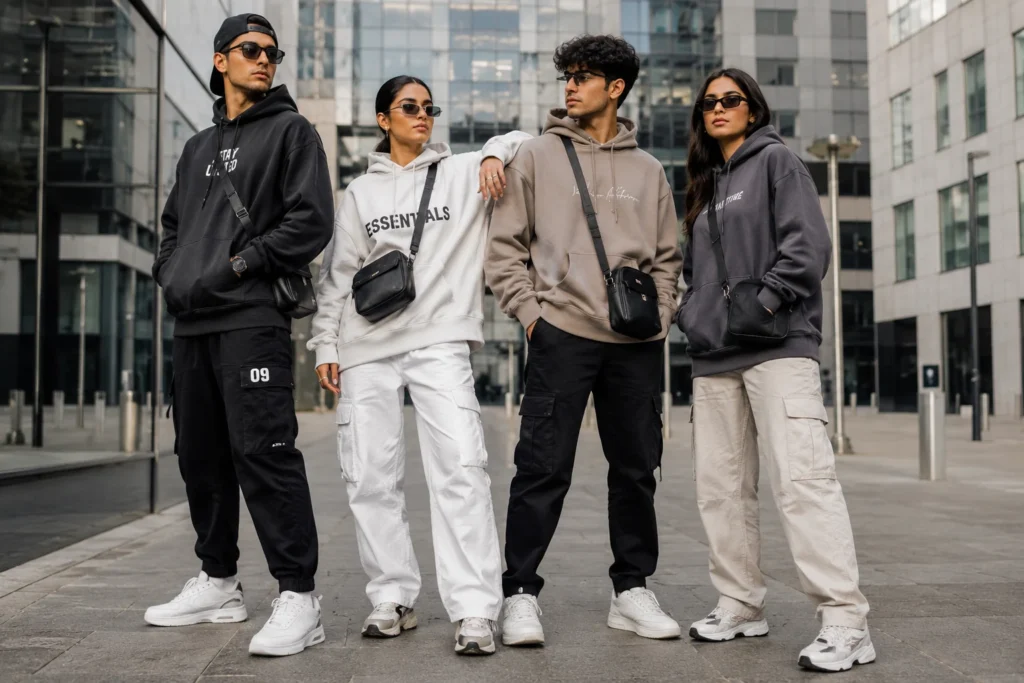
Streetwear often features:
- Oversized hoodies
- Graphic T-shirts
- Cargo pants
- Sneakers
- Baseball caps
- Bomber jackets
- Crossbody bags
It frequently combines bold graphics with relaxed silhouettes.
Best Occasions
Streetwear works well for:
- Casual outings
- Shopping
- Travel
- University
- Music festivals
- Weekend activities
Wardrobe Essentials
- Oversized hoodie
- Graphic T-shirt
- White sneakers
- Cargo pants
- Denim jacket
- Cap
Outfit Example
Oversized hoodie + Black cargo trousers + White sneakers + Crossbody bag + Baseball cap
Styling Tip
Balance oversized pieces with more fitted garments. For example, pair an oversized hoodie with slim-fit trousers to create a cleaner silhouette.
Common Mistakes
Avoid:
- Wearing oversized clothing from head to toe
- Mixing too many bold graphics
- Neglecting clean sneakers
- Wearing poorly maintained clothing
Luxury Fashion
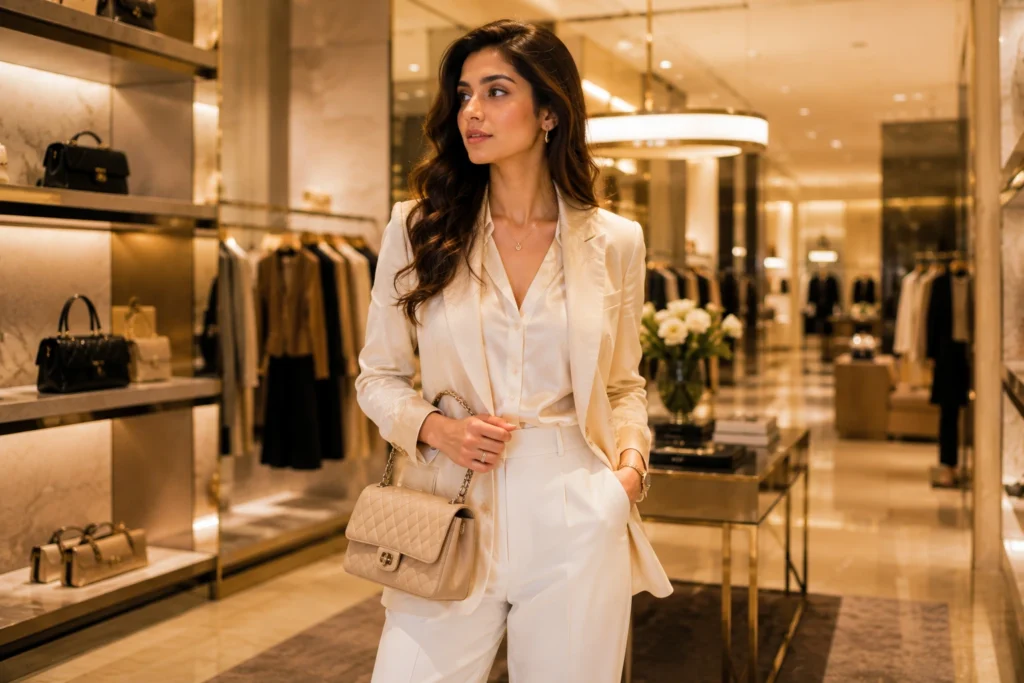
Luxury fashion is one of the most elegant different types of fashion styles. It focuses on exceptional craftsmanship, premium materials, timeless design, and exclusivity. Rather than changing rapidly with every trend, luxury fashion often emphasises quality and longevity.
Luxury clothing is designed with meticulous attention to detail, using high-quality fabrics and skilled tailoring.
Understanding these styles becomes much easier when you know how fashion has evolved over time. Explore our History of Fashion: How Clothing Evolved Through Time to discover how today’s clothing styles developed through centuries of cultural and social change.
For readers interested in luxury fashion, runway collections, and designer insights, Vogue regularly covers global fashion trends and luxury collections.
Key Characteristics
Luxury fashion typically includes:
- Premium fabrics
- Excellent tailoring
- Elegant silhouettes
- Limited collections
- Timeless color palettes
- High-quality accessories
The emphasis is on craftsmanship rather than simply displaying logos.
Best Occasions
Luxury fashion is suitable for:
- Formal events
- High-end dining
- Luxury travel
- Business meetings
- Fashion events
- Celebrations
Wardrobe Essentials
- Tailored blazer
- Cashmere sweater
- Leather handbag
- Designer-inspired loafers
- Silk scarf
- Quality leather belt
Outfit Example
Cream blazer + White trousers + Silk blouse + Leather handbag + Nude pumps
Styling Tip
Luxury style doesn’t require an expensive wardrobe. Choosing fewer, well-made pieces often creates a more elegant appearance than owning many lower-quality items.
Common Mistakes
Avoid:
- Buying fake luxury products
- Wearing large logos on every item
- Ignoring fit and tailoring
- Prioritizing brand names over quality
Comparison Table
| Style | Comfort | Formality | Best For |
|---|---|---|---|
| Casual | ⭐⭐⭐⭐⭐ | ⭐ | Everyday wear |
| Smart Casual | ⭐⭐⭐⭐ | ⭐⭐⭐ | Social events, dinners |
| Business Casual | ⭐⭐⭐ | ⭐⭐⭐⭐ | Office and meetings |
| Formal | ⭐⭐ | ⭐⭐⭐⭐⭐ | Weddings, ceremonies |
| Streetwear | ⭐⭐⭐⭐⭐ | ⭐ | Youth culture and travel |
| Luxury | ⭐⭐⭐ | ⭐⭐⭐⭐⭐ | Premium events and refined occasions |
Minimalist Fashion
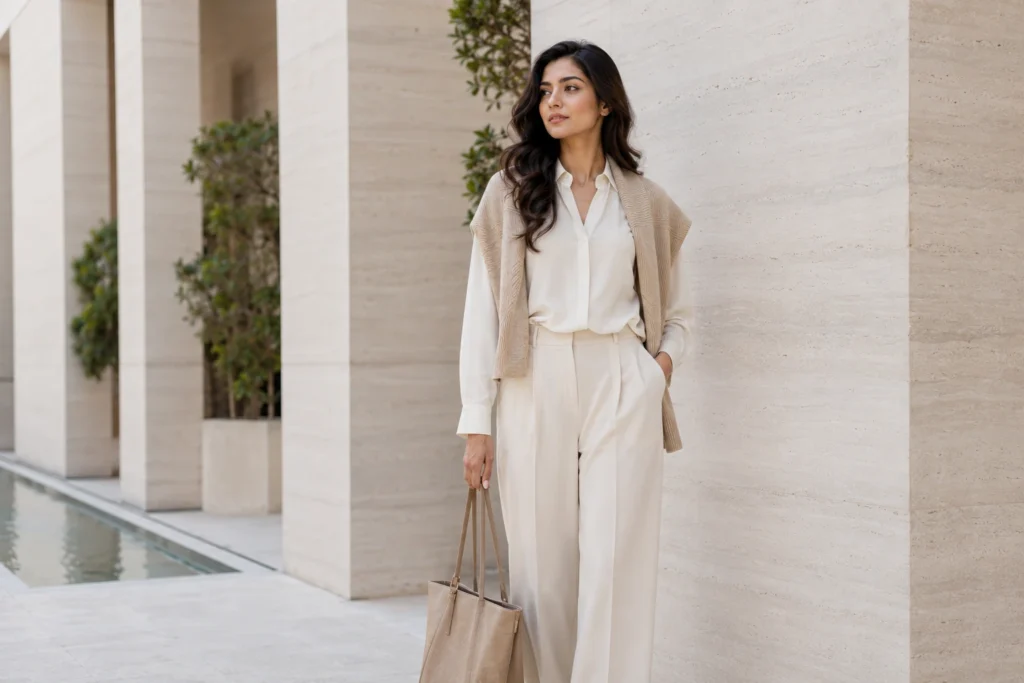
Minimalist fashion is built around the idea that less is more. Instead of following every trend, it focuses on timeless clothing, neutral colors, clean lines, and versatile wardrobe pieces that can be mixed and matched effortlessly. Minimalism is one of the easiest different types of fashion styles for beginners
This style is ideal for people who value simplicity, elegance, and practicality.
A minimalist wardrobe doesn’t mean owning fewer clothes just for the sake of it. It means choosing high-quality pieces that work well together and remain stylish for years.
Key Characteristics
Minimalist fashion typically includes:
- Neutral color palettes
- Simple patterns
- Clean silhouettes
- High-quality fabrics
- Timeless designs
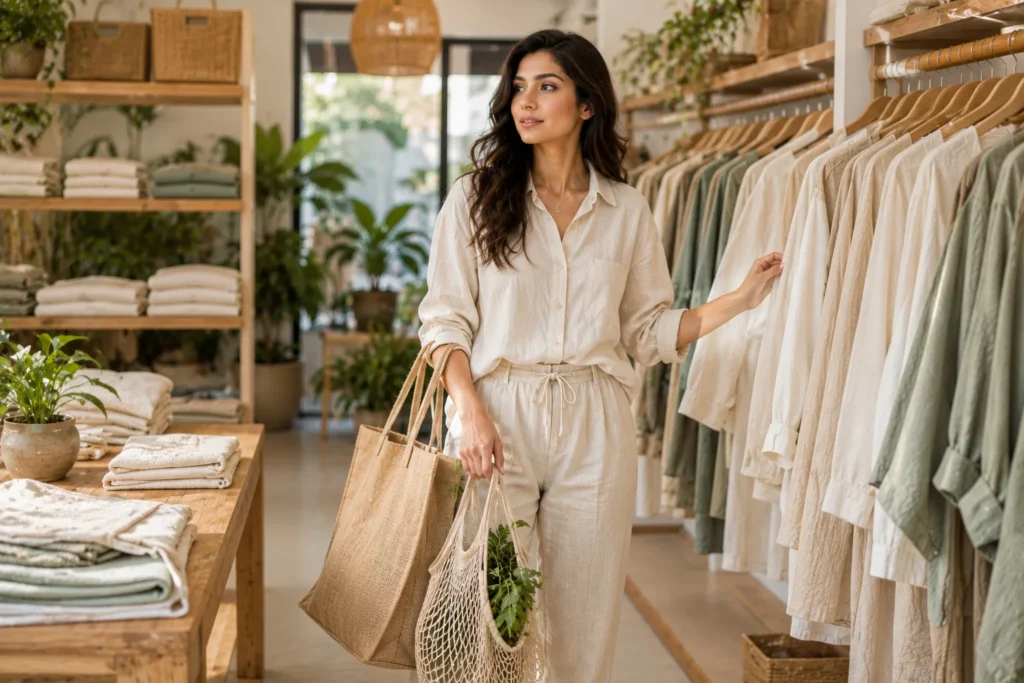
- Minimal accessories
Popular colors include:
- White
- Black
- Grey
- Beige
- Navy
- Olive
Best Occasions
Minimalist fashion works well for:
- Office
- University
- Business meetings
- Daily wear
- Travel
- Casual dinners
Wardrobe Essentials
- White shirt
- Black trousers
- Beige blazer
- Straight-leg jeans
- White sneakers
- Leather loafers
- Neutral handbag
Outfit Example
Women
White oversized shirt + Beige trousers + White sneakers + Black leather handbag
Men
White Oxford shirt + Navy chinos + Brown loafers + Minimal watch
Styling Tip
Invest in fewer but better-quality garments. Quality fabrics and excellent tailoring are the foundation of minimalist fashion.
Common Mistakes
Avoid:
- Buying clothing with large logos
- Mixing too many colors
- Wearing poor-quality basics
- Over-accessorising
Bohemian (Boho) Fashion
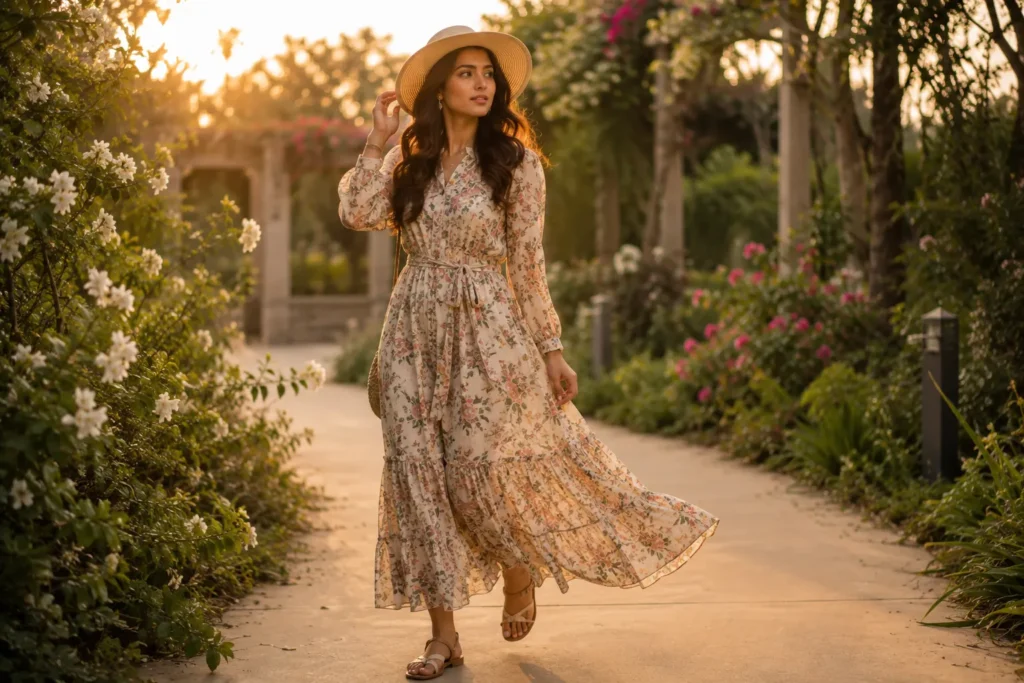
Bohemian fashion, often called Boho style, is inspired by artistic freedom, travel, and nature. It embraces relaxed silhouettes, earthy colors, handcrafted accessories, and flowing fabrics. Bohemian fashion is one of the most elegant different types of fashion styles.
Boho fashion became especially popular during the 1960s and 1970s and continues to influence modern fashion today.
Key Characteristics
Bohemian style often includes:
- Maxi dresses
- Wide-leg trousers
- Floral prints
- Crochet fabrics
- Fringes
- Layered jewelry
- Straw hats
- Sandals
Earth tones such as brown, beige, olive green, mustard, and terracotta are common.
Best Occasions
Boho fashion is suitable for:
- Vacations
- Outdoor festivals
- Beach holidays
- Weekend outings
- Creative work environments
Wardrobe Essentials
- Maxi dress
- Kimono
- Wide-brim hat
- Leather sandals
- Crossbody bag
- Layered necklaces
Outfit Example
Floral maxi dress + Straw hat + Brown sandals + Woven handbag
Styling Tip
Choose natural fabrics such as cotton and linen to create a relaxed and breathable look.
Athleisure Fashion
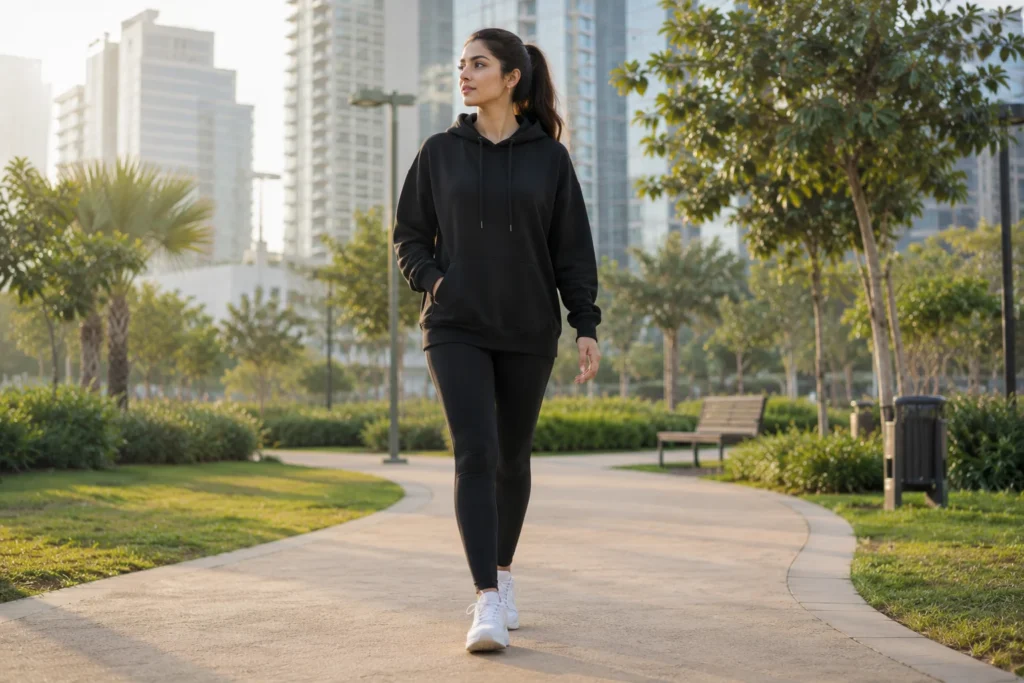
Athleisure is another example of the different types of fashion styles popular today. It is one of the fastest-growing fashion styles in recent years. It blends athletic clothing with everyday fashion, allowing people to remain comfortable while looking stylish.
Unlike traditional sportswear, athleisure is designed to be worn both inside and outside the gym.
Key Characteristics
Athleisure commonly includes:
- Leggings
- Joggers
- Hoodies
- Sweatshirts
- Sports bras
- Running shoes
- Zip-up jackets
Best Occasions
Athleisure works well for:
- Gym
- Walking
- Shopping
- Travel
- Casual outings
- Working from home
Wardrobe Essentials
- Black leggings
- Neutral hoodie
- White sneakers
- Performance jacket
- Sports T-shirt
Outfit Example
Black leggings + Oversized hoodie + White sneakers + Crossbody bag
Styling Tip
Choose clean, neutral athletic pieces rather than brightly branded sports uniforms if you want a polished athleisure look.
Sustainable Fashion
Sustainable fashion is becoming one of today’s fastest-growing different types of fashion styles. It focuses on reducing environmental impact while encouraging ethical production and responsible shopping habits.
Rather than constantly buying new clothing, sustainable fashion promotes thoughtful purchasing decisions and long-lasting wardrobe pieces.
Organizations and fashion publications such as The Business of Fashion regularly discuss sustainability, ethical manufacturing, and the future of responsible fashion.
Key Characteristics
Sustainable fashion emphasizes:
- Eco-friendly materials
- Ethical manufacturing
- Quality over quantity
- Recycling
- Repairing clothing
- Responsible shopping
Best Occasions
Sustainable fashion isn’t tied to a specific occasion. Instead, it’s a philosophy that can be applied to every wardrobe.
Wardrobe Essentials
- Organic cotton T-shirts
- Linen shirts
- Recycled denim
- Durable leather alternatives
- Timeless basics
Styling Tip
Choose versatile clothing that can be worn across multiple seasons and occasions.
Traditional Fashion
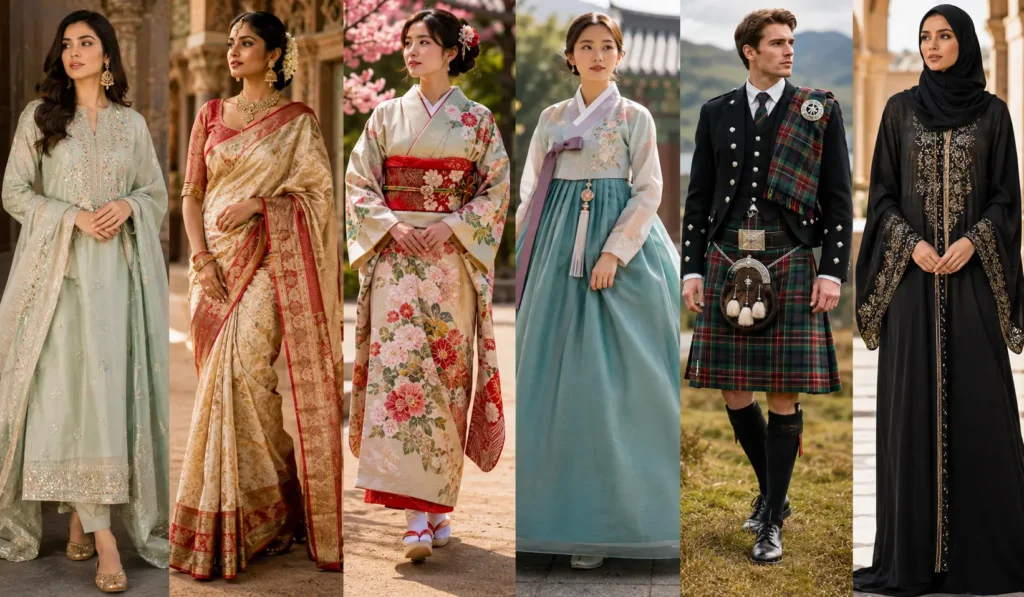
Traditional fashion celebrates the cultural identity, craftsmanship, and heritage of different regions around the world. While trends change over time, traditional clothing remains an important part of festivals, weddings, religious events, and national celebrations. It is another example of the different types of fashion styles popular now a days.
Examples include:
- Pakistani Shalwar Kameez
- Indian Saree
- Japanese Kimono
- Korean Hanbok
- Scottish Kilt
- Middle Eastern Abaya
Modern designers often combine traditional garments with contemporary elements, creating styles that respect cultural heritage while appealing to today’s fashion lovers.
Understanding the history behind these clothing styles helps you appreciate how fashion has evolved across cultures. Read our History of Fashion: How Clothing Evolved Through Time to explore the origins of many traditional and modern fashion styles.
Which Fashion Style Is Right for You?
Choosing a fashion style doesn’t mean limiting yourself to one look forever. Most people naturally combine elements from several styles depending on their lifestyle, profession, and personal preferences.
Ask yourself these questions:
✔ Do you prioritize comfort?
You may prefer Casual or Athleisure.
✔ Do you work in a professional environment?
Business Casual or Formal may suit you best.
✔ Do you appreciate timeless elegance?
Consider Minimalist or Luxury Fashion.
✔ Do you enjoy creativity and artistic expression?
Explore Bohemian or Streetwear.
✔ Do you value sustainability?
Build a wardrobe based on Sustainable Fashion principles.
The best wardrobe reflects your personality, not just current trends.
📋 Quick Fashion Style Finder
| If you like… | Consider… |
|---|---|
| Comfort | Casual, Athleisure |
| Professional appearance | Business Casual, Formal |
| Simplicity | Minimalist |
| Premium quality | Luxury |
| Creativity | Bohemian, Streetwear |
| Eco-conscious living | Sustainable Fashion |
Common Fashion Style Mistakes to Avoid
Even the most stylish wardrobes can be affected by small mistakes. Avoiding these common errors can instantly improve your overall appearance and help you build a more versatile wardrobe.
1. Following Every Trend
Fashion trends change quickly, and not every trend suits everyone. Buying every trending item often leads to a wardrobe full of clothes that are rarely worn.
Instead: Invest in timeless Wardrobe essentials and add trends selectively.
2. Wearing the Wrong Fit
Expensive clothing won’t look good if it doesn’t fit properly.
Avoid garments that are:
- Too tight
- Too loose
- Too long
- Poorly tailored
Well-fitted clothing always looks more polished.
3. Ignoring Fabric Quality
Fabric affects:
- Comfort
- Appearance
- Durability
- Breathability
Choosing quality fabrics often provides better value than buying many low-quality garments.
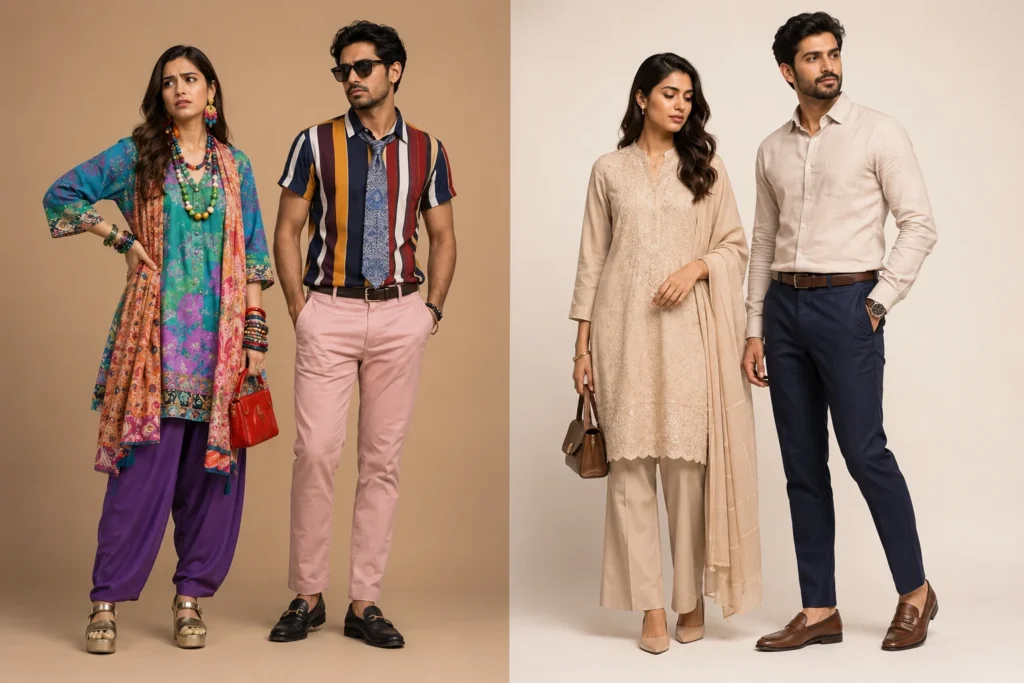
4. Wearing Too Many Accessories
Accessories should complement an outfit—not overpower it.
Choose one or two statement accessories rather than wearing everything at once.
5. Ignoring the Occasion
Different occasions require different styles.
For example:
- Weddings → Formal
- Office → Business Casual
- Weekend → Casual
- Travel → Athleisure
Dressing appropriately demonstrates confidence and good judgment.
Wardrobe Checklist for Every Beginner
If you’re just starting to build your wardrobe, focus on versatile pieces that work across multiple fashion styles.
Essential Tops
- White T-shirt
- Black T-shirt
- White Oxford shirt
- Neutral blouse
- Polo shirt
Bottoms
- Blue jeans
- Black trousers
- Beige chinos
- Denim skirt (optional)
Outerwear
- Neutral blazer
- Denim jacket
- Lightweight cardigan
Footwear
- White sneakers
- Black loafers
- Comfortable sandals
- Formal shoes
Accessories
- Leather belt
- Wristwatch
- Neutral handbag or backpack
- Sunglasses
These basics can be mixed and matched to create dozens of outfits.
How Fashion Styles Change with the Seasons
Although your personal Fashion styles remains consistent, your wardrobe should adapt to the weather.
| Season | Recommended Fabrics | Popular Colors |
|---|---|---|
| Spring | Cotton, Linen | Pastels, Light Green |
| Summer | Lawn, Cotton, Linen | White, Beige, Sky Blue |
| Autumn | Denim, Knits | Brown, Olive, Rust |
| Winter | Wool, Cashmere | Black, Navy, Grey |
Seasonal changes are a great opportunity to refresh your wardrobe while staying true to your personal style.
Fashion Style Comparison
| Style | Comfort | Formality | Best For | Key Pieces |
|---|---|---|---|---|
| Casual | ⭐⭐⭐⭐⭐ | ⭐ | Everyday wear | Jeans, T-shirts, Sneakers |
| Smart Casual | ⭐⭐⭐⭐ | ⭐⭐⭐ | Dinners, Social Events | Blazer, Chinos |
| Business Casual | ⭐⭐⭐ | ⭐⭐⭐⭐ | Office | Oxford Shirt, Loafers |
| Formal | ⭐⭐ | ⭐⭐⭐⭐⭐ | Weddings, Galas | Suit, Evening Dress |
| Streetwear | ⭐⭐⭐⭐⭐ | ⭐ | Travel, Youth Culture | Hoodies, Sneakers |
| Luxury | ⭐⭐⭐ | ⭐⭐⭐⭐⭐ | Premium Events | Tailored Blazer, Leather Accessories |
| Minimalist | ⭐⭐⭐⭐ | ⭐⭐⭐ | Daily Wear | Neutral Basics |
| Bohemian | ⭐⭐⭐⭐⭐ | ⭐⭐ | Holidays, Festivals | Maxi Dress, Sandals |
| Athleisure | ⭐⭐⭐⭐⭐ | ⭐ | Gym, Travel | Leggings, Joggers |
| Sustainable | ⭐⭐⭐⭐ | ⭐⭐⭐ | Everyday Wear | Organic Cotton, Linen |
Frequently Asked Questions
What is the most popular fashion style?
Casual fashion is the most popular because it combines comfort, versatility, and practicality for everyday life.
Can I combine different?
Yes. Many people mix styles, such as combining minimalist basics with smart casual pieces or adding streetwear accessories to casual outfits.
How do I find my personal fashion style?
Start by considering your lifestyle, favorite colors, preferred clothing fit, and the occasions you dress for most often. Build your wardrobe around timeless essentials and gradually refine your look.
Is expensive clothing necessary to look stylish?
No. Well-fitted clothing made from quality fabrics often looks more stylish than expensive garments that don’t fit properly.
Which fashion style is best for beginners?
Casual and minimalist styles are excellent starting points because they are versatile, easy to wear, and simple to build over time different types of fashion styles.
What is the difference between smart casual and business casual?
Smart casual is more relaxed and suitable for social occasions, while business casual is designed for professional environments and workplace settings.
Does fashion style change with age?
Your style can evolve over time as your lifestyle, career, and preferences change, but there are no strict age rules. The goal is to wear clothing that makes you feel confident and comfortable.
How many fashion styles should I follow?
You don’t need to limit yourself to one. Most people combine elements from several styles depending on the occasion.
Conclusion
Fashion is a powerful way to express your personality, confidence, and lifestyle. While trends come and go, understanding different fashion styles helps you make smarter wardrobe choices that suit your everyday life.
Whether you prefer the simplicity of minimalist fashion, the elegance of luxury fashion, the comfort of casual wear, or the creativity of streetwear, the best style is the one that makes you feel authentic and confident.
Instead of chasing every new trend, focus on building a wardrobe filled with quality pieces that reflect your personality and can be worn across different occasions. Over time, your personal style will become a natural extension of who you are.
Remember, fashion isn’t about wearing the most expensive clothes—it’s about wearing the right clothes with confidence. New to fashion? Start with our complete guide: What Is Fashion? Complete Beginner’s Guide
Continue Exploring Fashion
If you enjoyed this guide, continue learning with these articles on SahraaWorld:
- What Is Fashion? The Complete Beginner’s Guide
- History of Fashion: How Clothing Evolved Through Time
- Top 10 Summer Fashion Trends 2026
- Best Summer Outfit Ideas for Women
- Best Summer Fabrics for Hot Weather
- How to Build a Capsule Wardrobe: The Complete Beginner’s Guide (2026)
- Men’s Summer Wardrobe Essentials (2026): The Ultimate Guide to Building a Stylish Summer Closet