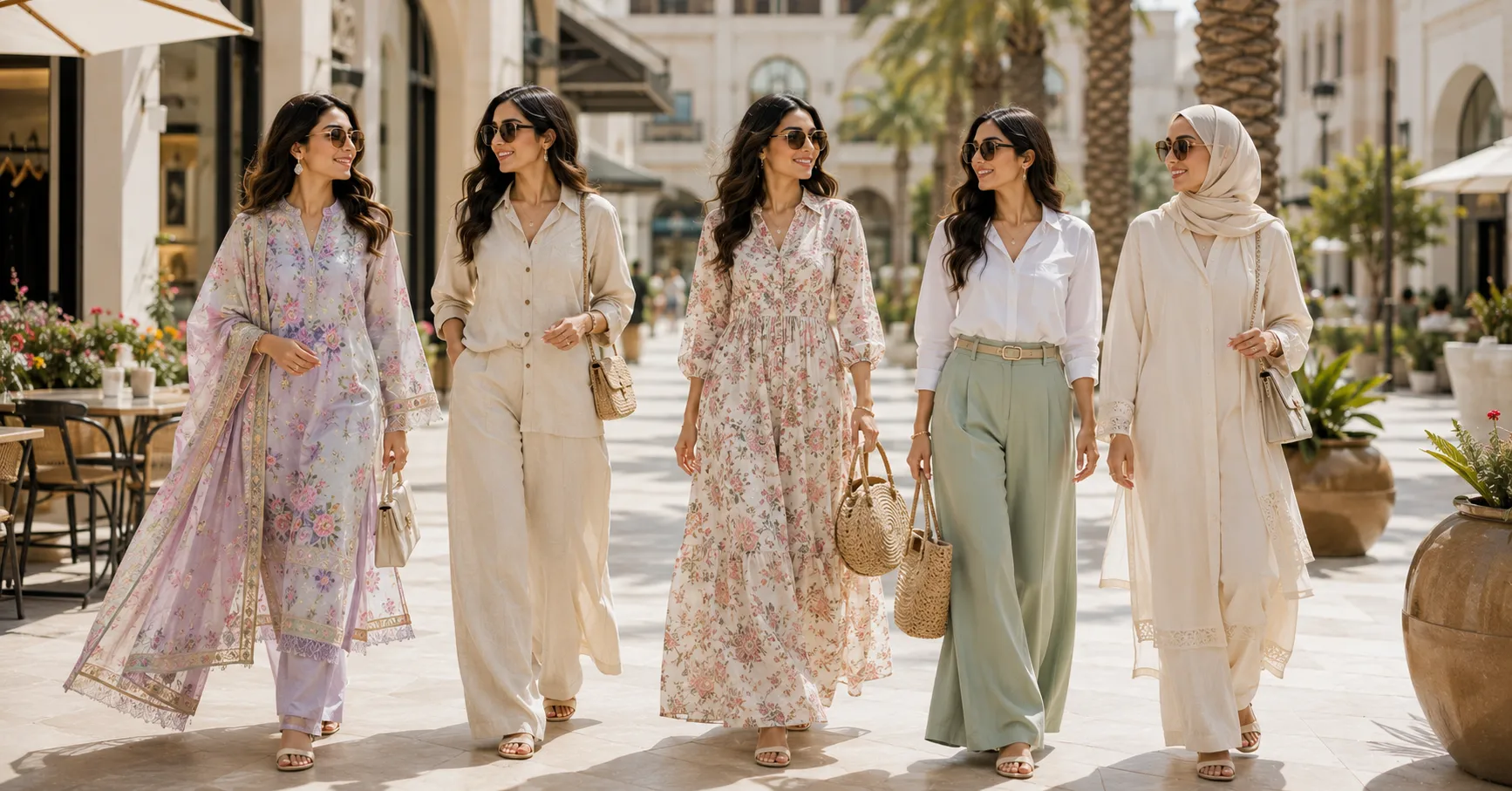
Summer is the season of sunshine, vacations, outdoor adventures, and longer days. However, rising temperatures and humidity can quickly make even the most stylish outfit feel uncomfortable if it is made from the wrong fabric. Choosing breathable, lightweight materials is one of the easiest ways to stay cool while looking fashionable.
Many people spend time choosing clothing based on color, style, or brand, but overlook one of the most important factors—fabric. The material of your clothing determines how well your body regulates temperature, absorbs sweat, and stays comfortable throughout the day.
Whether you are dressing for work, travelling, attending social events, or simply relaxing outdoors, selecting the right fabric can significantly improve your comfort during hot weather.
In this comprehensive guide, you will discover the best summer fabrics for hot weather, understand how each fabric performs, learn which materials to avoid, and receive practical tips for building a summer wardrobe that is both stylish and functional.
If you have ever wondered why some clothes keep you cool while others feel sticky and uncomfortable, this guide will provide all the answers.
Table of Contents
Table of Contents
- Why Fabric Matters During Summer
- Characteristics of a Good Summer Fabric
- Linen – The King of Summer Fabrics
- Cotton – The Everyday Favorite
- Bamboo Fabric – Sustainable Comfort
- Rayon – Lightweight and Stylish
- Chambray – Denim’s Summer Alternative
- Seersucker – Classic Summer Fabric
- Hemp Fabric – Natural and Durable
- Fabrics You Should Avoid During Summer
- Choosing the Right Fabric for Different Activities
- Summer Fabric Care Tips
- Frequently Asked Questions
- Final Thoughts
Why Fabric Matters During Summer
Many people believe that wearing fewer clothes is enough to stay cool during summer. While lighter clothing certainly helps, the type of fabric has an even greater impact on how comfortable you feel throughout the day.
Your body naturally produces heat and sweat to regulate its temperature. If your clothing cannot release this heat or absorb moisture efficiently, you may experience discomfort, excessive sweating, skin irritation, and even overheating.
High-quality summer fabrics provide several important benefits:
- Better air circulation
- Faster moisture absorption
- Quicker drying time
- Reduced skin irritation
- Improved comfort
- Better odor control
- Greater flexibility for outdoor activities
The wrong fabric, on the other hand, traps heat close to your body. This creates a warm, sticky feeling that becomes even worse in humid weather.
This is why professional stylists and clothing experts always recommend paying attention to fabric labels before purchasing summer clothing.
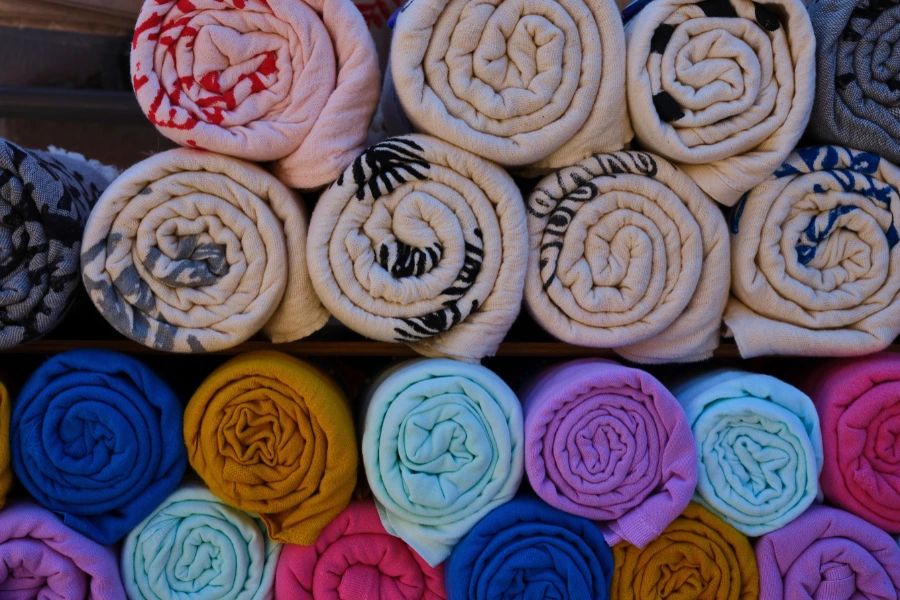
What Makes a Fabric Perfect for Summer?
Not every lightweight material performs well in hot weather. The best summer fabrics share several important characteristics that help keep your body cool and comfortable throughout the day.
Breathability
Breathability refers to how easily air can pass through a fabric. Materials with open weaves allow fresh air to circulate, helping your body release heat naturally.
Breathable fabrics reduce sweating and make clothing feel much lighter, even during extremely hot days.
Moisture Absorption
Sweating is the body’s natural cooling system. Good summer fabrics absorb moisture away from the skin instead of trapping it.
This process keeps your body drier and reduces discomfort.
Quick Drying
After absorbing moisture, quality summer fabrics should also dry quickly.
Fast-drying materials prevent clothing from remaining wet for long periods, reducing the risk of irritation and unpleasant odors.
Lightweight Construction
Heavy fabrics place additional weight on the body and trap more heat.
Lightweight materials allow greater freedom of movement while improving airflow.
Soft Texture
Comfort is just as important as cooling.
Soft fabrics reduce friction and help prevent skin irritation, making them ideal for long summer days.
Linen – The Best Fabric for Hot Weather
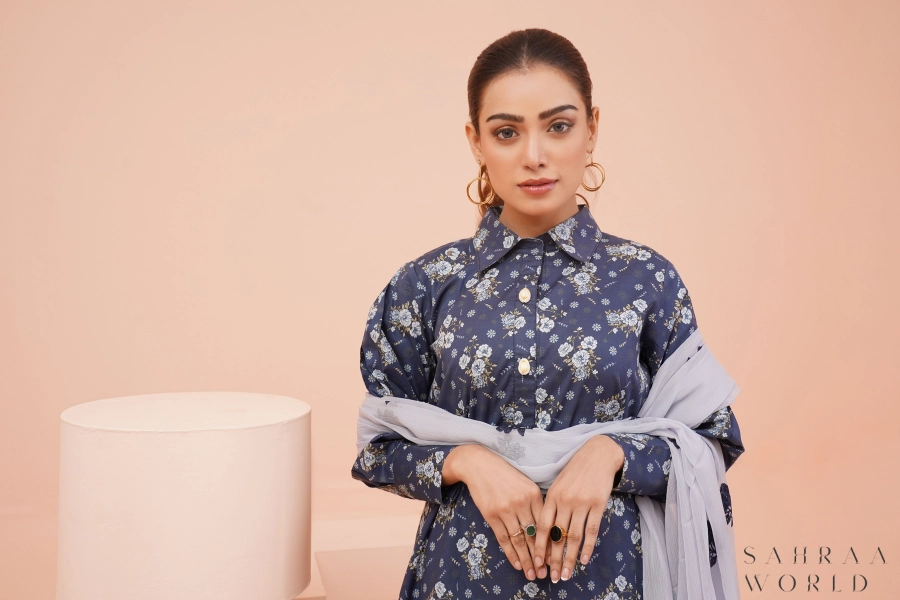
Linen has earned its reputation as the best summer fabric for centuries. Made from the fibers of the flax plant, linen is one of the oldest natural textiles still widely used today.
Its loose weave allows excellent airflow, making it exceptionally breathable. Unlike synthetic materials that trap heat, linen helps release body heat while allowing fresh air to circulate.
One of linen’s biggest advantages is its ability to absorb moisture without feeling wet. This makes it ideal for humid climates where excessive sweating is common.
Linen is also naturally antibacterial and dries much faster than many other fabrics.
Advantages of Linen
- Exceptional breathability
- Excellent moisture absorption
- Natural cooling effect
- Eco-friendly production
- Long lifespan
- Softens after every wash
- Stylish premium appearance
Best Linen Clothing
- Shirts
- Dresses
- Wide-leg trousers
- Shorts
- Blazers
- Two-piece summer sets
Styling Tip
Neutral-colored linen clothing such as white, beige, olive, and sky blue reflects sunlight better than dark colors while creating an elegant summer look.
Cotton – The Most Popular Everyday Summer Fabric
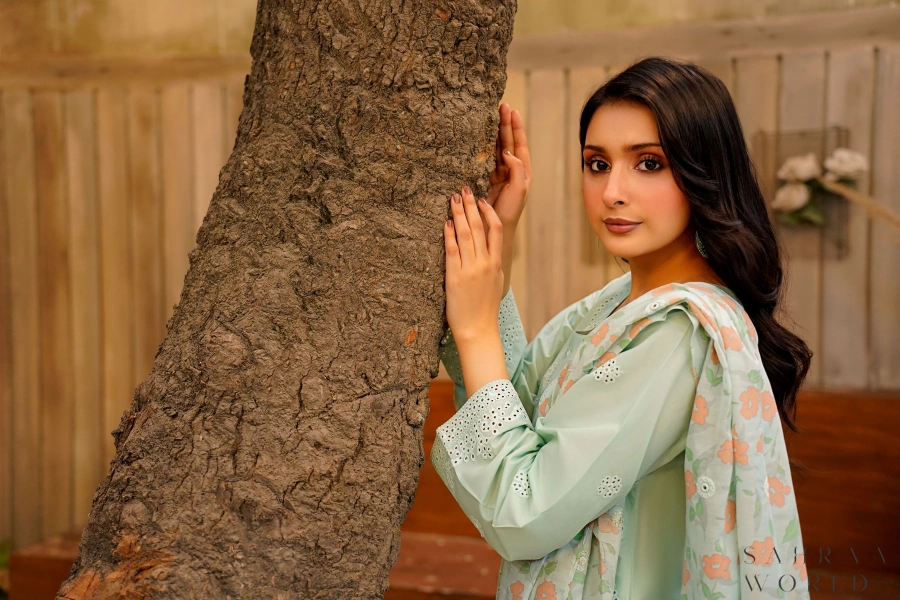
Cotton has been one of the world’s most trusted fabrics for generations, and for good reason. It is soft, breathable, durable, and comfortable, making it one of the best fabrics for everyday summer wear.
Unlike synthetic materials, cotton allows air to circulate freely around your body. This natural airflow helps regulate body temperature and reduces discomfort during hot days.
Cotton is also highly absorbent. It quickly absorbs sweat from the skin, making it an excellent choice for people who spend time outdoors or live in warm climates. Although cotton may take slightly longer to dry than linen, its softness and affordability make it one of the most widely used summer fabrics.
Cotton – The Everyday Favorite
Modern fashion brands also blend cotton with other natural fibers to improve durability while maintaining comfort.
Advantages of Cotton
- Extremely soft against the skin
- Excellent breathability
- Affordable and widely available
- Suitable for sensitive skin
- Easy to wash and maintain
- Available in many styles and colors
Best Cotton Clothing
- T-shirts
- Polo shirts
- Casual shirts
- Dresses
- Pajamas
- Undergarments
- Children’s clothing
Styling Tip
Choose light-colored cotton clothing such as white, cream, sky blue, or light grey because these colors reflect sunlight better than darker shades and help you stay cooler.
Bamboo Fabric – The Eco-Friendly Summer Choice
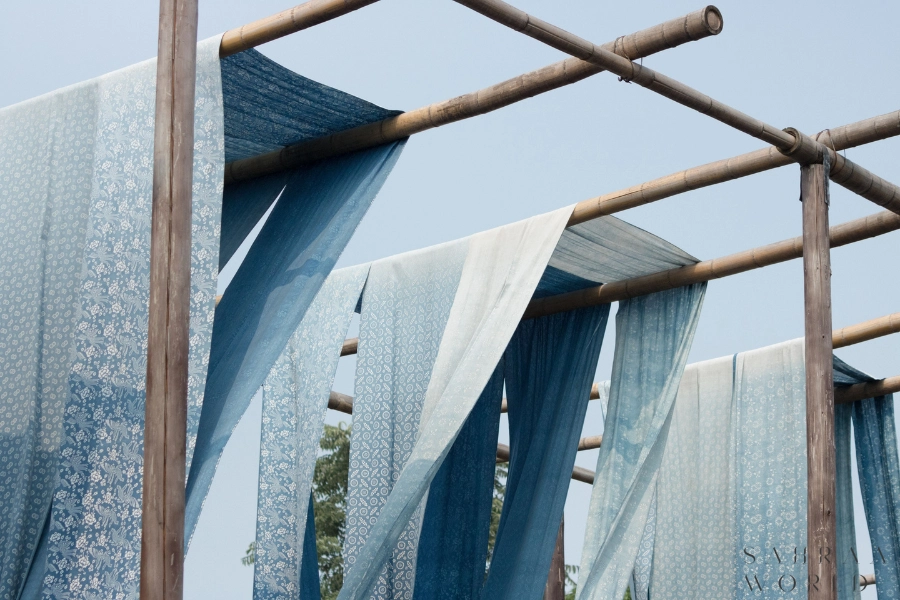
Bamboo fabric has become increasingly popular over the past few years due to its incredible softness and environmentally friendly production. Many people compare its feel to luxury fabrics because it is exceptionally smooth and comfortable.
One of bamboo fabric’s biggest advantages is its ability to regulate temperature naturally. It helps keep you cool during summer while remaining comfortable in slightly cooler weather.
Another reason bamboo fabric is growing in popularity is its moisture-wicking ability. Instead of trapping sweat against the skin, bamboo fibers move moisture away from the body, helping clothing dry faster.
Many bamboo fabrics also resist odors naturally, making them ideal for travel and long summer days.
Advantages of Bamboo Fabric
- Naturally breathable
- Moisture-wicking
- Soft texture
- Odor-resistant
- Environmentally friendly
- Comfortable for sensitive skin
Best Bamboo Clothing
- T-shirts
- Activewear
- Socks
- Underwear
- Sleepwear
- Casual tops
Rayon – Lightweight and Stylish
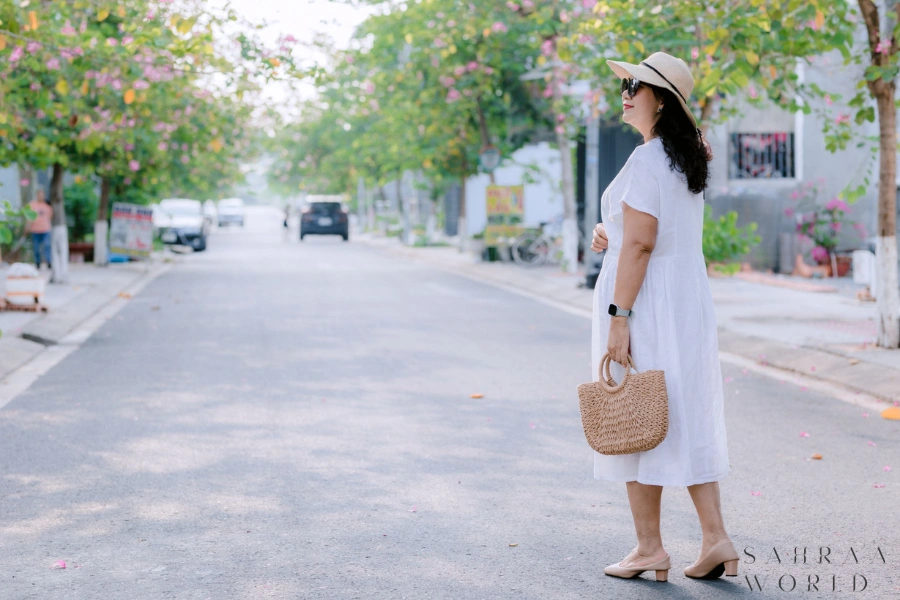
Rayon is a semi-synthetic fabric made from natural cellulose fibers. It has become one of the most popular choices for fashionable summer clothing because it combines softness with an elegant drape.
Rayon feels cool against the skin and creates flowing garments that move naturally. This makes it particularly popular for dresses, skirts, blouses, and relaxed trousers.
Although rayon absorbs moisture well, it becomes weaker when wet. Proper washing and drying help maintain its quality.
Advantages of Rayon
- Lightweight
- Soft feel
- Excellent drape
- Comfortable in warm weather
- Stylish appearance
Best Rayon Clothing
- Maxi dresses
- Blouses
- Summer skirts
- Loose trousers
- Women’s tops
Chambray – The Smart Alternative to Denim
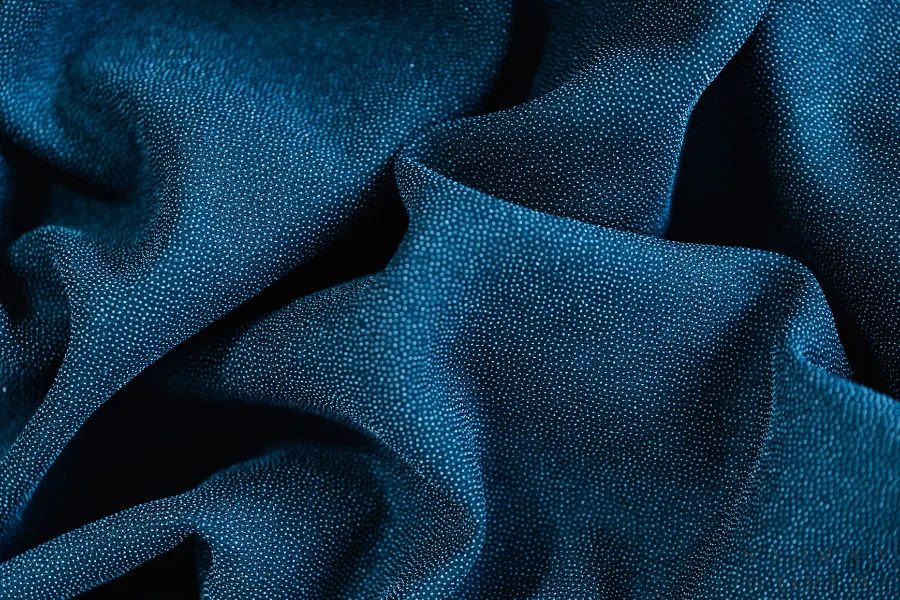
Many people love the appearance of denim but avoid wearing it during summer because it feels heavy and traps heat.
Chambray offers the perfect solution.
Although chambray looks similar to denim, it is woven differently and is much lighter. This makes it suitable for warm weather while maintaining a classic casual appearance.
Chambray shirts can be paired with shorts, chinos, or lightweight trousers for a timeless summer outfit.
Advantages of Chambray
- Lightweight
- Stylish appearance
- Comfortable
- Easy to match with other clothing
- Durable
Best Chambray Clothing
- Button-up shirts
- Casual dresses
- Lightweight jackets
- Shorts
Seersucker – A Classic Summer Favorite
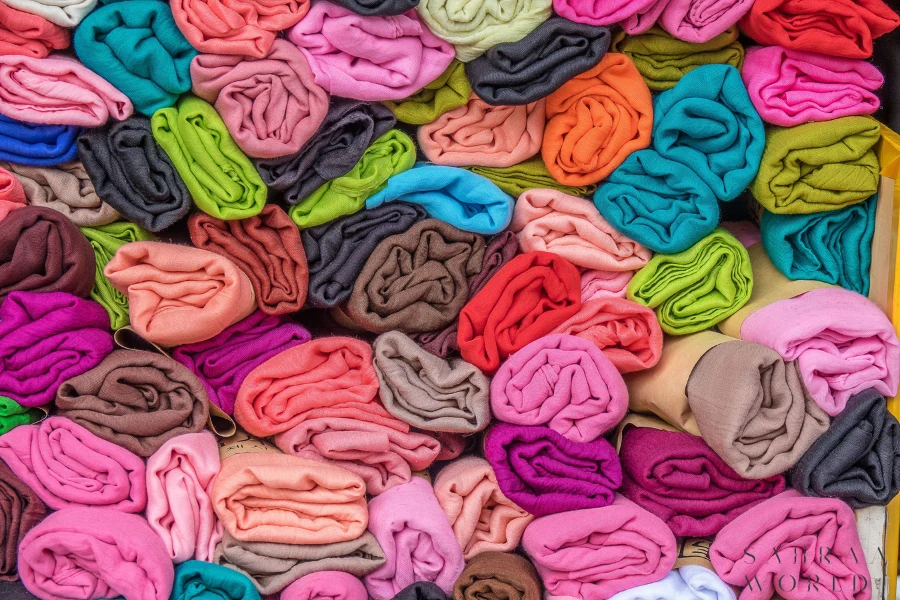
Seersucker is easily recognized by its unique puckered texture. This texture creates tiny spaces between the fabric and your skin, allowing more air to circulate.
Because the fabric does not sit flat against the body, it helps reduce heat buildup and improves comfort during hot weather.
Seersucker is commonly used for:
- Summer suits
- Shirts
- Shorts
- Dresses
It is especially popular for smart casual occasions.
Advantages of Seersucker
- Excellent airflow
- Wrinkle-resistant appearance
- Comfortable
- Lightweight
- Stylish
Hemp Fabric – Strong, Natural, and Breathable
Hemp is one of the oldest natural fibers used in clothing. It is becoming increasingly popular again because it is sustainable, durable, and highly breathable.
Modern hemp fabrics are much softer than traditional versions and become even softer after repeated washing.
Hemp naturally resists bacteria, making it an excellent choice for warm climates.
Advantages of Hemp
- Extremely durable
- Eco-friendly
- Breathable
- Moisture absorbent
- Long-lasting
Best Hemp Clothing
- Shirts
- Trousers
- Jackets
- Casual dresses
- Shorts
Linen vs Cotton: Which Fabric Is Better?
Many shoppers wonder whether linen or cotton is the better choice for summer.
The answer depends on your needs.
Choose Linen if you want:
- Maximum breathability
- Luxury appearance
- Fast drying
- Vacation clothing
- Premium summer outfits
Choose Cotton if you want:
- Everyday comfort
- Affordable clothing
- Easy maintenance
- Softness
- Casual wear
For most people, having both fabrics in their wardrobe and in capsule wardrobe is the best solution.
Best Fabrics for Different Summer Activities
Choosing the right fabric also depends on what you are doing.
Office Wear
- Linen shirts
- Cotton trousers
- Chambray shirts
Beach Vacation
- Linen
- Rayon
- Bamboo
Outdoor Sports
- Bamboo
- Moisture-wicking performance fabrics
Daily Casual Wear
- Cotton
- Linen blends
Evening Events
- Linen blazers
- Seersucker shirts
- Rayon dresses
Fabrics You Should Avoid During Hot Weather
Choosing the right fabric is only half the battle. Knowing which fabrics to avoid during summer is equally important. Some materials trap heat, hold moisture, and make you feel uncomfortable, especially in humid climates.
Polyester
Polyester is one of the most common synthetic fabrics, but it is not ideal for extremely hot weather.
Problems with polyester:
- Traps body heat
- Doesn’t breathe well
- Can make sweat feel trapped
- May cause discomfort during long outdoor activities
Some modern athletic polyester blends are designed to wick moisture, but everyday polyester clothing is generally less comfortable in high temperatures.
Heavy Denim
Denim is stylish but often too thick for summer.
Heavy denim:
- Restricts airflow
- Absorbs heat
- Feels heavy
- Dries slowly
Instead, choose chambray or lightweight denim if you want a similar look.
Thick Nylon
Nylon is strong and lightweight, but thick nylon fabrics can trap heat.
It is suitable for some sportswear but not for daily summer clothing.
Velvet and Wool
These fabrics are designed for cooler seasons.
Avoid them during summer because they:
- Retain heat
- Feel heavy
- Reduce airflow
How to Choose the Right Fabric for Your Climate
Not every summer feels the same. Dry heat and humid weather require different clothing choices.
For Humid Weather
Best choices:
- Linen
- Bamboo
- Cotton
- Rayon
These fabrics absorb moisture and allow airflow.
For Dry Heat
Choose:
- Linen
- Cotton
- Hemp
Loose-fitting clothes also help keep your body cooler.
For Coastal Areas
If you live near the sea where humidity is high, prioritize:
- Bamboo
- Linen
- Lightweight cotton
These fabrics help reduce that sticky feeling caused by humidity.
Best Summer Fabrics for Different Types of Clothing
Different garments benefit from different fabrics.
T-Shirts
Best fabrics:
- Cotton
- Bamboo
- Cotton blends
Shirts
Best fabrics:
- Linen
- Chambray
- Cotton
Dresses
Best fabrics:
- Rayon
- Linen
- Cotton
Trousers
Best fabrics:
- Linen
- Cotton
- Lightweight blends
Shorts
Best fabrics:
- Cotton
- Linen
- Hemp
Sleepwear
Choose:
- Bamboo
- Cotton
These fabrics help regulate body temperature while sleeping.
How to Care for Summer Fabrics
Good care extends the life of your clothing.
Wash in Cold Water
Hot water may shrink natural fabrics.
Cold water helps preserve color and shape.
Avoid Over-Drying
Too much heat in dryers can damage fibers.
Whenever possible:
- Air dry
- Dry in shade
Iron Carefully
Linen wrinkles naturally.
Instead of trying to remove every wrinkle, embrace its relaxed appearance.
Use medium heat when ironing cotton.
Store Properly
Store clean clothes in a dry place.
Avoid plastic bags for long-term storage because they trap moisture.
Common Summer Clothing Mistakes
Many people unknowingly make these mistakes.
Wearing Tight Clothing
Tight clothes reduce airflow.
Loose-fitting garments help your body cool naturally.
Wearing Dark Colors All Day
Black and dark navy absorb more sunlight.
Choose lighter shades like:
- White
- Beige
- Cream
- Sky blue
- Light green
Ignoring Fabric Labels
Before buying clothes, always read the fabric label.
Natural fibers generally perform better in hot weather than synthetic materials.
Choosing Style Over Comfort
Fashion should never come at the cost of comfort.
The best summer outfits balance both.
Buying Guide: What to Look for Before Purchasing Summer Clothes
Before buying any summer clothing, ask yourself these questions:
✔ Is the fabric breathable?
✔ Is it lightweight?
✔ Does it absorb moisture?
✔ Will it be comfortable after several hours?
✔ Is the fit relaxed?
✔ Is it easy to wash?
✔ Can it be paired with multiple outfits?
Making thoughtful purchases saves money and creates a more versatile wardrobe.
Frequently Asked Questions (FAQ)
Which fabric is the coolest to wear in summer?
Linen is generally considered the coolest fabric because it offers exceptional breathability, dries quickly, and allows excellent airflow.
Is cotton better than polyester for hot weather?
Yes. Cotton is naturally breathable and absorbs moisture, making it much more comfortable than standard polyester during hot weather.
What is the best fabric for humid weather?
Linen, bamboo, and lightweight cotton are among the best choices because they help manage moisture while allowing airflow.
Does fabric color matter in summer?
Yes. Light colors reflect sunlight better than dark colors, helping you stay cooler outdoors.
Is bamboo fabric good for sensitive skin?
Yes. Bamboo fabric is soft and often a comfortable option for people with sensitive skin.
Which fabric wrinkles the most?
Linen wrinkles more easily than most fabrics. However, many people appreciate its natural, relaxed appearance.
Is rayon a natural fabric?
Rayon is a semi-synthetic fabric made from natural cellulose fibers. It is lightweight and comfortable but requires gentle care.
Can I wear denim during summer?
Yes, but choose lightweight denim or chambray instead of heavy denim.
Which fabric is best for travel?
Linen-cotton blends and bamboo fabrics are comfortable choices for warm-weather travel because they are breathable and lightweight.
How many linen shirts should I own?
For most people, two or three quality linen shirts in neutral colors are enough to create many different summer outfits.
Final Thoughts
Choosing the right fabric can completely change your summer experience. While stylish designs and trendy colors attract attention, the fabric touching your skin has the greatest impact on your comfort throughout the day.
Natural materials like linen, cotton, bamboo, hemp, rayon, chambray, and seersucker each offer unique advantages. The best choice depends on your climate, daily activities, and personal preferences.
Instead of filling your wardrobe with clothing that only looks fashionable, focus on breathable, lightweight pieces that help you stay cool while remaining stylish. A few well-made garments in high-quality fabrics are often more valuable than a closet full of uncomfortable clothes.
By understanding the strengths of different summer fabrics, you can make smarter buying decisions, improve your comfort, and build a wardrobe that works throughout the season.
Whether you’re heading to work, traveling, enjoying a beach holiday, or spending time outdoors, the right fabric will help you feel confident and comfortable all day long.
