Complete Guide to Fashion Colour Psychology
Table of Contents
Introduction
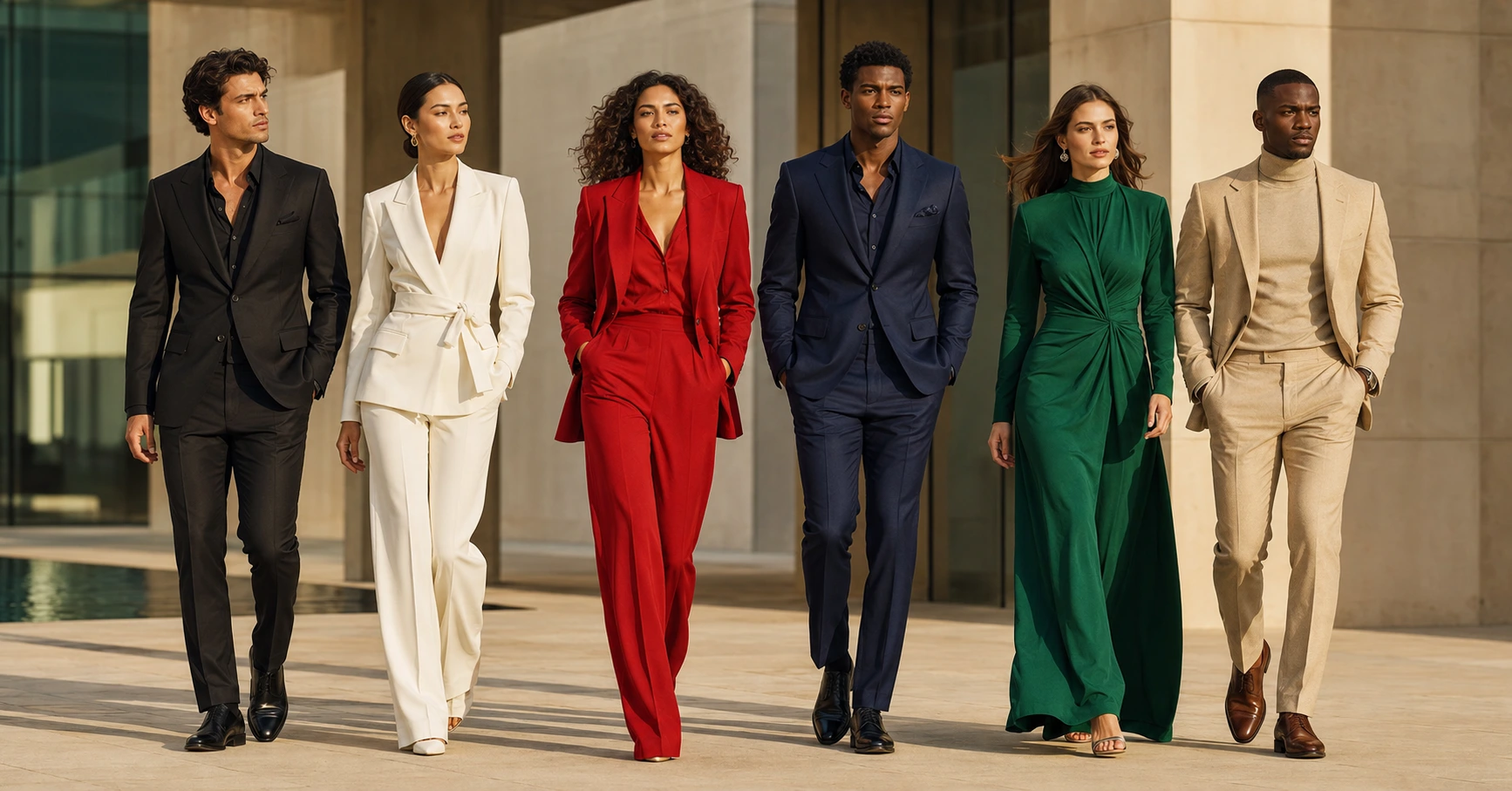
The psychology of colours in fashion goes far beyond personal style. Every colour you wear communicates emotions, personality, confidence, and intention, shaping first impressions before you even speak. Whether you’re dressing for work, a special occasion, or everyday life, understanding how colours influence perception can help you build a wardrobe that is both stylish and meaningful.
71Why Colour Matters in Fashion
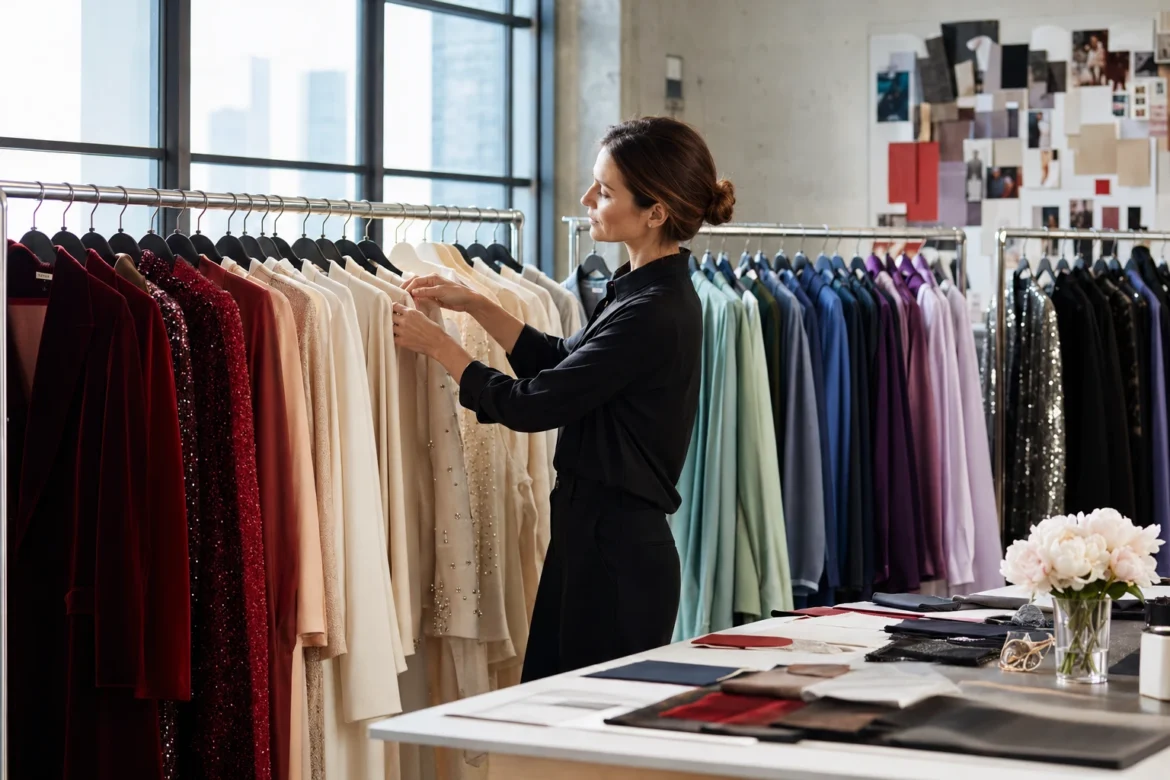
Long before someone notices the cut of your jacket or the brand of your shoes, they subconsciously respond to colour. Within seconds, your outfit can communicate confidence, trustworthiness, creativity, sophistication, or approachability—without a single conversation. Because colour is one of the first visual elements the human brain processes, it plays a powerful role in how others perceive you and how you feel about yourself.
However, no colour is universally “better” than another. Every shade tells a different story. Black often represents authority and elegance, blue conveys trust and calmness, red expresses passion and confidence, while green reflects balance and renewal. Even timeless neutrals such as beige, grey, and ivory can communicate refinement when styled thoughtfully.
Understanding these psychological associations helps you make more intentional fashion choices. Instead of selecting colours simply because they’re trending, you can choose shades that complement your personality, suit different occasions, and support the image you want to project.
In this comprehensive guide, you’ll discover what every major fashion colour represents, how colours shape first impressions, the best colours to wear for different occasions, seasonal colour strategies, common styling mistakes to avoid, and expert tips for building a versatile, confidence-boosting wardrobe. Whether you’re refreshing your closet, refining your personal style, or simply curious about the hidden language of colour, this guide will help you see fashion from an entirely new perspective.
Psychology of Colours in Fashion
The psychology of colour in fashion is the study of how clothing colours influence human emotions, behaviour, and perception. It explores the relationship between colour and psychology, helping us understand why certain shades evoke feelings of confidence, trust, excitement, calmness, or sophistication.
In fashion, colour serves two important purposes. First, it shapes how we perceive ourselves. Wearing colours we associate with confidence or positivity can improve our mood and influence our behaviour. This concept is closely related to enclothed cognition, a psychological theory suggesting that clothing—and the meanings we attach to it—can affect how we think, feel, and perform.
Second, colour influences how other people perceive us. Research in psychology and marketing has consistently shown that colour plays a significant role in forming first impressions. Before someone notices the details of an outfit, they often react instinctively to its colour palette. These subconscious reactions can influence perceptions of professionalism, friendliness, authority, creativity, or elegance.
For example:
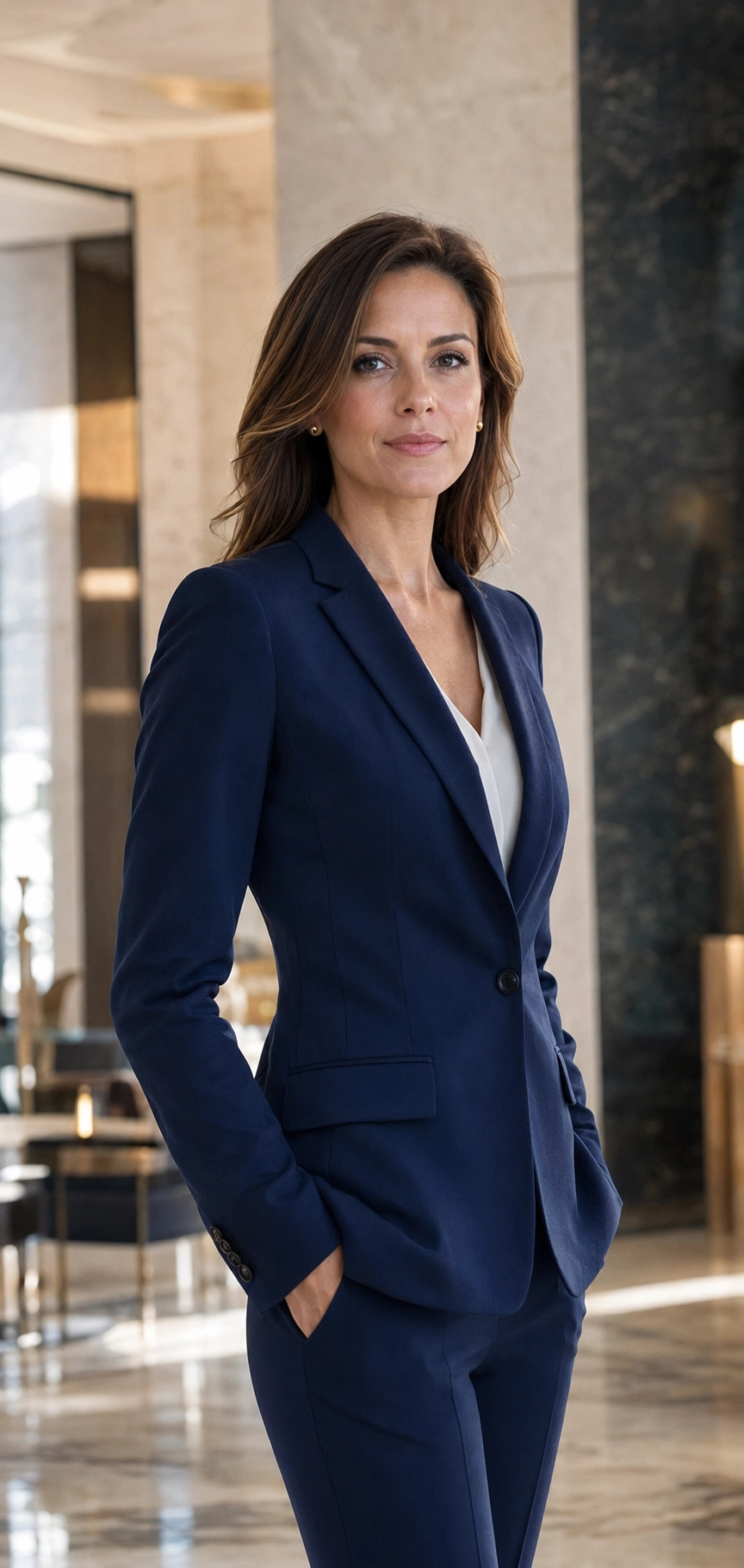
- A navy blue suit is often associated with reliability and professionalism.
- A black evening gown conveys sophistication and luxury.
- A vibrant red dress naturally draws attention and projects confidence.
- Soft pastel shades tend to create a warm, approachable impression.
These associations are shaped by a combination of biology, culture, personal experiences, and social influences. While interpretations can vary across different countries and traditions, many colour meanings remain surprisingly consistent around the world.
Fashion designers, luxury brands, marketers, and image consultants frequently use colour psychology when creating collections or developing brand identities. Think of the signature red soles of luxury shoes, the iconic Tiffany Blue packaging, or the elegant use of monochrome black in high-end fashion campaigns. These colour choices are carefully selected because they evoke specific emotional responses.
For individuals, understanding colour psychology offers practical benefits. It helps you dress with intention rather than guesswork. Instead of simply asking, “Does this outfit look good?” you begin asking, “What message does this outfit communicate?”
That subtle shift transforms fashion from a collection of clothes into a powerful form of personal expression.
Psychology of Colours in Fashion: Colour Meanings
Imagine meeting two professionals for the first time.
One is dressed in a crisp navy blazer with a white shirt, while the other wears a bright neon yellow jacket. Even before they introduce themselves, your mind has likely formed assumptions about each person’s personality, confidence, and professionalism.
This happens because the human brain processes visual information incredibly quickly. Colour is one of the first elements we notice, often before facial expressions or spoken words. These rapid judgments are part of our natural cognitive processes and have evolved over thousands of years.
In fashion, this means colour has the power to influence first impressions in ways many people never consciously realise.
70Colours Influence Emotions
Colours don’t just affect the people around you—they also influence your own emotions.
Have you ever noticed that:
- Wearing black makes you feel more confident?
- Bright colours boost your mood on gloomy days?
- Soft neutral tones help you feel calm and relaxed?
This isn’t merely coincidence. Colours can shape emotional experiences by triggering psychological associations built through culture, memory, and personal experiences.
For instance:
- Blue often promotes feelings of calmness and focus.
- Green is associated with nature, balance, and renewal.
- Yellow evokes optimism and energy.
- Red increases excitement and attracts attention.
When you intentionally choose colours that align with the mood you want to create, your wardrobe becomes a powerful tool for self-expression and confidence.
69Colours Influence Behaviour
Colour also affects behaviour in subtle ways.
People often report feeling more assertive when wearing darker, structured outfits for important meetings. Likewise, softer tones can encourage openness during casual social interactions.
While colour alone doesn’t determine personality or success, it can reinforce the mindset you wish to project. Many professionals develop a personal colour palette for precisely this reason, choosing shades that support their goals in different situations.
68Colours Reflect Your Personal Brand
Whether you realise it or not, your wardrobe contributes to your personal brand.
Think about iconic public figures. Many become associated with consistent colour palettes that reinforce their identity. Likewise, luxury fashion houses carefully select colours that align with their brand image, creating strong visual recognition over time.
By understanding colour psychology, you can build a wardrobe that reflects who you are and how you want others to remember you.
Psychology of Colours in Fashion and First Impressions
People often say, “Don’t judge a book by its cover.” Yet psychological research suggests that first impressions form within seconds, and clothing colour plays an important role in that process.
Before someone notices the quality of your tailoring or the details of your accessories, they subconsciously respond to your colour choices. This doesn’t mean colour alone determines how people see you, but it can significantly shape initial perceptions.
67Confidence
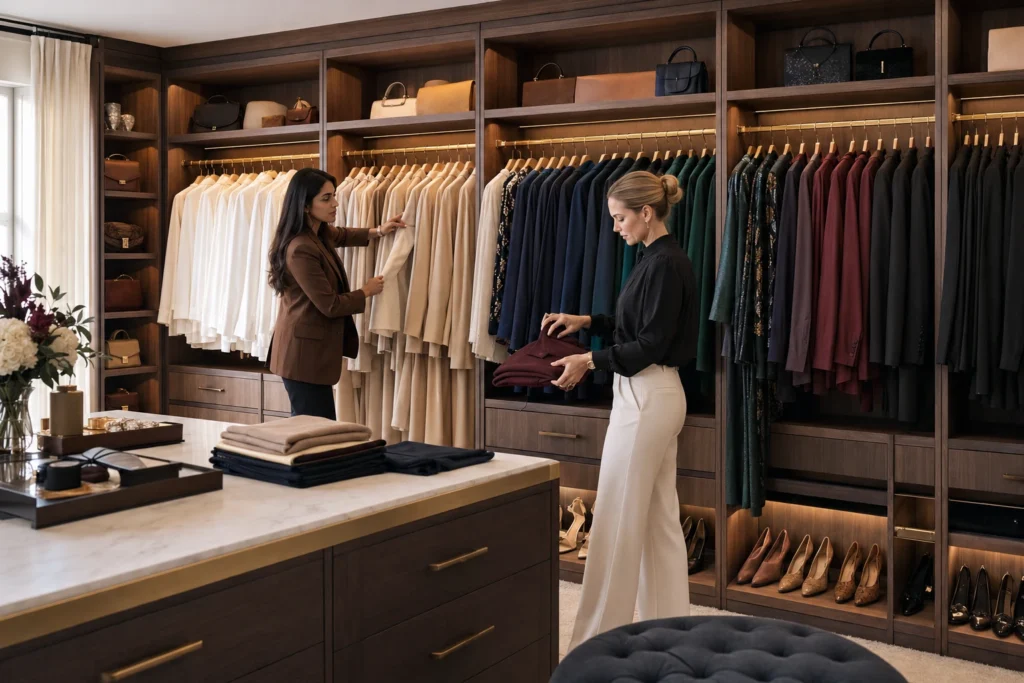
Deep, saturated colours such as navy blue, black, burgundy, and emerald green are commonly associated with confidence and authority. These colours project stability and self-assurance without appearing overly aggressive.
Professionals often rely on these shades for presentations, leadership roles, and important meetings because they communicate competence and composure.
66Trust
Blue consistently ranks among the world’s most trusted colours. Banks, airlines, healthcare providers, and technology companies frequently incorporate blue into their branding because it evokes reliability, intelligence, and dependability.
Similarly, wearing blue clothing can create a reassuring impression during interviews, networking events, or client meetings.
65Approachability
Soft neutral shades such as cream, beige, light grey, and pastel colours often make people appear warm, approachable, and friendly. These colours work particularly well in relaxed social settings where comfort and openness are valued.
64Creativity
Brighter colours—including orange, turquoise, purple, and coral—are often associated with imagination, innovation, and artistic thinking.
Professionals working in design, marketing, fashion, and creative industries frequently incorporate these colours to express originality while maintaining a polished appearance.
63Luxury
Luxury fashion isn’t always about logos or expensive fabrics. Colour plays an equally important role.
Black, ivory, camel, deep burgundy, emerald green, and rich chocolate brown have long been associated with sophistication and timeless elegance. These shades often appear in premium fashion collections because they communicate refinement without excessive ornamentation.
62Energy
Bright colours naturally attract attention. Red, orange, and vibrant yellow create a sense of enthusiasm and movement, making them excellent choices when you want to stand out or inject personality into an outfit.
However, balance is essential. Too many highly saturated colours in one outfit can overwhelm the eye, while thoughtful combinations create harmony and visual interest.
Black: The Colour of Power, Elegance, and Timeless Style
Psychology of colours in fashion explains why black continues to symbolize confidence, sophistication, and authority across cultures. Few colours have shaped fashion as profoundly as black. Universally admired for its versatility and sophistication, black remains one of the most influential colours in every wardrobe.
Whether it’s a tailored suit, a classic evening dress, a leather jacket, or a minimalist handbag, black consistently communicates confidence, refinement, and authority.
61What Does Black Symbolise?
Black is commonly associated with:
- Power
- Authority
- Sophistication
- Luxury
- Mystery
- Confidence
- Timeless elegance
Because of these associations, black has become the foundation of countless iconic fashion moments.
60Why Black Never Goes Out of Style
Unlike seasonal colour trends, black remains relevant year after year. Its versatility allows it to transition effortlessly from casual outfits to formal occasions, making it one of the smartest long-term wardrobe investments.
Black also complements virtually every other colour, making outfit coordination remarkably simple.
59When to Wear Black
Black works particularly well for:
- Business meetings
- Evening events
- Luxury occasions
- Formal dinners
- Fashion events
- Professional presentations
While black is incredibly versatile, incorporating texture, accessories, or subtle colour accents can prevent monochromatic outfits from feeling too heavy, especially during warmer seasons.
White: The Colour of Simplicity, Freshness, and Modern Elegance
If black represents authority, white represents clarity.
White has long symbolised purity, sophistication, and effortless style. It reflects light beautifully, creating a fresh and polished appearance that feels equally at home in minimalist wardrobes and luxury fashion collections.
From crisp white shirts to flowing summer dresses and tailored linen suits, white communicates confidence without demanding attention.
58What Does White Symbolise?
White is commonly associated with:
- Cleanliness
- Simplicity
- Fresh beginnings
- Peace
- Modern elegance
- Transparency
- Confidence
Its timeless appeal makes it one of the most versatile colours in fashion, especially during spring and summer when lighter palettes naturally complement the season.
Red: The Colour of Passion, Confidence, and Bold Expression
Few colours command attention quite like red. It is one of the most emotionally powerful colours in fashion, symbolising confidence, passion, strength, and determination. Whether it’s a tailored blazer, an elegant evening gown, a silk tie, or a pair of statement heels, red naturally becomes the focal point of an outfit.
Psychologically, red stimulates excitement and energy. It has been associated with courage, leadership, and attraction across many cultures, making it a popular choice for occasions where making a memorable impression matters.
57What Does Red Symbolise?
Red is commonly associated with:
- Passion
- Confidence
- Energy
- Love
- Strength
- Determination
- Excitement
Because of its intensity, red immediately attracts the eye. It communicates boldness and enthusiasm while suggesting that the wearer is comfortable standing out.
56When Should You Wear Red?
Red works exceptionally well for:
- First dates
- Evening parties
- Celebrations
- Public speaking
- Fashion events
- Holiday occasions
- Valentine’s Day
A deep burgundy or wine-red outfit offers a more refined and luxurious appearance, while brighter scarlet shades create a youthful, energetic look.
55Styling Tips
For a balanced outfit:
- Pair red with black for timeless elegance.
- Combine red with white for a clean, modern contrast.
- Wear burgundy with camel or beige for understated luxury.
- Use red accessories to add personality without overwhelming your outfit.
Avoid wearing multiple highly saturated red pieces together unless you’re intentionally creating a dramatic fashion statement.
Blue: The Colour of Trust, Intelligence, and Calm Confidence
Among all colours, blue plays a significant role in the psychology of colours in fashion because it represents trust, calmness, and professionalism. Blue consistently ranks among the world’s favourite colours, and for good reason. It represents reliability, intelligence, stability, and calmness, making it one of the safest and most versatile colours in fashion.
Unlike more dramatic shades, blue communicates quiet confidence rather than demanding attention. It is widely used in professional wardrobes because it conveys competence without appearing intimidating.
54What Does Blue Symbolise?
Blue is associated with:
- Trust
- Professionalism
- Intelligence
- Calmness
- Loyalty
- Stability
- Confidence
These qualities explain why blue dominates corporate branding, uniforms, and professional attire around the world.
53Best Occasions to Wear Blue
Blue is ideal for:
- Job interviews
- Business meetings
- Conferences
- Networking events
- Smart casual outfits
- Everyday wear
- Formal occasions
Navy blue remains one of the most universally flattering colours for both men and women because it complements almost every skin tone.
52Styling Tips
- Navy with white creates a timeless combination.
- Light blue works beautifully during spring and summer.
- Royal blue adds vibrancy without becoming overwhelming.
- Pair navy with camel for a sophisticated luxury-inspired outfit.
Green: The Colour of Balance, Growth, and Natural Sophistication
Psychology of colours in fashion also highlights green as a colour associated with balance, growth, and harmony. Green represents harmony, renewal, and nature. In fashion, it has evolved from being a seasonal colour to becoming a symbol of effortless elegance and sustainable style.
Luxury designers increasingly incorporate shades like emerald, olive, and sage because they feel both contemporary and timeless.
51What Does Green Symbolise?
Green represents:
- Balance
- Growth
- Freshness
- Prosperity
- Renewal
- Health
- Harmony
It often creates a calming effect while still feeling refined.
50Different Shades of Green
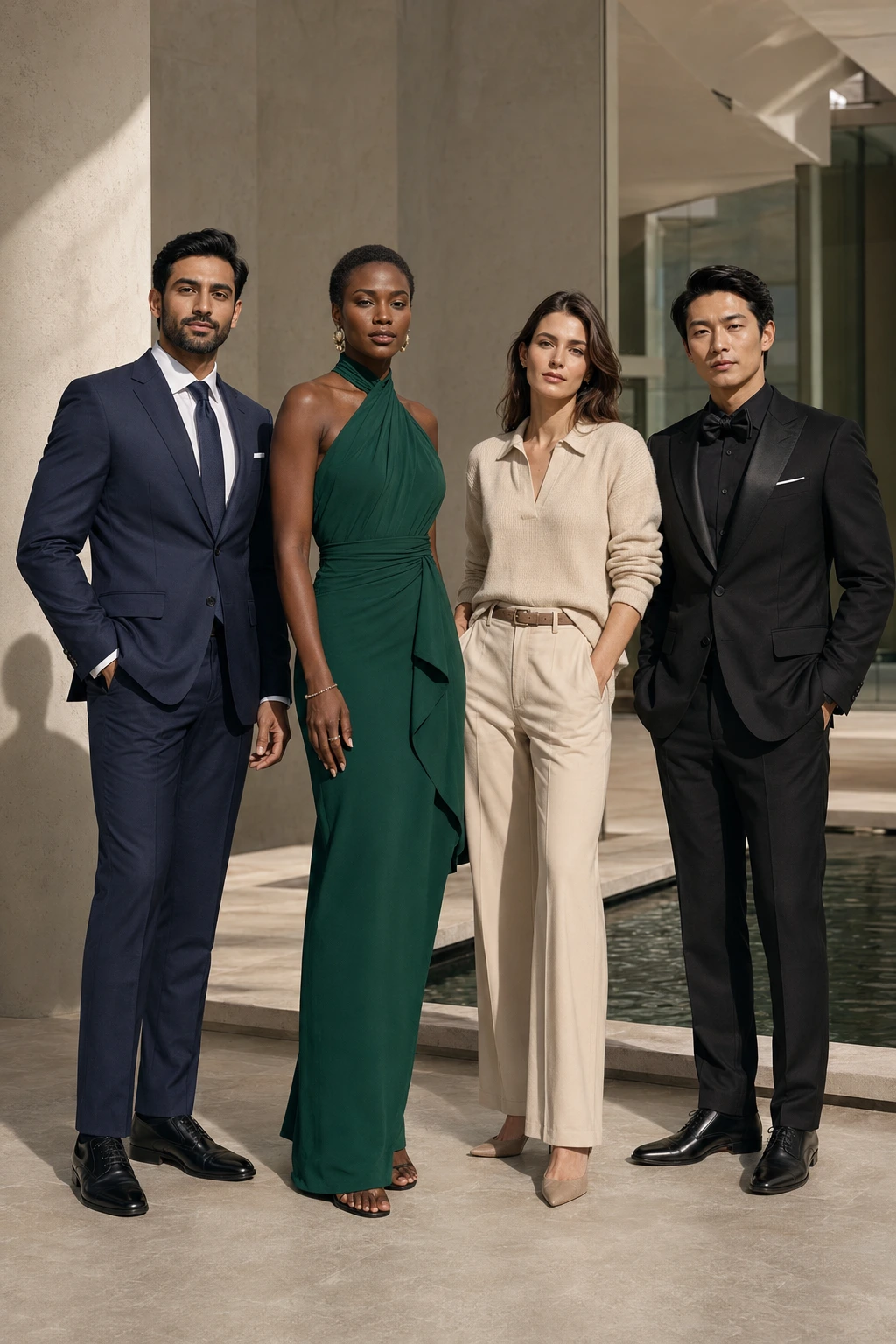
Emerald Green
Elegant and luxurious.
Perfect for:
- Evening gowns
- Wedding guest attire
- Luxury accessories
Olive Green
Sophisticated and versatile.
Ideal for:
- Jackets
- Chinos
- Utility fashion
- Autumn wardrobes
Sage Green
Soft, modern, and increasingly popular.
Works beautifully in:
- Ready-to-wear fashion
- Linen clothing
- Spring collections
- Minimalist wardrobes
Yellow: The Colour of Optimism and Happiness
Yellow instantly brightens an outfit. It is the colour of sunshine, positivity, and creativity.
However, because yellow naturally attracts attention, balance is essential. Small touches often create a stronger impression than wearing head-to-toe yellow.
49What Does Yellow Symbolise?
Yellow represents:
- Happiness
- Optimism
- Creativity
- Energy
- Positivity
- Warmth
It is particularly effective during spring and summer when vibrant colours feel natural.
48Styling Tips
- Pair mustard yellow with navy.
- Soft pastel yellow complements white beautifully.
- Use yellow accessories to brighten neutral outfits.
- Avoid neon yellow in formal business settings.
Orange: The Colour of Creativity and Adventure
Orange combines the excitement of red with the optimism of yellow, creating an energetic and adventurous personality.
It works particularly well for creative industries where individuality is celebrated.
47Orange Represents
- Creativity
- Confidence
- Enthusiasm
- Adventure
- Friendliness
- Innovation
Terracotta, rust, and burnt orange offer more sophisticated alternatives to bright orange.
Purple: The Colour of Luxury and Imagination
Historically, purple was associated with royalty because purple dyes were rare and expensive. Even today, purple continues to communicate elegance, creativity, and prestige.
46Purple Symbolises
- Luxury
- Wisdom
- Creativity
- Individuality
- Ambition
- Prestige
Deep plum shades feel luxurious, while lavender offers a softer, modern aesthetic.
Purple pairs beautifully with:
- Grey
- White
- Black
- Silver
Pink: The Colour of Warmth, Confidence, and Modern Sophistication
Pink has evolved dramatically in modern fashion. Once stereotyped as purely feminine, it is now embraced across menswear and womenswear alike.
Soft blush tones communicate elegance, while brighter pinks create playful confidence.
45Pink Represents
- Kindness
- Romance
- Warmth
- Compassion
- Confidence
- Modern style
Today’s fashion trends increasingly feature dusty rose, blush, salmon, and muted pinks because they feel refined rather than overly bold.
Brown: The Colour of Stability and Earthy Luxury
Brown is often underestimated, yet it has become one of luxury fashion’s most desirable colours.
Rich chocolate tones, camel coats, suede boots, and leather accessories all showcase brown’s timeless appeal.
44Brown Symbolises
- Stability
- Reliability
- Comfort
- Nature
- Warmth
- Authenticity
Brown pairs exceptionally well with:
- Cream
- White
- Olive
- Navy
- Burgundy
Grey: The Colour of Professionalism and Balance
Grey offers sophistication without the intensity of black.
It has become a staple in modern wardrobes because it adapts effortlessly to business, casual, and formal settings.
43Grey Represents
- Balance
- Maturity
- Intelligence
- Professionalism
- Neutrality
- Sophistication
Charcoal grey suits remain among the most versatile investment pieces anyone can own.
Beige and Camel: The Colours of Quiet Luxury
Few colours better represent the modern quiet luxury movement than beige and camel.
These understated neutrals communicate refinement through simplicity rather than boldness.
42Beige Represents
- Elegance
- Calmness
- Minimalism
- Sophistication
- Timeless style
Luxury brands frequently use beige because it allows exceptional tailoring and premium fabrics to take centre stage.
Gold: The Colour of Prestige and Celebration
Gold has symbolised wealth and success for centuries.
In fashion, it introduces glamour without sacrificing sophistication—especially when used thoughtfully.
41Gold Represents
- Success
- Luxury
- Celebration
- Achievement
- Confidence
Gold works particularly well in:
- Evening wear
- Jewellery
- Embellished accessories
- Formal footwear
Too much gold, however, can feel excessive. Subtle accents often create the strongest impression.
Silver: The Colour of Modern Elegance
Silver reflects innovation, sophistication, and futuristic style.
Unlike gold’s warmth, silver offers a cool, contemporary aesthetic that complements monochrome wardrobes beautifully.
40Silver Symbolises
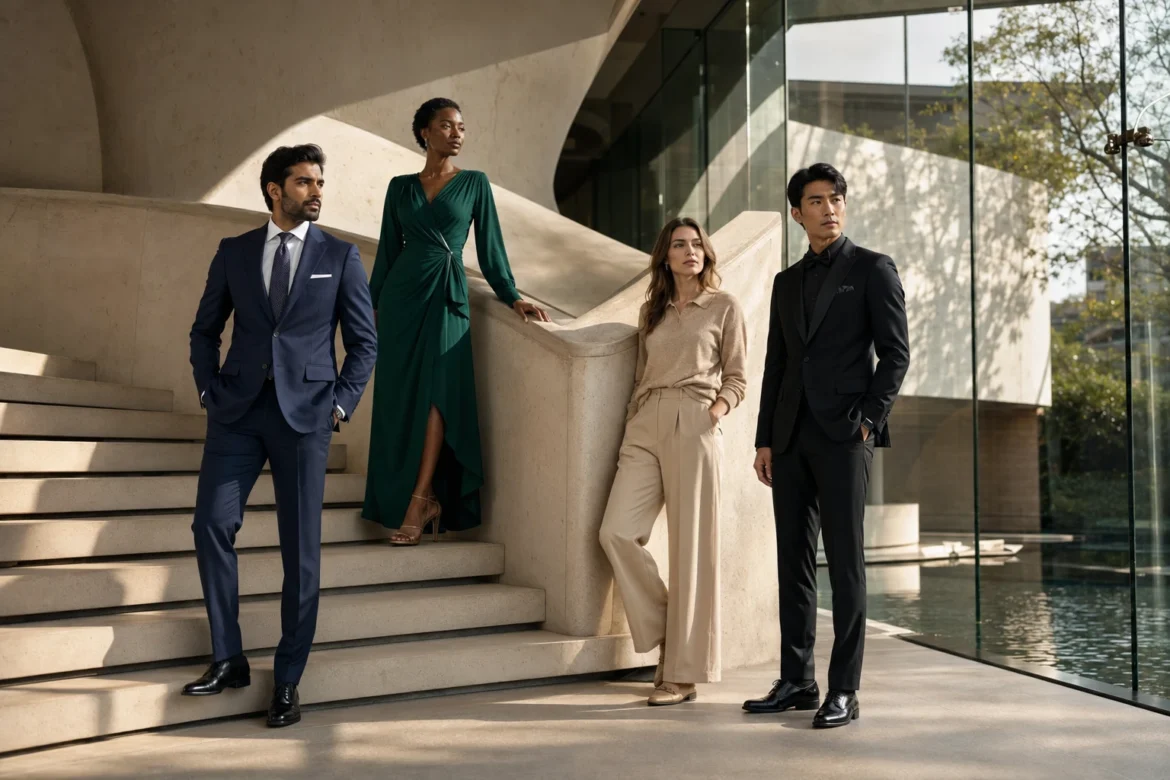
- Innovation
- Modernity
- Sophistication
- Precision
- Elegance
Silver accessories pair effortlessly with black, navy, white, and grey, making them a versatile addition to almost any wardrobe.
Quick Reference Table: What Every Fashion Colour Communicates
| Colour | Primary Meaning | Best For |
|---|---|---|
| Black | Power, elegance, authority | Formal events, business, luxury |
| White | Purity, simplicity, freshness | Summer, minimalism, smart casual |
| Red | Passion, confidence, energy | Dates, celebrations, evening wear |
| Blue | Trust, professionalism, calm | Interviews, office, business |
| Green | Balance, renewal, harmony | Smart casual, luxury, seasonal fashion |
| Yellow | Optimism, happiness | Spring, summer, casual styling |
| Orange | Creativity, enthusiasm | Creative industries, casual fashion |
| Purple | Luxury, imagination | Evening wear, statement outfits |
| Pink | Warmth, confidence | Smart casual, modern tailoring |
| Brown | Stability, comfort | Autumn, leather, luxury casual |
| Grey | Professionalism, balance | Office wear, formal tailoring |
| Beige/Camel | Quiet luxury, refinement | Capsule wardrobes, timeless style |
| Gold | Prestige, celebration | Jewellery, evening occasions |
| Silver | Modern elegance, innovation | Contemporary fashion, accessories |
Psychology of Colours in Fashion for Every Occasion
Understanding the psychology of colours in fashion helps you choose clothing that suits both the occasion and the impression you want to create. Choosing the right colour isn’t just about following fashion trends—it’s about matching your outfit to the occasion and the impression you want to create. While personal style should always come first, understanding how colours are perceived can help you dress more intentionally.
The table below offers a practical guide to selecting colours based on common situations.
| Occasion | Recommended Colours | Why They Work |
|---|---|---|
| Job Interview | Navy Blue, Charcoal Grey, White | Professional, trustworthy, confident |
| Business Meeting | Navy, Black, Grey | Authority and competence |
| Wedding Guest | Emerald Green, Burgundy, Dusty Blue, Lavender | Elegant without overshadowing the couple |
| First Date | Deep Red, Burgundy, Soft Pink, Navy | Confidence, warmth, approachability |
| Casual Weekend | Beige, White, Olive Green, Denim Blue | Relaxed and versatile |
| Summer Vacation | Coral, Sky Blue, Mint Green, White | Fresh, vibrant and seasonally appropriate |
| Evening Gala | Black, Gold, Emerald, Deep Purple | Luxury and sophistication |
| Networking Event | Navy, Soft Grey, Forest Green | Professional yet approachable |
| Creative Workplace | Teal, Rust, Mustard, Plum | Expresses individuality while remaining polished |
Tip from SahraaWorld
Instead of buying separate wardrobes for every occasion, build a collection of timeless neutral pieces and use colour through accessories, shirts, scarves, ties, handbags, or shoes. This approach creates versatility while keeping your wardrobe practical.
Psychology of Colours in Fashion: Men
Modern menswear has moved far beyond the traditional black, navy, and grey palette. Today’s man can use colour strategically to express confidence, personality, and professionalism without compromising sophistication.
39Business & Professional Settings
For offices and corporate environments, classic colours remain the safest investment.
Best choices include:
- Navy Blue
- Charcoal Grey
- White
- Light Blue
- Burgundy accents
These colours communicate competence, reliability, and leadership.
A navy suit with a crisp white shirt remains one of the strongest combinations for interviews, presentations, and executive meetings.
38Casual Everyday Style
Weekends allow for more personality.
Excellent colours include:
- Olive Green
- Beige
- Camel
- Sage Green
- Denim Blue
- Earth Browns
These shades create a relaxed, approachable appearance while maintaining refinement.
37Evening Wear
For dinners, weddings, or formal events:
Choose:
- Black
- Burgundy
- Emerald Green
- Midnight Blue
These colours photograph beautifully and naturally elevate formal tailoring.
36Sporty & Streetwear
If your style is more casual or street-inspired, colour becomes an opportunity to experiment.
Popular options include:
- Orange
- Bright Blue
- Forest Green
- Graphic Colour Blocking
Balance bold pieces with neutral basics to keep the outfit cohesive.
Psychology of Colours in Fashion: Women
Women’s fashion offers incredible flexibility when it comes to colour. From soft neutrals to vibrant statement shades, colour choices can dramatically change the mood of an outfit.
Rather than following seasonal trends blindly, consider what message you want your clothing to communicate.
35Office Wear
Professional wardrobes benefit from colours that inspire confidence without appearing overly formal.
Ideal choices include:
- Navy Blue
- Ivory
- Grey
- Soft Beige
- Dusty Rose
These colours feel modern while remaining appropriate for professional environments.
34Evening Events
Elegant evening wear often incorporates deeper, richer shades.
Popular options include:
- Emerald Green
- Black
- Burgundy
- Deep Purple
- Midnight Blue
Metallic accessories in gold or silver complete the look without overwhelming it.
33Casual Fashion
Relaxed outfits feel fresh with colours such as:
- Sage Green
- Blush Pink
- White
- Denim Blue
- Lavender
These softer palettes create effortless everyday elegance.
32Statement Dressing
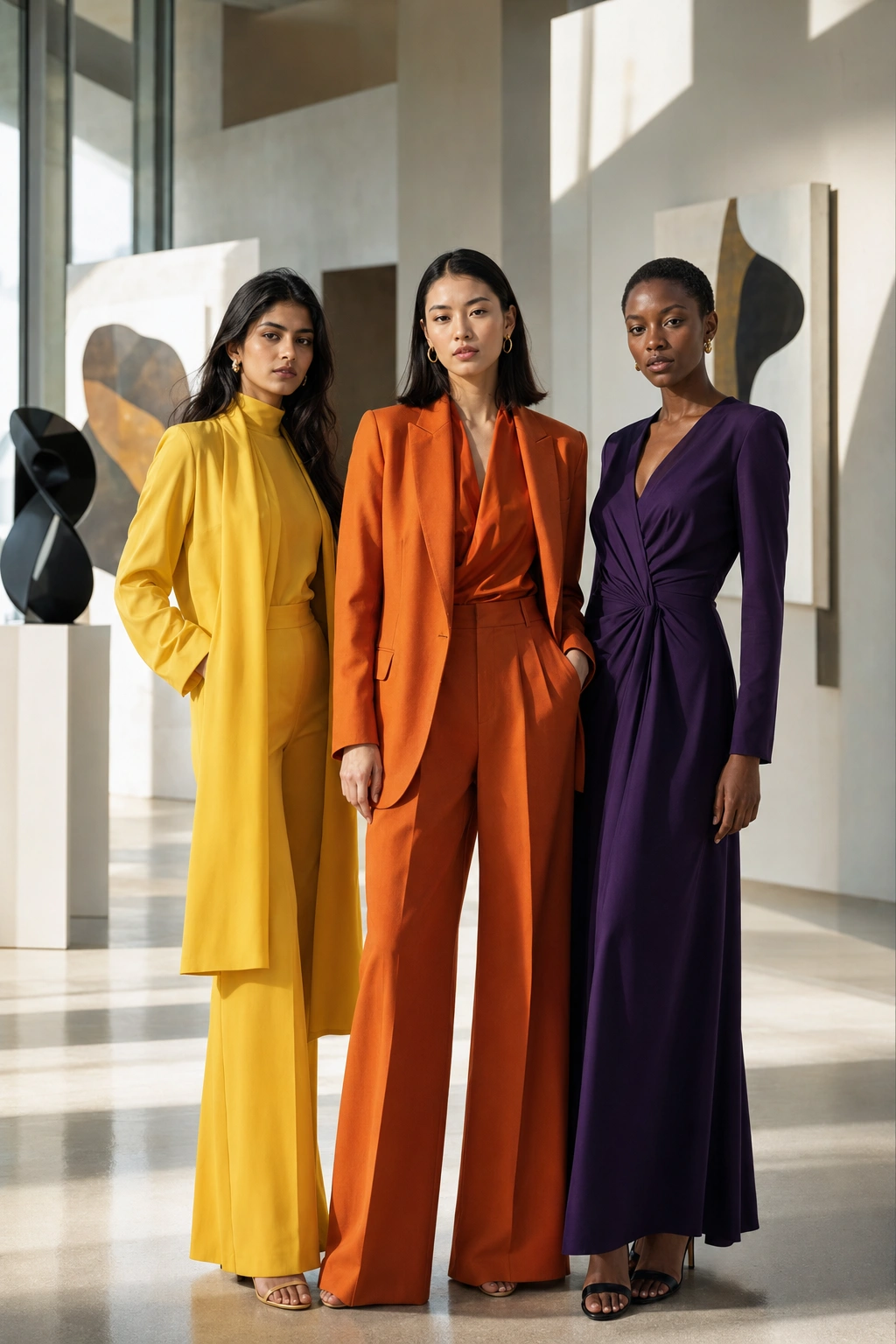
If your goal is to make an unforgettable impression, consider:
- Bright Red
- Royal Blue
- Fuchsia
- Cobalt
- Vibrant Orange
When wearing a bold colour, let it remain the star of the outfit by keeping accessories simple.
Seasonal Psychology of Colours in Fashion
Fashion naturally changes with the seasons, and colour plays a central role in that transformation.
Each season evokes different emotions, lighting conditions, and styling preferences.
31Spring
Spring symbolises renewal and optimism.
Popular colours include:
- Soft Pink
- Mint Green
- Lavender
- Butter Yellow
- Sky Blue
These colours feel fresh, youthful, and energetic.
30Summer
Summer encourages brighter, lighter palettes.
Excellent choices include:
- White
- Coral
- Aqua Blue
- Turquoise
- Lemon Yellow
Natural fabrics combined with bright colours create a relaxed holiday aesthetic.
29Autumn
Autumn embraces warmth and richness.
Key colours include:
- Rust
- Olive Green
- Camel
- Chocolate Brown
- Mustard
These earthy tones mirror the changing landscape while creating a sophisticated wardrobe.
28Winter
Winter fashion often centres around dramatic, luxurious shades.
Popular colours include:
- Black
- Burgundy
- Emerald
- Navy
- Charcoal Grey
Adding metallic accessories introduces elegance during festive occasions.
How Different Cultures Interpret Colours
Although many colour associations are universal, cultural traditions significantly influence how colours are perceived.
Understanding these differences is especially valuable in today’s global fashion industry.
27Black
In many Western cultures, black represents elegance and formality.
However, in some cultures it is also associated with mourning and remembrance.
Fashion has largely transformed black into one of the world’s most versatile luxury colours.
26White
Western fashion often associates white with:
- Weddings
- Purity
- Simplicity
- Fresh beginnings
In parts of Asia, however, white has historically been connected with mourning and remembrance.
Context therefore plays an important role when wearing white internationally.
25Red
Red carries remarkably positive symbolism across much of Asia.
It often represents:
- Prosperity
- Good fortune
- Celebration
- Happiness
This explains why red is frequently worn during weddings and festivals in countries such as China and India.
In Western fashion, red more commonly symbolises:
- Passion
- Romance
- Confidence
24Green
Green is widely associated with:
- Nature
- Growth
- Prosperity
- Sustainability
In many cultures, it also carries religious or historical significance, making it a colour that should be worn with awareness and respect in certain contexts.
23Gold
Across many societies, gold communicates:
- Success
- Wealth
- Achievement
- Celebration
Luxury fashion continues to use gold as a symbol of prestige because these associations are recognised almost universally.
Common Mistakes in Psychology of Colours in Fashion
Even beautifully designed clothing can lose its impact when colour is used without balance.
Here are some of the most common mistakes people make.
22Wearing Too Many Bold Colours
Combining several bright colours often creates visual confusion.
Instead:
Choose one statement colour and allow neutral pieces to support it.
21Ignoring Skin Tone
Certain shades naturally complement different complexions.
For example:
Warm undertones often look beautiful in:
- Olive
- Camel
- Mustard
- Coral
Cool undertones frequently suit:
- Navy
- Emerald
- Lavender
- Blue-based Red
Experimenting in natural light is one of the easiest ways to discover which colours flatter you most.
20Dressing Against the Occasion
A neon yellow blazer may look exciting at a music festival but could feel out of place in a formal boardroom.
Always consider:
- Environment
- Audience
- Dress code
- Purpose of the event
19Following Trends Instead of Personality
Fashion trends change every season.
Personal style lasts much longer.
Choose colours that genuinely make you feel confident rather than wearing a trending shade simply because it’s popular on social media.
Building a Wardrobe with the Psychology of Colours in Fashion
A thoughtfully planned wardrobe doesn’t require dozens of colours. Instead, it relies on a harmonious balance between timeless neutrals and carefully selected accent shades. Applying the psychology of colours in fashion when building your wardrobe makes it easier to create versatile and timeless outfits.
One of the easiest ways to achieve this is by following the 60–30–10 principle:
- 60% Neutral Base: Black, white, navy, grey, beige, or camel. These pieces form the foundation of your wardrobe and pair effortlessly with almost anything.
- 30% Secondary Colours: Add personality with shades such as olive green, burgundy, dusty blue, sage, or chocolate brown. These colours bring variety while remaining versatile.
- 10% Accent Colours: Introduce bold hues like red, cobalt blue, emerald, coral, or mustard through accessories, knitwear, handbags, ties, scarves, or statement pieces.
This balanced approach keeps your wardrobe cohesive, makes outfit planning easier, and ensures your clothing works across multiple occasions and seasons.
Expert Styling Tips from SahraaWorld
Colour becomes most effective when used with intention rather than by chance. Keep these practical principles in mind as you build your wardrobe:
- Invest in timeless neutral basics before buying trend-driven colours.
- Introduce bold shades gradually through accessories if you’re experimenting.
- Consider the occasion, season, and lighting when selecting colours.
- Pay attention to fabric texture, as colour can appear different on silk, linen, wool, or velvet.
- Repeat one accent colour subtly throughout an outfit for visual harmony.
- Don’t be afraid of colour—but let confidence, not trends, guide your choices.
- Above all, wear colours that make you feel comfortable and authentic. Confidence remains the most attractive element of any outfit.
Fashion stylists often recommend building a wardrobe around timeless neutral colours before introducing seasonal accent shades. This creates greater versatility and makes outfit coordination much easier.
Psychology of Colours in Fashion FAQs
18What Is the Psychology of Colours in Fashion?
Colour psychology in fashion is the study of how clothing colours influence emotions, behaviour, confidence, and the way others perceive us. Every colour carries psychological associations that can communicate professionalism, creativity, elegance, warmth, or authority. Choosing colours intentionally allows you to express your personality while creating the impression you want to make.
17Why are colours important in fashion?
Colours are often the first thing people notice about an outfit. They influence first impressions, highlight your personal style, complement your skin tone, and help communicate confidence, mood, and individuality. The right colour choices can also make your wardrobe more versatile and timeless.
16Which colour represents confidence?
Dark, rich shades are generally associated with confidence. The most popular colours include:
- Navy Blue
- Black
- Burgundy
- Emerald Green
- Charcoal Grey
These colours are widely used in professional and formal fashion because they project authority, stability, and self-assurance.
15What is the best colour to wear for a job interview?
Navy blue remains one of the best colours for job interviews because it conveys professionalism, reliability, and trust. Charcoal grey and crisp white are also excellent choices. Avoid overly bright or distracting colours unless you work in a highly creative industry.
14Which colour makes you look more attractive?
There is no universal answer, but deep red is frequently associated with confidence, romance, and attraction. Black is admired for its elegance, while emerald green and royal blue often create a sophisticated and memorable appearance. Ultimately, the most attractive colour is one that suits your complexion and makes you feel confident.
13What colour looks the most luxurious?
Luxury fashion often favours timeless, refined colours such as:
- Black
- Ivory
- Camel
- Burgundy
- Emerald Green
- Chocolate Brown
- Navy Blue
These colours emphasize quality tailoring and premium fabrics rather than relying on bold patterns or logos.
12Which colours make you appear more professional?
Professional wardrobes are built around colours that inspire trust and competence, including:
- Navy Blue
- Charcoal Grey
- White
- Light Blue
- Black
These shades are appropriate for offices, interviews, business meetings, and formal presentations.
11Which colours are best for summer clothing?
Summer wardrobes benefit from lighter colours that reflect sunlight and create a fresh appearance.
Popular choices include:
- White
- Sky Blue
- Mint Green
- Coral
- Soft Yellow
- Beige
Light-coloured clothing also pairs well with breathable fabrics like linen and cotton.
10Which colours are best for winter fashion?
Winter fashion often features deeper, richer colours that complement the season.
Recommended shades include:
- Black
- Burgundy
- Forest Green
- Navy Blue
- Charcoal Grey
- Chocolate Brown
These colours create warmth and sophistication while pairing beautifully with wool, cashmere, and heavier fabrics.
9Can clothing colours affect your mood?
Yes. Research in colour psychology suggests that colours can influence emotions and mindset. Bright colours such as yellow often evoke optimism, while blue promotes calmness. Wearing colours that make you feel comfortable and confident may also improve your self-esteem and overall mood.
8How do I choose colours that suit my skin tone?
Start by identifying whether your skin has warm, cool, or neutral undertones.
Generally:
Warm undertones suit:
- Olive Green
- Camel
- Coral
- Mustard
- Warm Browns
Cool undertones suit:
- Navy Blue
- Emerald Green
- Lavender
- Blue-Based Red
- Silver Grey
If you have neutral undertones, you can comfortably wear a wider variety of colours.
7Can men wear bright colours?
Absolutely. Modern menswear embraces colour more than ever before. The key is balance. Pair bright colours with timeless neutrals like navy, white, grey, or beige to create a polished and contemporary outfit.
6What colours work well together?
Some timeless colour combinations include:
- Navy + White
- Black + Camel
- Burgundy + Grey
- Emerald + Beige
- Olive + Cream
- White + Denim Blue
- Grey + Soft Pink
- Black + Gold
These combinations remain stylish across seasons and occasions.
5Are neutral colours always fashionable?
Yes. Neutral colours rarely go out of style because they are versatile, elegant, and easy to mix and match. Black, white, navy, grey, beige, and camel form the foundation of most timeless wardrobes.
4Should I follow colour trends?
Fashion trends can be inspiring, but they should never replace your personal style. Instead of buying every trending colour, invest in timeless shades and introduce seasonal colours through accessories or statement pieces.
3Which colour is best for formal occasions?
Formal events typically call for refined, elegant colours such as:
- Black
- Midnight Blue
- Burgundy
- Emerald Green
- Charcoal Grey
These colours create a sophisticated appearance suitable for weddings, galas, and evening events.
2Does colour psychology vary across cultures?
Yes. While many colour meanings are widely recognized, cultural traditions influence how colours are interpreted. For example, white symbolizes weddings and purity in many Western countries, while in parts of Asia it has traditionally been associated with mourning. Understanding cultural context is important, especially when dressing for international events.
1What is the most versatile clothing colour?
Navy blue is often considered the most versatile colour because it works across business, casual, and formal settings while pairing effortlessly with nearly every neutral and accent colour.
Key Takeaways
Understanding the psychology of colours in fashion allows you to move beyond simply following trends. Every shade tells a story, influences perception, and contributes to the image you present to the world.
Whether you’re dressing for a professional meeting, a celebration, a casual weekend, or a special occasion, choosing colours intentionally can boost confidence, improve first impressions, and help create a wardrobe that feels both stylish and authentic.
Remember these essential principles:
- Build your wardrobe around timeless neutral colours.
- Introduce personality with carefully chosen accent shades.
- Consider the occasion before selecting bold colours.
- Choose colours that complement your skin tone and personal style.
- Let confidence guide your fashion choices rather than short-lived trends.
Fashion is ultimately a form of communication, and colour is one of its most powerful languages. By understanding what different colours represent, you can create outfits that not only look beautiful but also reflect who you are and how you want to be remembered. If you’d like to build a wardrobe that truly reflects your personality, you may also enjoy our guides to different fashion styles, wardrobe essentials, and seasonal fashion trends.
Conclusion
Fashion is often described as a form of self-expression, and colour is one of its most powerful tools. Long before someone notices the details of a garment or recognizes a designer label, colour shapes their first impression. It communicates confidence, elegance, creativity, warmth, professionalism, or individuality—often without a single word being spoken.
However, colour psychology should never be viewed as a strict set of rules. Personal style, cultural influences, lifestyle, and confidence all play equally important roles in how an outfit is perceived. The most successful wardrobes are those that balance timeless principles with authentic self-expression.
Rather than chasing every seasonal trend, focus on building a versatile wardrobe with colours that reflect your personality, suit your complexion, and support the occasions you dress for most often. A thoughtfully chosen colour palette not only simplifies outfit planning but also helps you present your best self every day.
As fashion continues to evolve, one thing remains constant: the colours you wear tell a story. Understanding different fashion styles and colour psychology helps you create a wardrobe that reflects your confidence, personality, and lifestyle. By understanding the psychology of colours in fashion, you can make smarter wardrobe choices that reflect your personality and boost your confidence.
Whether you prefer timeless black, sophisticated navy, calming green, energetic red, or elegant neutrals, wear them with intention—because confidence will always be your best accessory.
