What Is Fashion? The Complete Beginner’s Guide to Style, Trends & Personal Fashion
Fashion is everywhere.
Every morning, without even realizing it, you make fashion decisions. The clothes you wear, the colors you choose, the shoes you put on, and even the accessories you carry all communicate something about you before you say a single word.
Many people think fashion is only about expensive brands or keeping up with celebrities. In reality, fashion is much more personal than that.
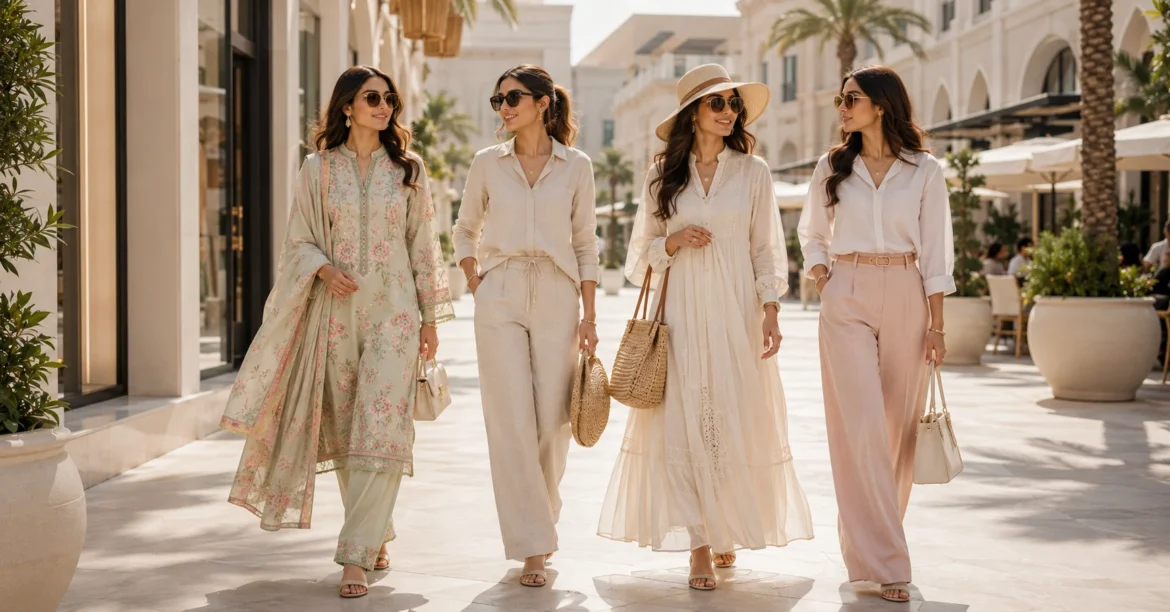
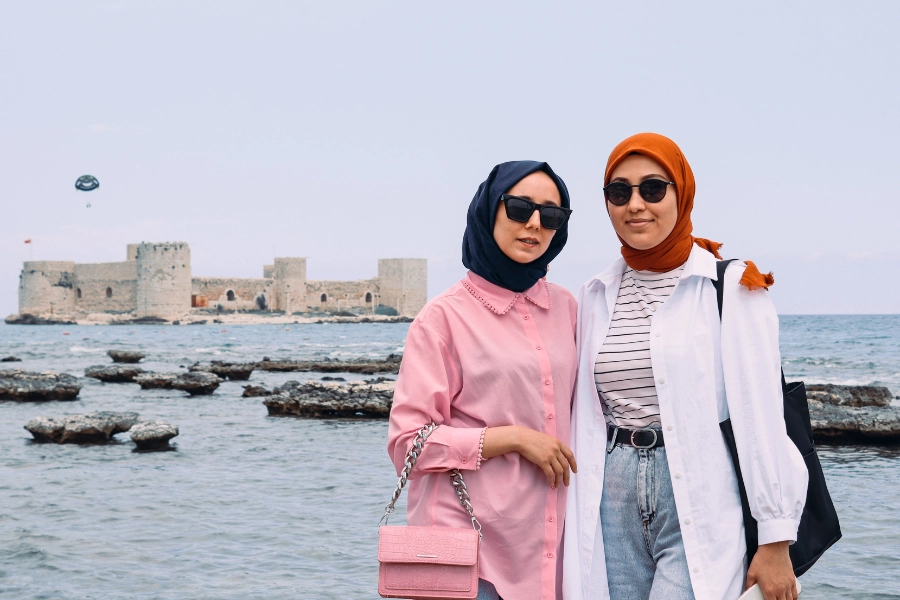
Fashion is a powerful form of self-expression. It allows people to communicate their personality, culture, lifestyle, confidence, and creativity through clothing and appearance. Whether you prefer classic elegance, modern minimalism, sporty outfits, or bold streetwear, fashion helps tell your unique story.
If you’re completely new to fashion, don’t worry. You don’t need a designer wardrobe or an unlimited shopping budget to dress well. Understanding the basics of fashion is the first step toward building confidence and developing your own personal style.
In this comprehensive guide, you’ll learn what fashion truly means, why it matters, the different types of fashion, and practical tips to help you start your fashion journey with confidence.
What Is Fashion?
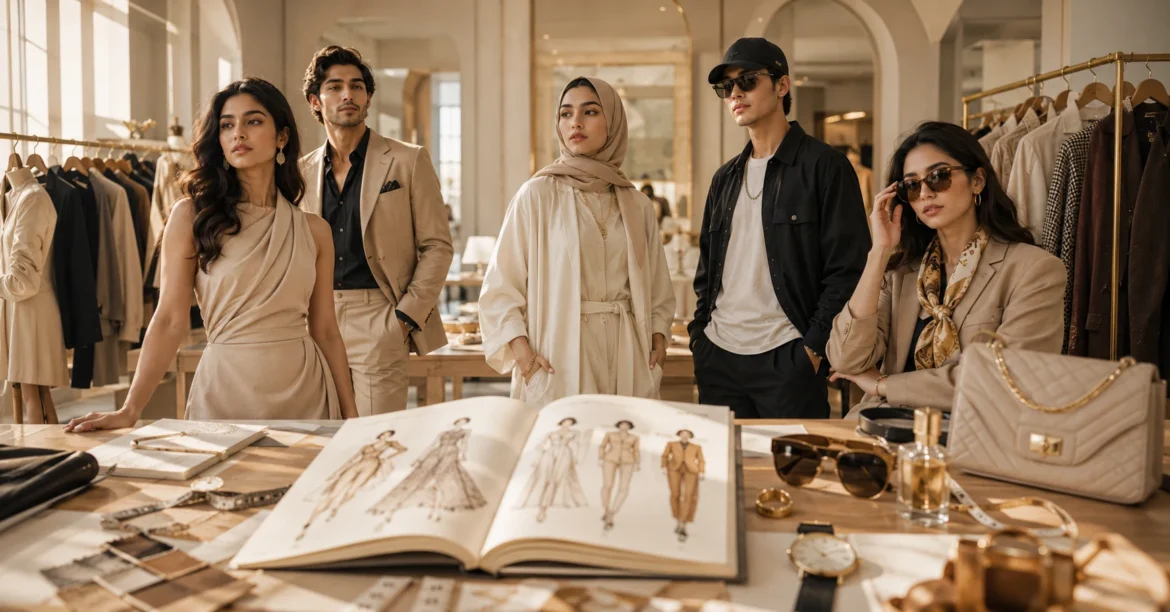
Fashion is the art of expressing yourself through clothing, footwear, accessories, hairstyles, and overall appearance. It reflects not only what is popular at a particular time but also your individuality, values, and lifestyle.
Fashion is constantly evolving. Trends come and go, but fashion itself remains an important part of human culture.
For example:
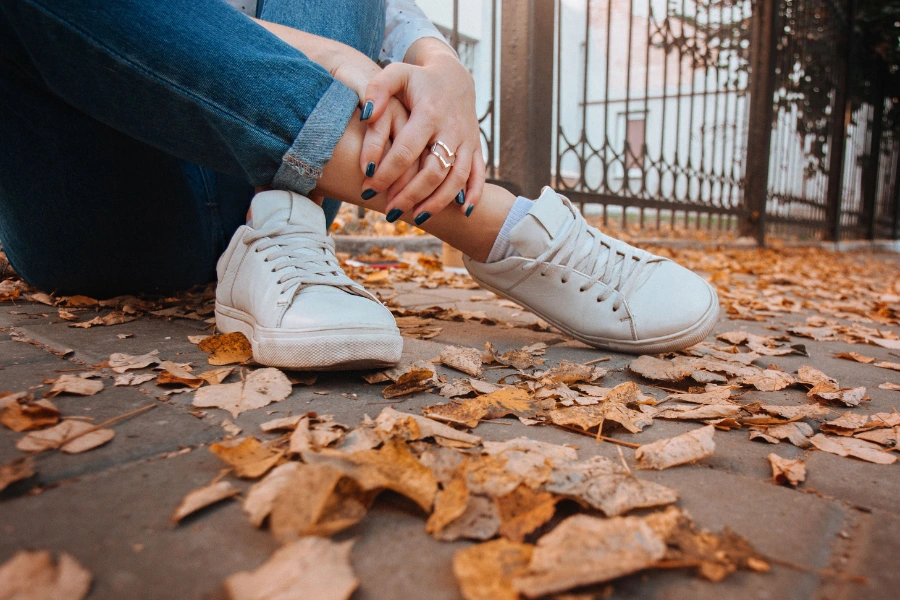
- A student may choose comfortable jeans, sneakers, and a hoodie for everyday wear.
- A business professional may prefer tailored suits and polished shoes.
- Someone attending a wedding might wear elegant traditional clothing or formal attire.
- A fashion enthusiast may enjoy experimenting with bold colors, unique silhouettes, and statement accessories.
Each choice communicates something different about the wearer.
Fashion is not about wearing the most expensive clothes—it’s about wearing the right clothes for your personality, lifestyle, and occasion.
A Simple Definition
In simple words:
Fashion is the way people express themselves through clothing and appearance while reflecting current trends, culture, and personal identity.
Fashion Is More Than Clothing
Fashion includes many different elements, such as:
- Clothing
- Shoes
- Bags
- Jewelry
- Watches
- Hairstyles
- Makeup
- Colors
- Fabrics
- Accessories
- Personal grooming
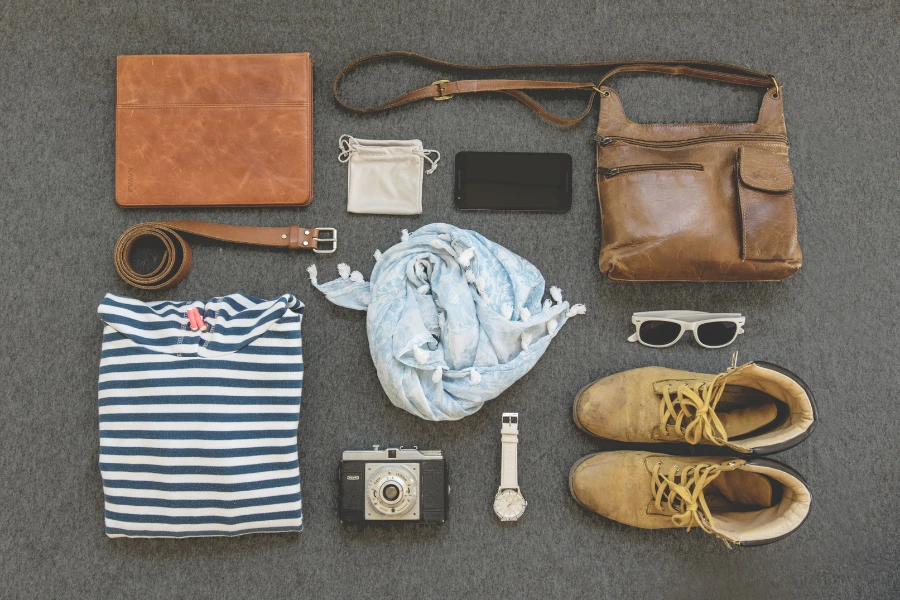
All these components work together to create your overall look.
Why Fashion Matters
Many beginners wonder:
“Why should I care about fashion?”
The answer is simple.
Fashion influences how we feel about ourselves and how others perceive us.
While appearance isn’t everything, dressing appropriately and confidently can positively impact many aspects of life.
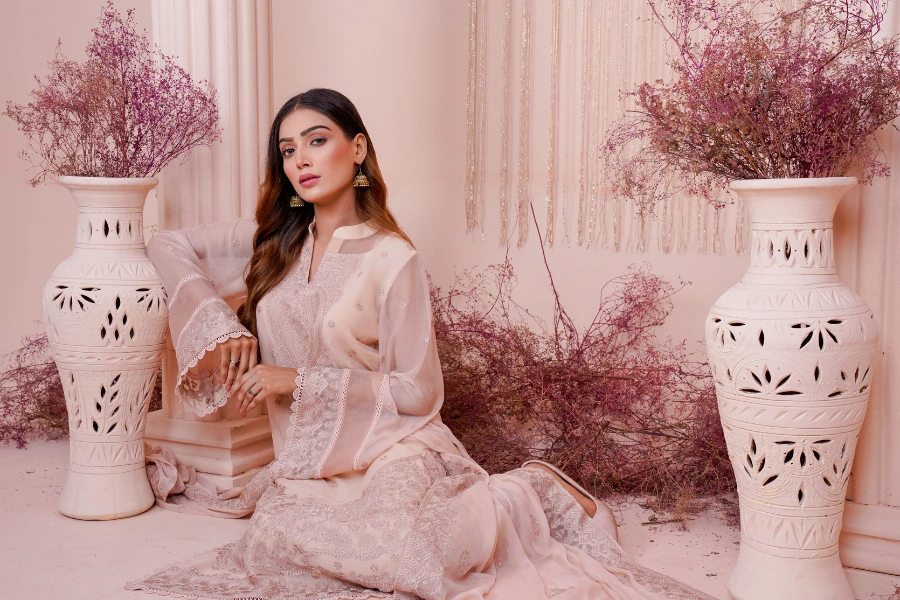
Fashion Builds Confidence
When you wear clothes that fit well and match your personality, you naturally feel more comfortable and confident.
Confidence affects:
- Body language
- Communication
- Social interactions
- Professional opportunities
- First impressions
A carefully chosen outfit can help you feel prepared for interviews, presentations, celebrations, or even casual gatherings.
Fashion Reflects Your Personality
Without speaking, your clothing can communicate:
- Creativity
- Professionalism
- Simplicity
- Elegance
- Confidence
- Energy
- Cultural identity
For example, someone who enjoys minimalist fashion may prefer neutral colors and clean lines, while another person may love vibrant prints and expressive accessories.
Neither approach is right or wrong—it depends on personal preference.
Fashion Creates First Impressions
Research has shown that people often form first impressions within seconds of meeting someone.
Although character is far more important than appearance, appropriate clothing can help communicate that you care about yourself and respect the occasion.
Whether you’re attending a job interview, meeting new friends, or participating in a formal event, dressing thoughtfully can contribute to a positive first impression.
Fashion vs Style: What’s the Difference?
Many people use the words fashion and style interchangeably, but they are not the same.
| Fashion | Style |
|---|---|
| Changes frequently | Remains personal and consistent |
| Influenced by trends | Reflects your personality |
| Popular for a limited time | Develops over many years |
| Shared by many people | Unique to each individual |
Example
Wide-leg trousers may become fashionable during a particular season.
However, if they don’t suit your body type or personal taste, your own style may be better expressed through tailored trousers or straight-leg jeans.
In other words:
- Fashion tells you what’s popular.
- Style helps you decide what works best for you.
The Purpose of Fashion
Fashion is often misunderstood as simply wearing stylish clothes. In reality, fashion serves many important purposes in our daily lives. It influences how we express ourselves, interact with others, and even how we feel about our own confidence.
Let’s explore the key purposes of fashion.
1. Self-Expression
Fashion is one of the easiest ways to express your personality without speaking.
For example:
- Someone who prefers neutral colors may appreciate simplicity and elegance.
- Someone who enjoys bold prints and bright colors may have a creative and energetic personality.
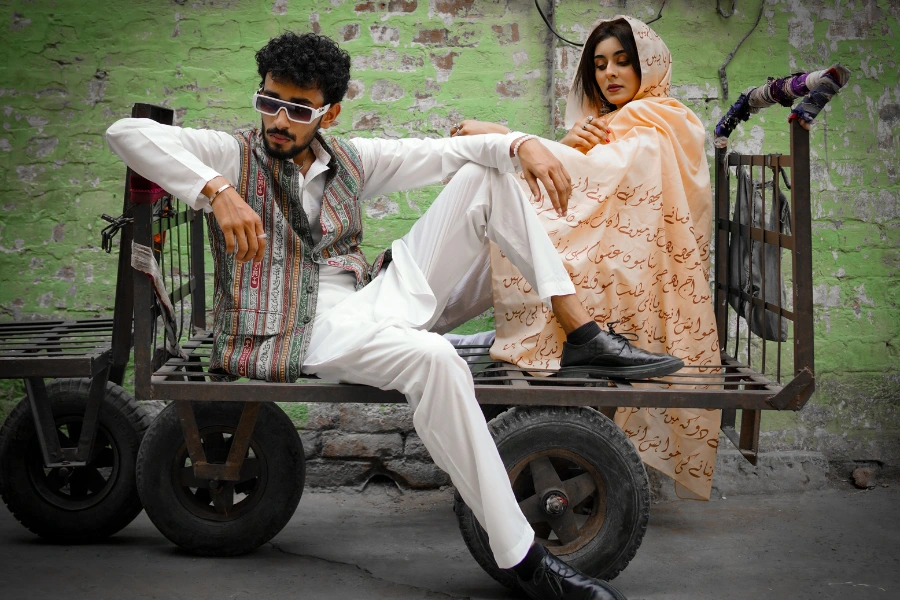
- A person wearing traditional clothing may be expressing pride in their culture and heritage.
Your clothing choices tell a story about who you are.
2. Building Confidence
Have you ever noticed how wearing your favorite outfit instantly makes you feel better?
That’s because clothing has a psychological effect.
When you wear clothes that fit well and suit your personality, you often feel:
- More confident
- More comfortable
- More attractive
- Better prepared for social situations
Confidence isn’t about expensive brands—it’s about wearing clothing that makes you feel like the best version of yourself.
3. Creating Positive First Impressions
People naturally notice appearance before conversation begins.
Although personality matters far more than clothing, dressing appropriately for different occasions shows:
- Respect
- Professionalism
- Good grooming
- Attention to detail
Whether attending a job interview, university presentation, wedding, or business meeting, choosing suitable clothing helps create a positive first impression.
4. Reflecting Culture and Identity
Fashion is deeply connected to culture.
Around the world, clothing reflects traditions, beliefs, climates, and lifestyles.
Examples include:
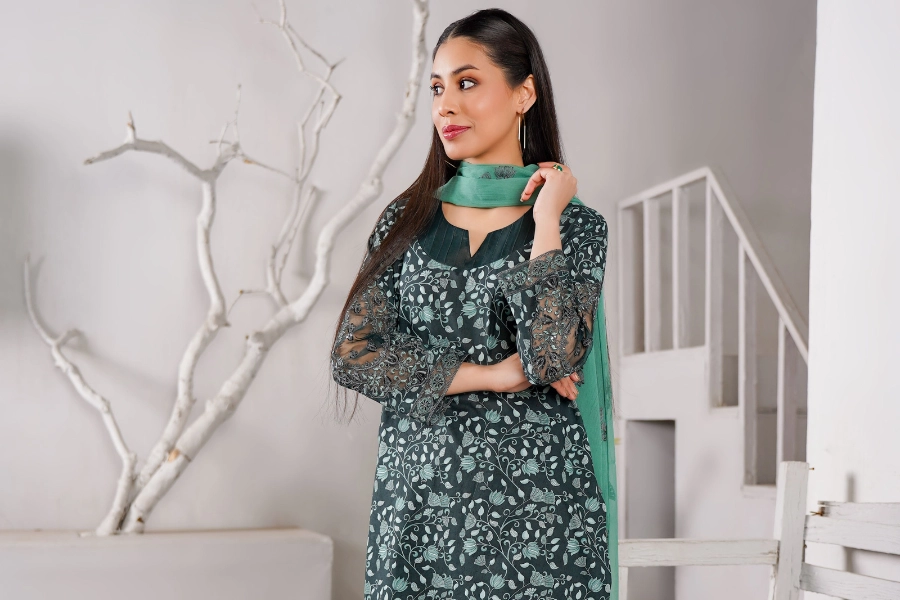
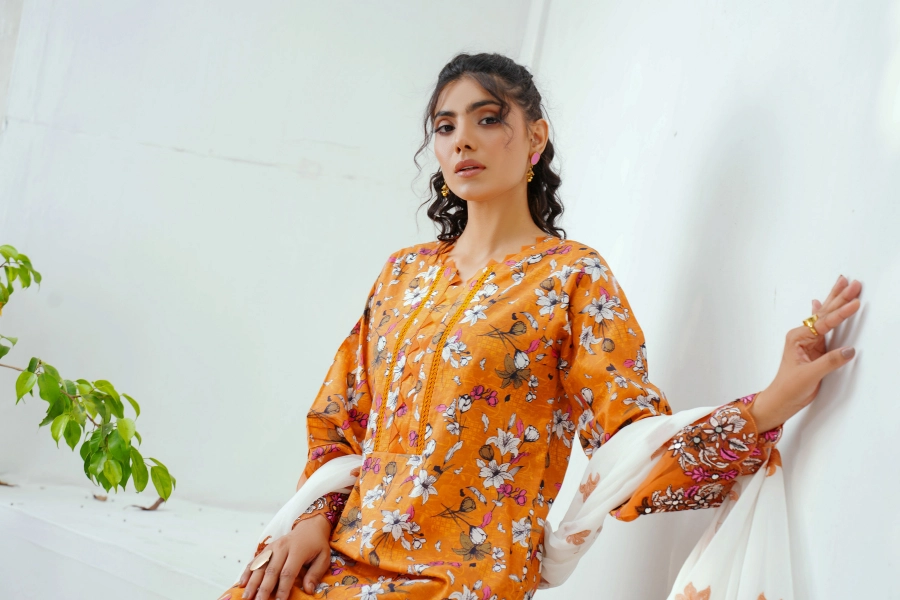
- Pakistani Shalwar Kameez
- Japanese Kimono
- Indian Saree
- Scottish Kilt
- Middle Eastern Abaya
Traditional clothing preserves cultural identity while allowing modern interpretations through contemporary fashion. 5. Following Trends While Staying Individual
Fashion trends introduce new colors, fabrics, cuts, and styling ideas every season.
However, following every trend isn’t necessary.
The smartest approach is to:
- Understand current trends
- Choose only those that suit your personality
- Adapt trends to your own style
This creates a timeless wardrobe rather than constantly chasing every new fashion trend.
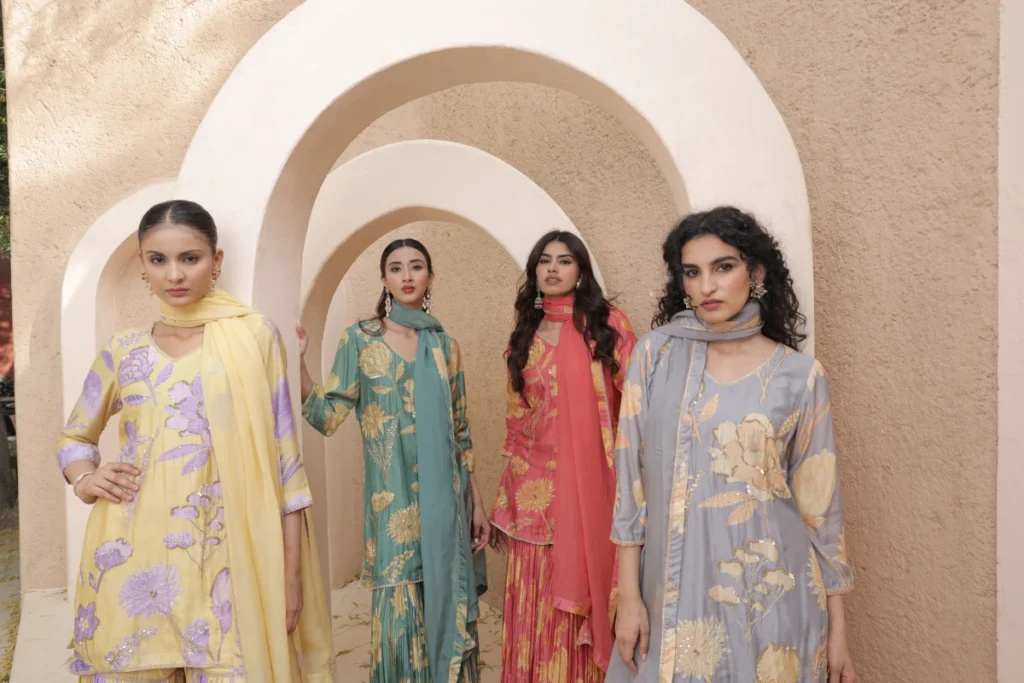
Different Types of Fashion
Fashion isn’t limited to one look. Different occasions, personalities, and lifestyles require different fashion styles.
Understanding these styles helps beginners build a wardrobe that works for every situation.
Casual Fashion
Casual fashion is designed for comfort and everyday wear.
Common casual clothing includes:
- T-shirts
- Jeans
- Sneakers
- Hoodies
- Polo shirts
- Casual dresses
Best for:
- University
- Shopping
- Weekend outings
- Traveling
- Daily activities
Formal Fashion
Formal fashion is worn during professional or elegant occasions.
Examples include:
For Women:
- Blazers
- Formal dresses
- Pencil skirts
- Elegant heels
For Men:
- Business suits
- Dress shirts
- Ties
- Leather shoes
Suitable for:
- Business meetings
- Corporate offices
- Weddings
- Formal dinners
Smart Casual Fashion
Smart casual combines comfort with sophistication.
Examples:
- Chinos with a polo shirt
- Blazer with jeans
- Midi dress with loafers
- Tailored trousers with a stylish blouse
Perfect for:
- Office environments
- Dinner dates
- Networking events
- Business casual workplaces
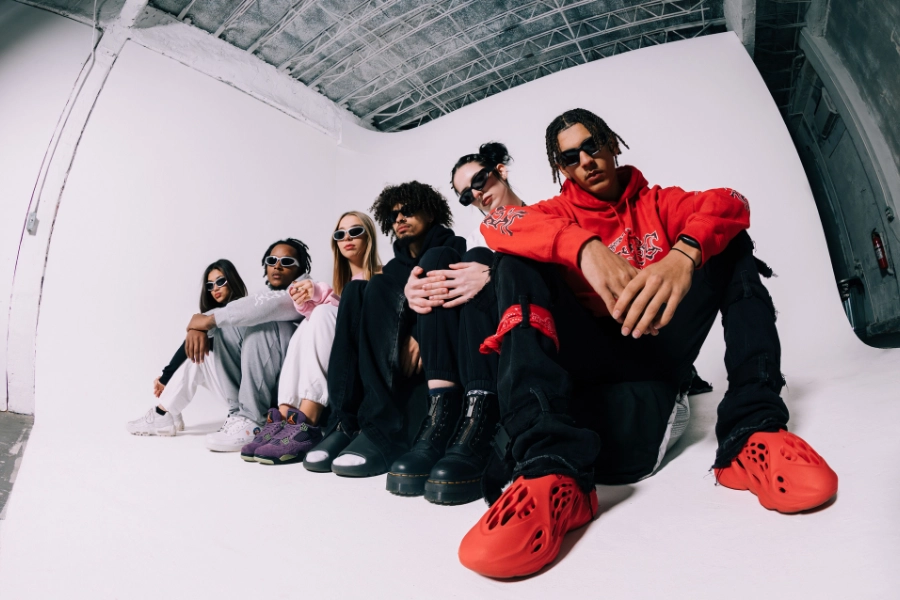
Streetwear
Streetwear originated from skateboarding, hip-hop, and youth culture.
Popular items include:
- Oversized hoodies
- Graphic T-shirts
- Cargo pants
- Sneakers
- Caps
Streetwear focuses on individuality, creativity, and comfort.
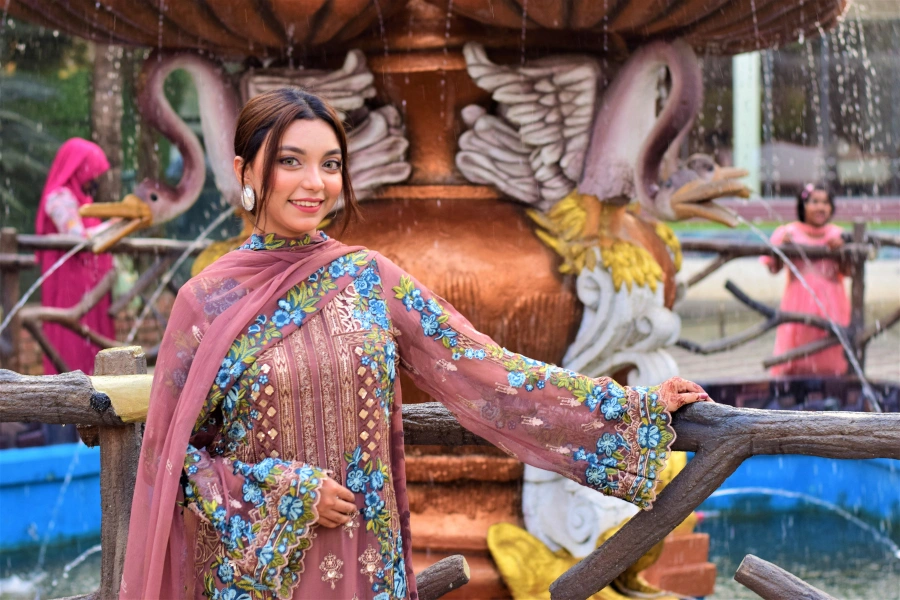
Luxury Fashion
Luxury fashion represents premium craftsmanship, high-quality materials, and timeless elegance.
Characteristics include:
- Premium fabrics
- Designer brands
- Excellent tailoring
- Exclusive collections
- Attention to detail
Luxury fashion is less about logos and more about quality, durability, and design.
Minimalist Fashion
Minimalist fashion focuses on simplicity.
Typical features include:
- Neutral colors
- Clean lines
- High-quality basics
- Fewer accessories
- Timeless pieces
This style is ideal for people who prefer a clutter-free wardrobe.
Sustainable Fashion
Sustainable fashion encourages responsible shopping and environmentally friendly clothing choices.
Examples include:
- Buying quality instead of quantity
- Supporting ethical brands
- Recycling clothing
- Donating unused garments
- Choosing natural fabrics
As awareness grows, sustainable fashion continues to become an important part of the global fashion industry.
Comparison Table – Popular Fashion Styles
| Fashion Style | Best For | Characteristics |
|---|---|---|
| Casual | Daily Wear | Comfortable, relaxed |
| Formal | Office & Events | Elegant and professional |
| Smart Casual | Meetings & Dinner | Balanced and polished |
| Streetwear | Youth & Urban Style | Trendy and expressive |
| Luxury | Premium Occasions | High-quality and timeless |
| Minimalist | Everyday Elegance | Simple and clean |
| Sustainable | Eco-conscious Lifestyle | Ethical and responsible |
Fashion Through History
Fashion has evolved continuously throughout human history.
Thousands of years ago, clothing was created mainly for protection against weather and environmental conditions.
As civilizations developed, clothing began representing:
- Social status
- Occupation
- Wealth
- Religion
- Cultural traditions
During the Renaissance, fashion became increasingly artistic, with elaborate garments and luxurious fabrics symbolising prestige. If you’re interested in exploring the evolution of clothing in more detail, the Fashion History Timeline by the Fashion Institute of Technology (FIT) provides an excellent historical resource.
The Industrial Revolution made clothing more accessible through mass production, allowing fashion to reach a wider audience.
In the modern era, fashion evolves rapidly due to:
- Social media
- Celebrity influence
- Fashion designers
- Online shopping
- Digital marketing
- Global trends
Today, fashion blends tradition with innovation, giving people endless opportunities to express their individuality.
Understanding the Fashion Industry
The fashion industry is much larger than simply designing clothes.
It includes many professionals working together to bring fashion ideas to consumers.
Key areas include:
- Fashion designers
- Textile manufacturers
- Pattern makers
- Clothing manufacturers
- Retail stores
- Online fashion brands
- Fashion photographers
- Stylists
- Fashion journalists
- Models
- Fashion influencers
- E-commerce specialists
- Digital marketers
Together, these professionals create one of the world’s largest industries.
How Fashion Influences Everyday Life
Fashion is often associated with runways, celebrities, and luxury brands, but its influence goes far beyond the fashion industry. Every day, people make clothing choices that affect how they feel, how they interact with others, and how they are perceived in different environments.
Whether you’re going to school, attending a job interview, meeting friends, or participating in a family event, your outfit communicates something about you. Understanding how fashion influences everyday life helps you make more thoughtful decisions while building confidence and expressing your personality.
Fashion Shapes First Impressions
One of the most significant roles of fashion is creating first impressions.
Research has shown that people often form opinions within the first few seconds of meeting someone. While appearance should never be used to judge a person’s character, dressing appropriately for different occasions demonstrates respect, professionalism, and self-care.
For example:
- A well-fitted business outfit creates confidence during a job interview.
- Clean and simple clothing helps students appear organized and responsible.
- Elegant attire at weddings or formal events shows respect for the occasion.
- Smart casual outfits are ideal for meeting friends, networking events, or family gatherings.
The goal is not to impress others with expensive clothing but to wear outfits that suit the situation and reflect your personality.
Fashion Boosts Self-Confidence
Confidence begins with feeling comfortable in your own skin, and clothing can play an important role in that process.
When you wear clothes that fit properly, complement your body shape, and match your personality, you naturally feel more confident. This confidence often influences the way you walk, communicate, and interact with others.
Fashion doesn’t change who you are—it simply helps you present the best version of yourself.
Many people notice that wearing their favorite outfit makes them feel more motivated and positive throughout the day. This emotional connection with clothing is one of the reasons fashion remains such an important part of everyday life.
Fashion Reflects Your Personality
Every person has a unique personality, and fashion provides an opportunity to express it visually.
For instance:
- Someone who prefers minimalist fashion may enjoy clean lines, neutral colors, and timeless clothing.
- A creative individual might experiment with bold patterns, bright colors, and statement accessories.
- Someone who values comfort may choose relaxed silhouettes and breathable fabrics.
There is no single “correct” way to dress. The best style is the one that feels authentic to you.
Developing your personal style is a gradual process that evolves with your experiences, interests, and lifestyle.
Fashion Changes with Different Occasions
One of the key principles of dressing well is understanding that different situations call for different clothing.
For example:
| Occasion | Suitable Fashion Style |
|---|---|
| University or College | Casual |
| Office | Business Casual or Formal |
| Wedding | Traditional or Formal |
| Dinner with Friends | Smart Casual |
| Gym | Activewear |
| Vacation | Comfortable Casual |
| Business Meeting | Formal |
Learning how to dress appropriately for different occasions demonstrates maturity and good judgment while helping you feel more confident.
Fashion Encourages Creativity
Fashion is one of the few forms of creativity that almost everyone experiences daily.
Every morning, you make creative decisions about:
- Colors
- Patterns
- Accessories
- Shoes
- Hairstyles
Even simple outfit combinations allow you to express your creativity without saying a word.
Over time, experimenting with different combinations helps you discover what truly suits your personality and lifestyle.
Fashion Evolves Throughout Your Life
Your style today will probably not be the same five years from now.
Fashion evolves naturally as your:
- Career changes
- Lifestyle changes
- Responsibilities grow
- Interests develop
- Confidence increases
For example:
A university student may prioritize comfort and affordability, while later choosing more professional clothing after entering the workforce.
Instead of constantly chasing every trend, allow your wardrobe to evolve alongside your life.
Fashion Helps Preserve Culture
Fashion also plays an important role in preserving cultural traditions around the world.
Traditional clothing represents history, identity, and heritage.
Examples include:
- Pakistani Shalwar Kameez
- Indian Saree
- Japanese Kimono
- Scottish Kilt
- Korean Hanbok
- Middle Eastern Abaya
Modern fashion often combines traditional designs with contemporary styling, allowing younger generations to celebrate their culture while embracing current trends.
Fashion Is About Confidence, Not Perfection
One of the biggest misconceptions is that fashionable people have perfect wardrobes or unlimited budgets.
The truth is much simpler.
Fashion is about:
- Wearing clothes that fit well.
- Choosing outfits that suit your lifestyle.
- Feeling comfortable in your own appearance.
- Expressing your personality with confidence.
The most memorable outfits are rarely the most expensive—they are the ones worn with genuine confidence and authenticity.
Remember:
Fashion may introduce trends, but confidence is what truly completes every outfit.
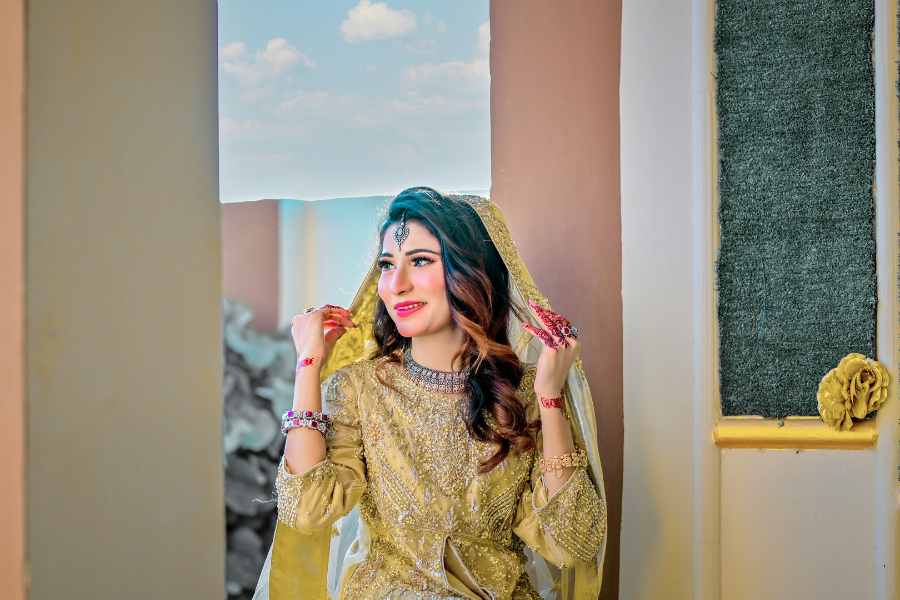
How Fashion Trends Begin
Many people believe fashion trends are created only by celebrities.
In reality, trends emerge from several sources working together.
Common trend sources include:
- Fashion Weeks (Paris, Milan, London, New York)
- Designers
- Celebrities
- Social media creators
- Movies
- Music
- Cultural movements
- Consumer preferences
- Seasonal changes
Fashion trends change every season, and understanding current styles can help you develop your own look without blindly following every trend. If you’d like to see what’s popular this year, read our Top 10 Summer Fashion Trends 2026 for the latest seasonal styles and inspiration.
Every season, leading fashion publications such as Vogue showcase runway collections, emerging designers, seasonal color palettes, and global fashion trends that often influence what consumers wear around the world.
Once a trend gains popularity, clothing brands adapt it for the general market, making it accessible to everyday consumers.
How to Start Your Fashion Journey as a Beginner
Starting your fashion journey can feel exciting but also overwhelming. With countless clothing styles, fashion influencers, seasonal trends, and shopping options available today, it’s easy to feel unsure about where to begin. The good news is that becoming fashionable doesn’t happen overnight—it happens through small, thoughtful improvements that reflect your personality and lifestyle.
One of the biggest mistakes beginners make is believing they need to completely change their wardrobe or buy expensive designer clothing. In reality, fashion is about making smart choices with what you already have while gradually building a capsule wardrobe at later stage that suits your needs.
Below are practical steps to help you begin your fashion journey with confidence.
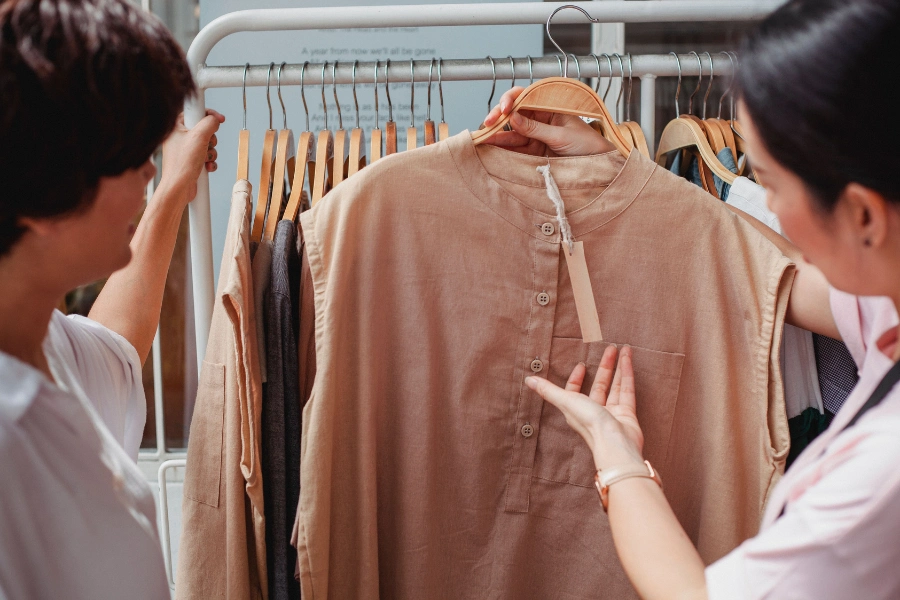
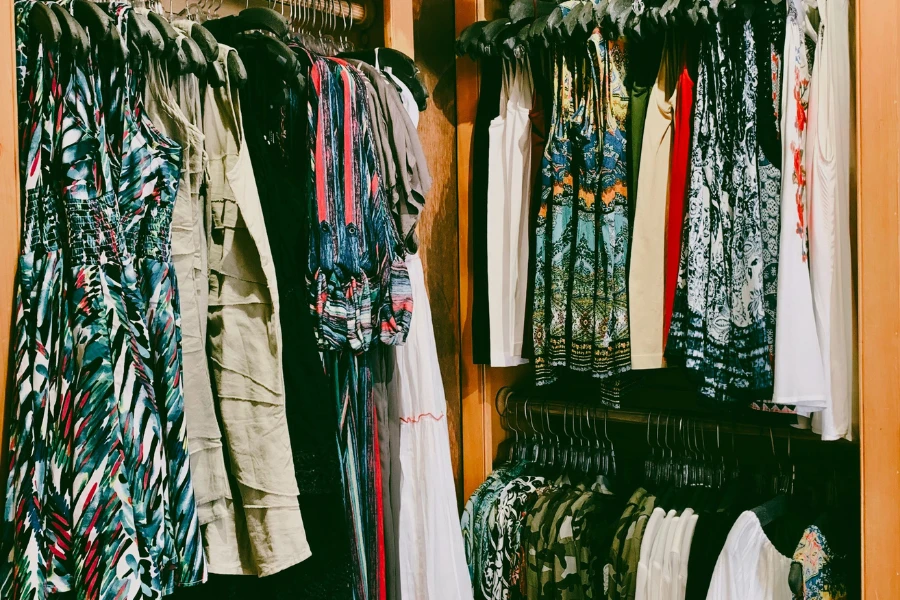
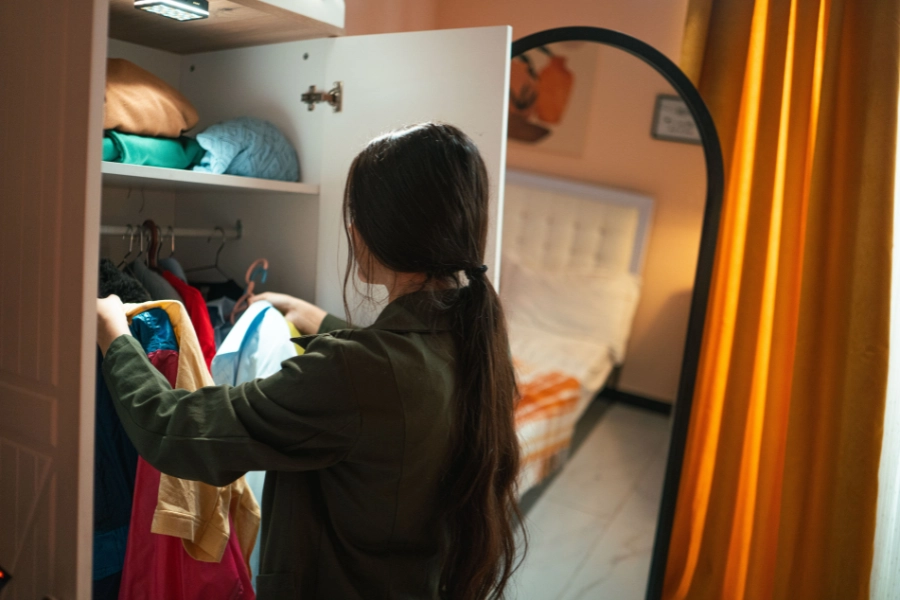
Evaluate Your Current Wardrobe
Before buying anything new, spend some time looking through your existing clothes.
Separate your wardrobe into three groups:
Clothes you wear regularly
These are your favorite pieces because they are comfortable, fit well, and make you feel confident.
Clothes you rarely wear
Ask yourself why you don’t wear them.
Common reasons include:
- Poor fit
- Uncomfortable fabric
- Difficult to match
- Outdated style
- Wrong size
Clothes you never wear
If you haven’t worn an item in more than a year, consider donating, selling, or recycling it unless it has sentimental value.
Cleaning your wardrobe helps you understand your personal style much better.
Build a Wardrobe Around Essentials
Every stylish wardrobe starts with versatile basics.
Instead of buying trendy pieces first, invest in clothing that can be worn in multiple combinations.
Examples include:
For Women
- White shirt
- Black trousers
- Blue jeans
- Neutral blazer
- Comfortable sneakers
- White sneakers
- Black handbag
- Simple accessories
For Men
- White Oxford shirt
- Navy chinos
- Dark jeans
- Black belt
- White sneakers
- Formal shoes
- Neutral blazer
These timeless pieces never go out of fashion and make getting dressed much easier.
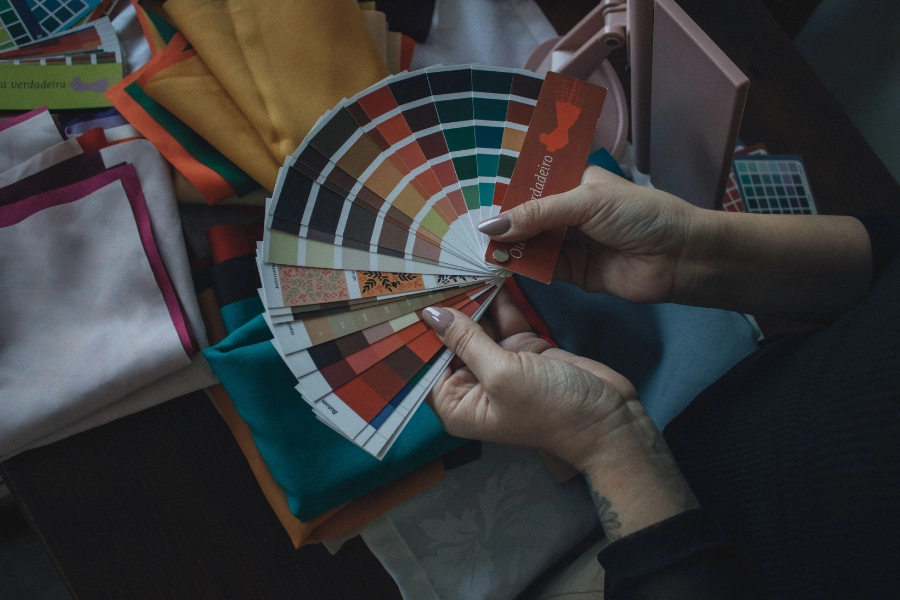
Learn the Basics of Color Coordination
Many beginners struggle with matching colors.
A simple approach is to start with neutral shades, such as:
- Black
- White
- Grey
- Beige
- Navy
These colors work well together and allow you to introduce brighter colors gradually through accessories or one statement piece.
For example:
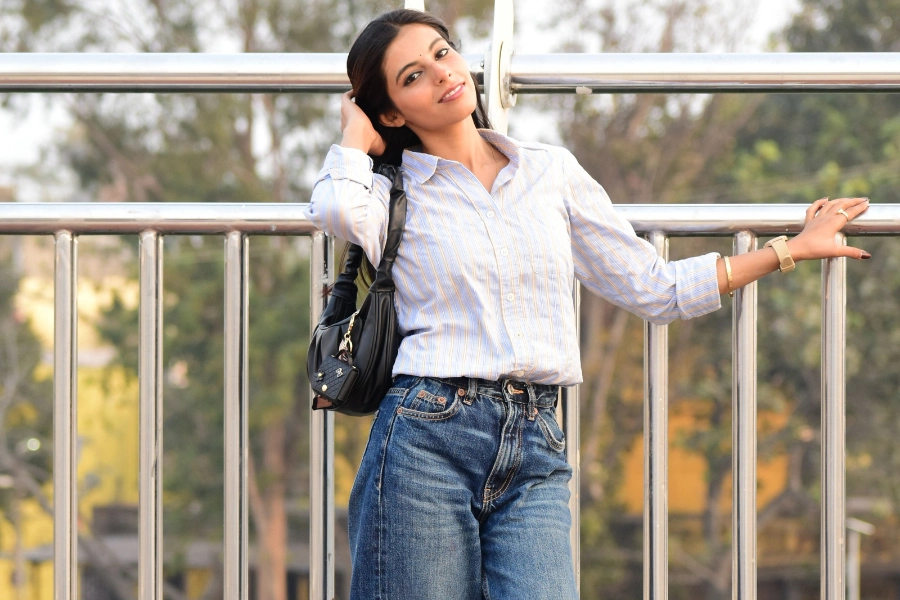
- White shirt + navy jeans + white sneakers
- Black trousers + beige blouse + nude heels
- Grey T-shirt + blue denim + white shoes
Simple combinations often look more elegant than overly complicated outfits.
Shop with a Plan, Not Emotion
Impulse shopping is one of the biggest reasons wardrobes become cluttered.
Before buying any clothing item, ask yourself these questions:
- Will I wear this at least 20 times?
- Does it match clothes I already own?
- Is it suitable for my lifestyle?
- Is the quality good?
- Do I genuinely like it, or is it simply trending?
Following this simple checklist can save money while helping you build a wardrobe you’ll actually enjoy wearing.
Develop Confidence, Not Perfection
Fashion is not about achieving perfection.
Your style will evolve naturally as you gain experience and discover what works for you.
Instead of comparing yourself with celebrities or social media influencers, focus on becoming a better version of yourself.
Confidence comes from wearing clothes that make you feel comfortable, authentic, and prepared for every occasion.
Remember:
The best-dressed person is not always the one wearing the most expensive clothes—it’s the one who wears them with confidence.
Fashion on a Budget: Looking Stylish Without Spending a Fortune
Looking fashionable doesn’t require an expensive wardrobe. Many stylish people create elegant outfits by making thoughtful purchases rather than buying more clothes.
Here are a few practical ways to stay fashionable on a budget:
- Invest in timeless wardrobe basics instead of fast-changing trends.
- Shop during seasonal sales and clearance events.
- Choose quality fabrics that last longer.
- Mix and match existing clothing instead of constantly buying new outfits.
- Take good care of your clothes by washing, ironing, and storing them properly.
- Add affordable accessories such as scarves, belts, or watches to refresh simple outfits.
Fashion is about creativity, not the price tag. With smart planning, anyone can build a stylish wardrobe without overspending.
How to Find Your Personal Style
Finding your personal style doesn’t mean copying celebrities or buying expensive designer clothes. Instead, it’s about discovering what makes you feel confident, comfortable, and authentic.
Your personal style reflects your personality, lifestyle, body type, and preferences. It evolves over time as your experiences and tastes change.
Looking for outfit inspiration? Our Best Summer Outfit Ideas for Women article shares stylish, comfortable, and practical outfit combinations that are perfect for everyday wear, work, casual outings, and special occasions.
Many beginners feel overwhelmed by countless fashion trends, but developing your own style is simpler than it seems.
Step 1: Understand Your Lifestyle
Your wardrobe should support your daily activities.
Ask yourself:
- Are you a university student?
- Do you work in an office?
- Do you attend formal events regularly?
- Do you travel frequently?
- Do you spend most weekends outdoors?
The answers help determine which clothing you’ll wear most often.
For example, someone working in a corporate office will need more formal outfits than someone studying at university.
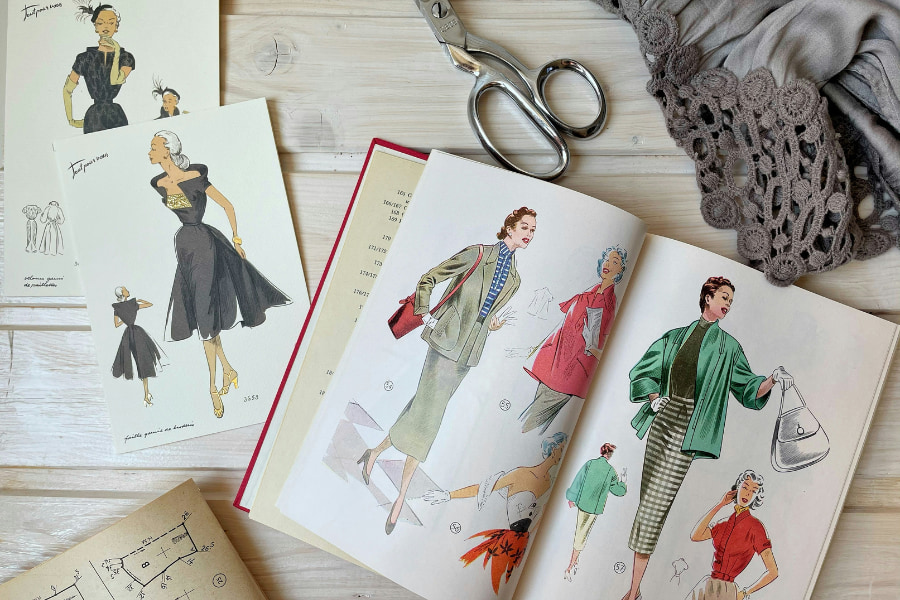
Step 2: Learn Your Body Shape
Understanding your body shape helps you choose clothing that enhances your natural proportions.
Common body shapes include:
- Pear
- Apple
- Rectangle
- Hourglass
- Inverted Triangle
Remember, every body shape is beautiful. Fashion is about choosing clothes that make you feel comfortable and confident—not about changing who you are.
Step 3: Build Around Neutral Basics
Start with versatile wardrobe essentials such as:
- White shirt
- Black trousers
- Blue jeans
- Neutral blazer
- Comfortable sneakers
- Black shoes
These pieces can be mixed and matched to create many outfits.
Step 4: Experiment Slowly
Fashion is a journey.
Instead of replacing your entire wardrobe, gradually introduce:
- New colors
- Different fabrics
- Modern accessories
- Seasonal trends
Small improvements often produce the biggest results.
Fashion Tips for Beginners
Starting your fashion journey can feel overwhelming, but following a few simple principles can make a significant difference.
Buy Quality Over Quantity
A few well-made clothing items often outperform a wardrobe full of cheap garments.
Focus on:
- Good stitching
- Comfortable fabrics
- Proper fit
- Timeless designs
Prioritize Fit
Even expensive clothing looks less appealing if it doesn’t fit properly.
Always pay attention to:
- Shoulder fit
- Sleeve length
- Trouser length
- Waist fit
Well-fitted clothing instantly elevates your appearance.
Choose Colors Wisely
Beginners should build wardrobes around versatile colors.
Recommended neutral colors include:
- Black
- White
- Navy
- Beige
- Grey
Once your basics are in place, add accent colors that suit your personality.
Invest in Good Footwear
Shoes can transform an outfit.
A quality pair of shoes often leaves a stronger impression than expensive clothing.
Beginners should consider owning:
- White sneakers
- Black formal shoes
- Comfortable sandals
- Casual loafers
Keep Accessories Simple
Accessories should complement your outfit rather than dominate it.
Examples include:
- Watches
- Belts
- Handbags
- Sunglasses
- Scarves
- Minimal jewelry
Common Fashion Mistakes Beginners Should Avoid
Everyone makes fashion mistakes while learning. The key is recognizing them and improving over time.
Following Every Trend
Not every trend suits every person.
Instead of copying everything you see online, choose trends that fit your body type and personality.
Wearing the Wrong Size
Oversized and undersized clothing can affect both comfort and appearance.The fabric you choose is just as important as the design itself. If you’re shopping for warm weather, our Best Summer Fabrics for Hot Weather guide explains which breathable materials will keep you cool and comfortable throughout the season.
Ignoring Grooming
Fashion isn’t only about clothing.
Good grooming includes:
- Clean shoes
- Well-maintained hair
- Trimmed nails
- Ironed clothes
- Personal hygiene
These details complete your overall appearance.
Buying Without a Plan
Impulse shopping often leads to unused clothing.
Before purchasing, ask:
- Will I wear this often?
- Does it match my existing wardrobe?
- Is it comfortable?
- Does it suit my lifestyle?
Quick Beginner Checklist
| ✓ | Tip |
|---|---|
| ✓ | Wear clothes that fit properly |
| ✓ | Choose quality over quantity |
| ✓ | Build around neutral basics |
| ✓ | Experiment gradually |
| ✓ | Invest in comfortable shoes |
| ✓ | Keep accessories simple |
| ✓ | Stay true to your personal style |
Frequently Asked Questions
What is fashion in simple words?
Fashion is the way people express themselves through clothing, accessories, hairstyles, and personal appearance.
Why is fashion important?
Fashion helps build confidence, express personality, create positive first impressions, and reflect culture and individuality.
What is the difference between fashion and style?
Fashion refers to current trends, while style reflects an individual’s unique personality and preferences.
Can I be fashionable on a budget?
Absolutely. Building a wardrobe with quality basics, versatile pieces, and thoughtful shopping habits allows anyone to dress well without spending excessively.
How can beginners improve their fashion sense?
Start with wardrobe essentials, understand your body type, wear properly fitted clothes, experiment gradually, and prioritize confidence over trends.
Conclusion
Fashion is much more than following trends or purchasing expensive clothing. It is a powerful form of self-expression that reflects your personality, lifestyle, and confidence.
Whether you prefer casual outfits, elegant formal wear, modern streetwear, or timeless minimalist fashion, the most important goal is to create a wardrobe that feels authentic to you.
Remember that fashion is a journey, not a destination. Start with quality basics, learn what suits you best, and continue refining your personal style over time.
By understanding the fundamentals covered in this guide, you’ll be well prepared to make smarter fashion choices, build confidence, and develop a wardrobe you’ll genuinely enjoy wearing.