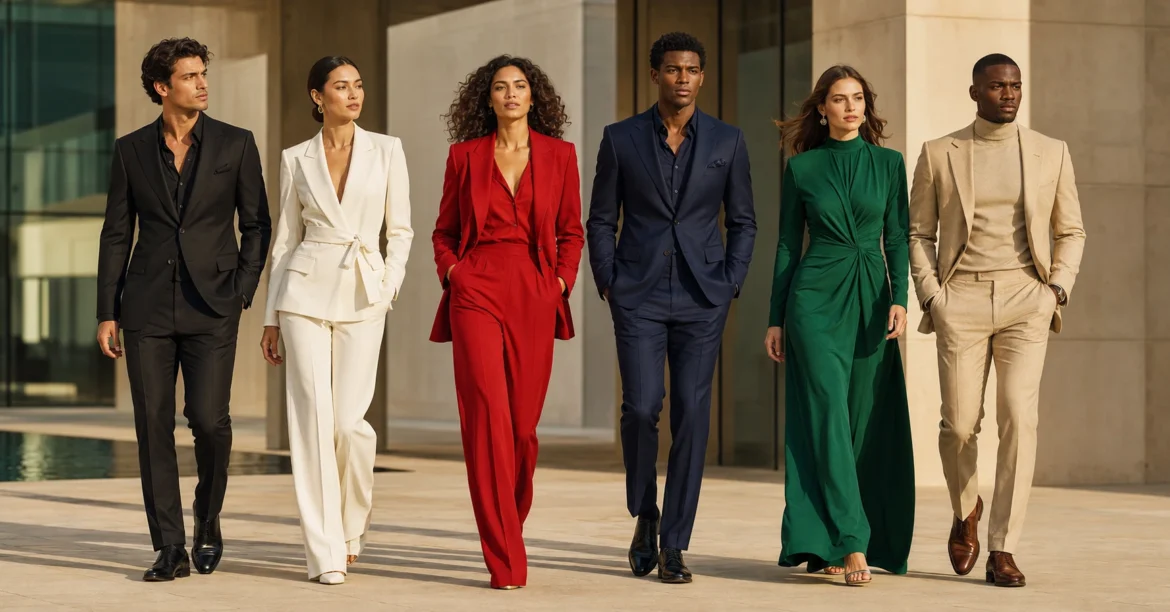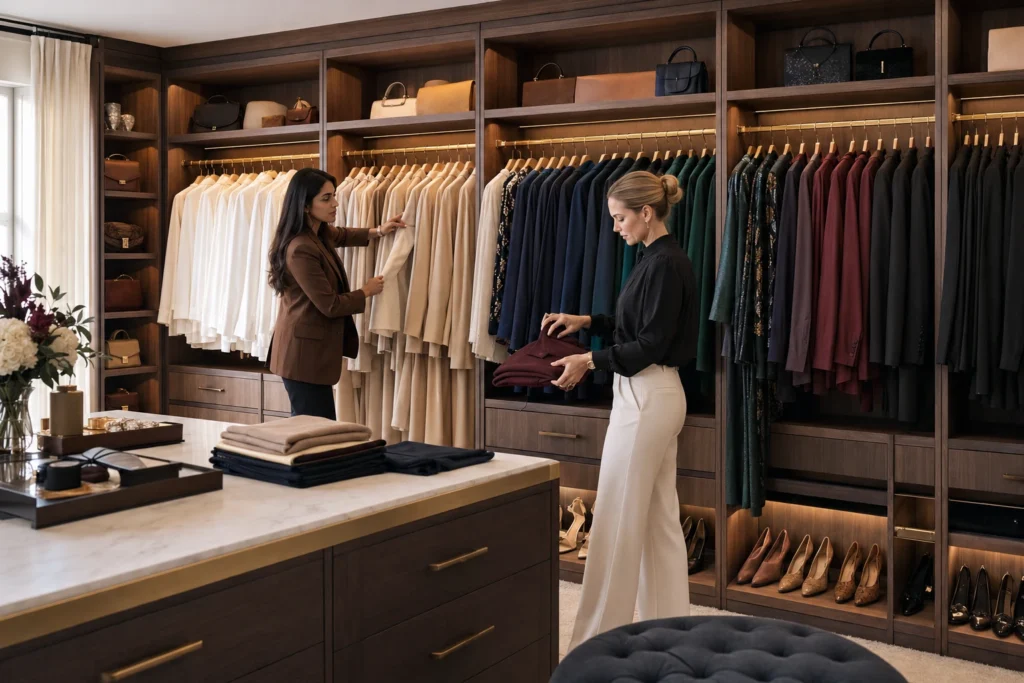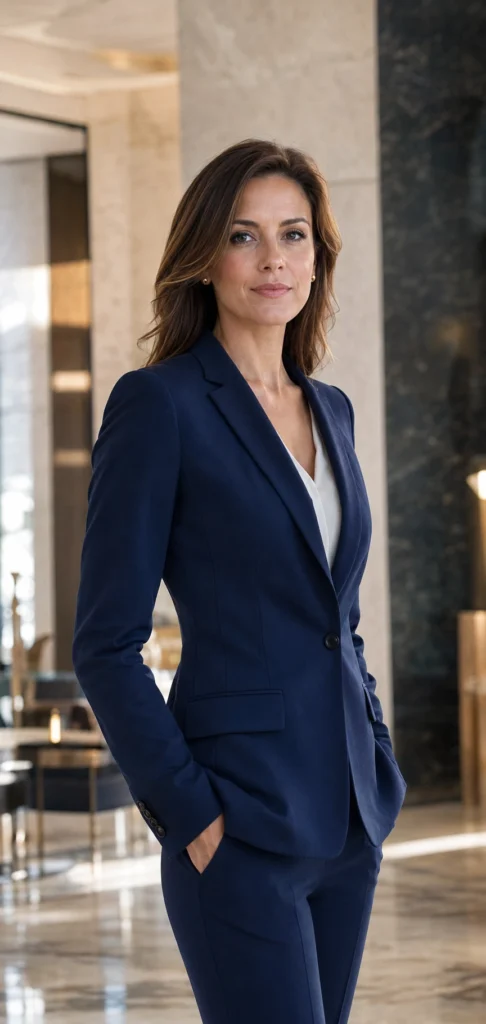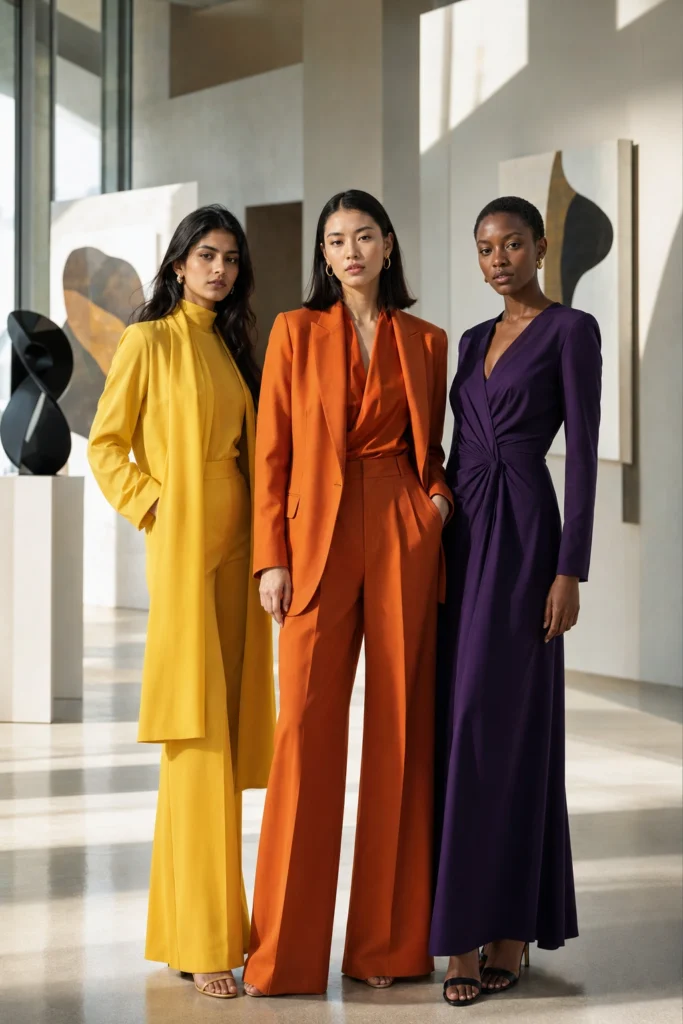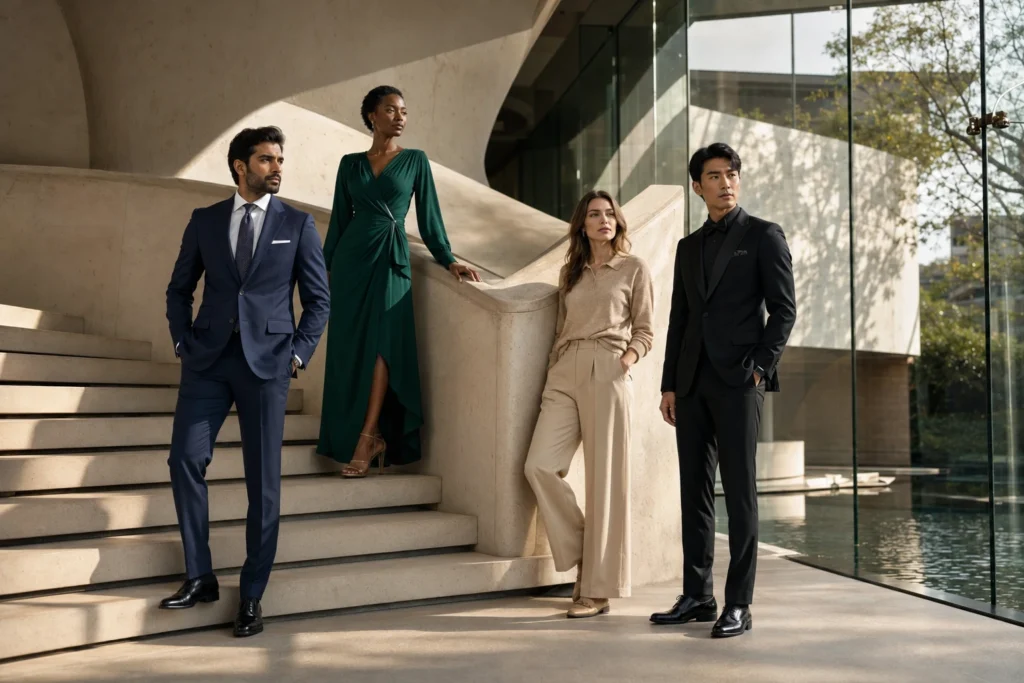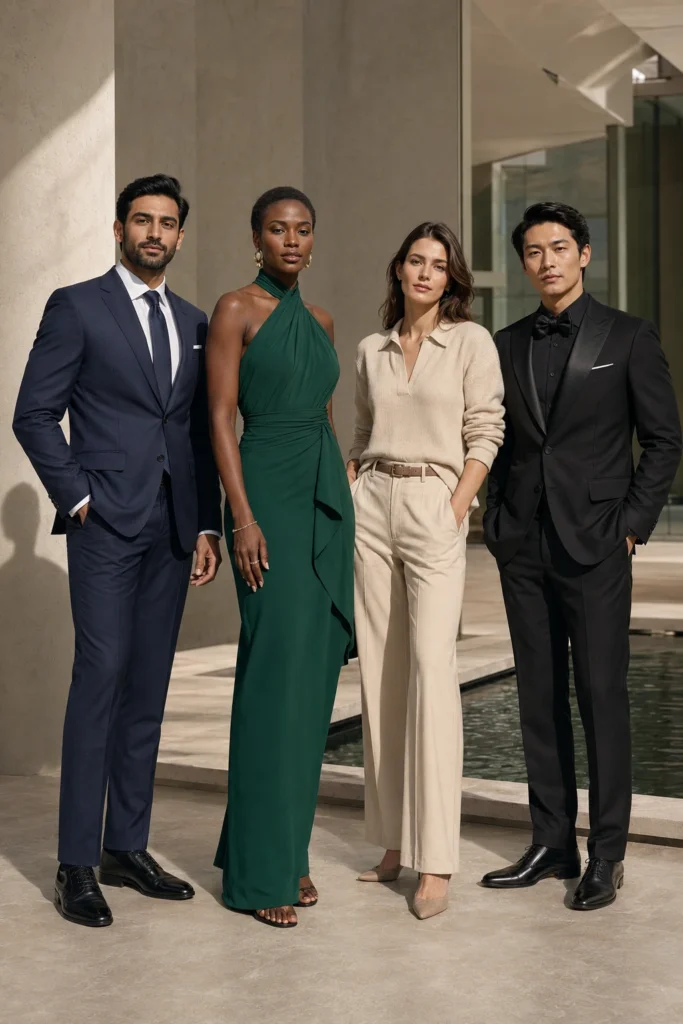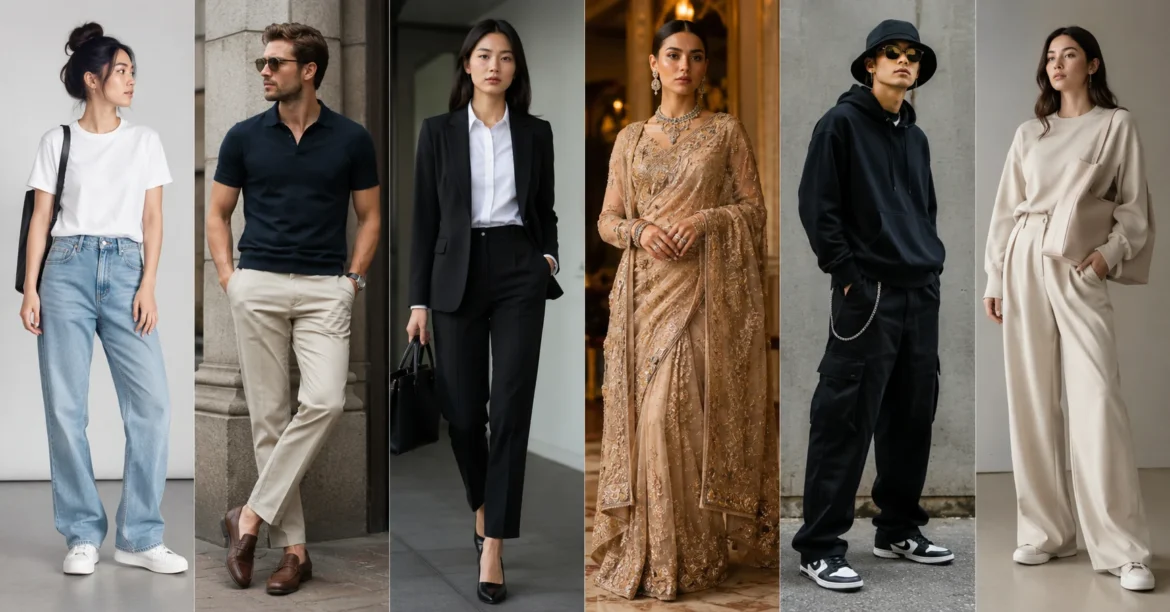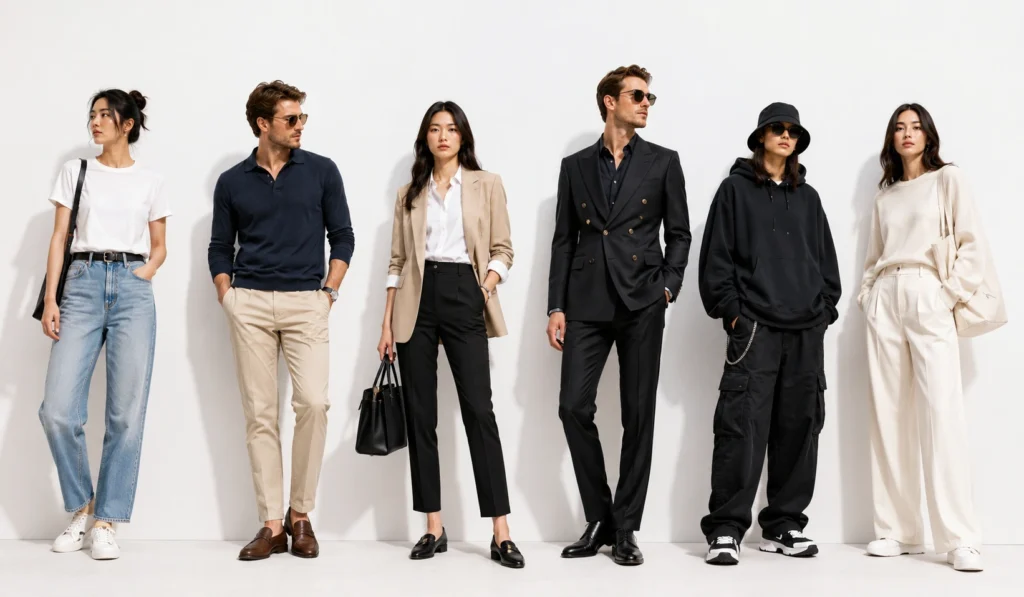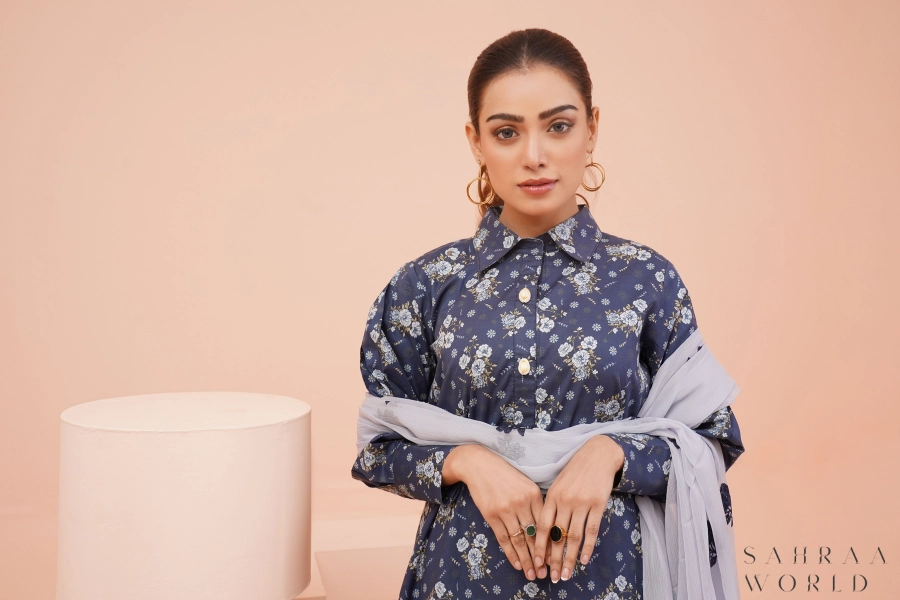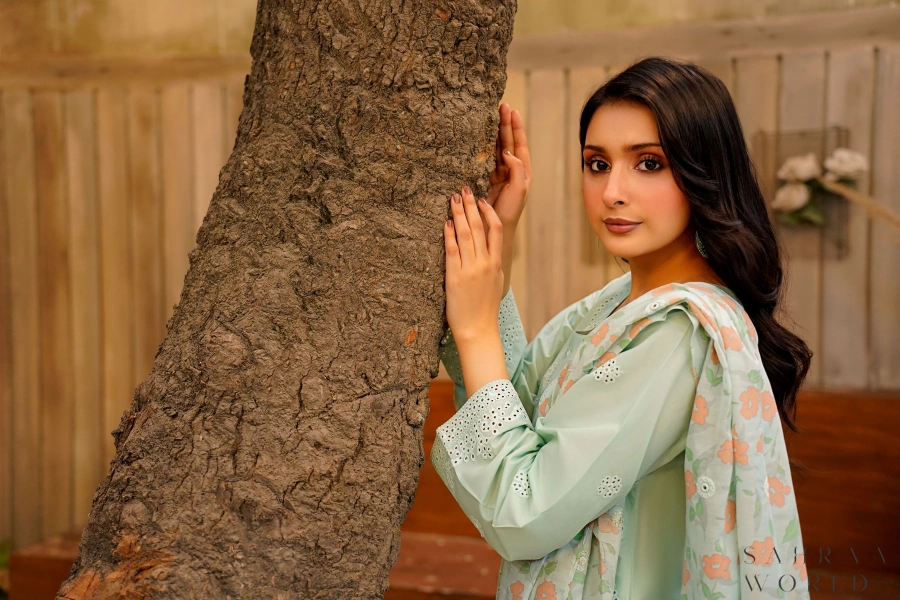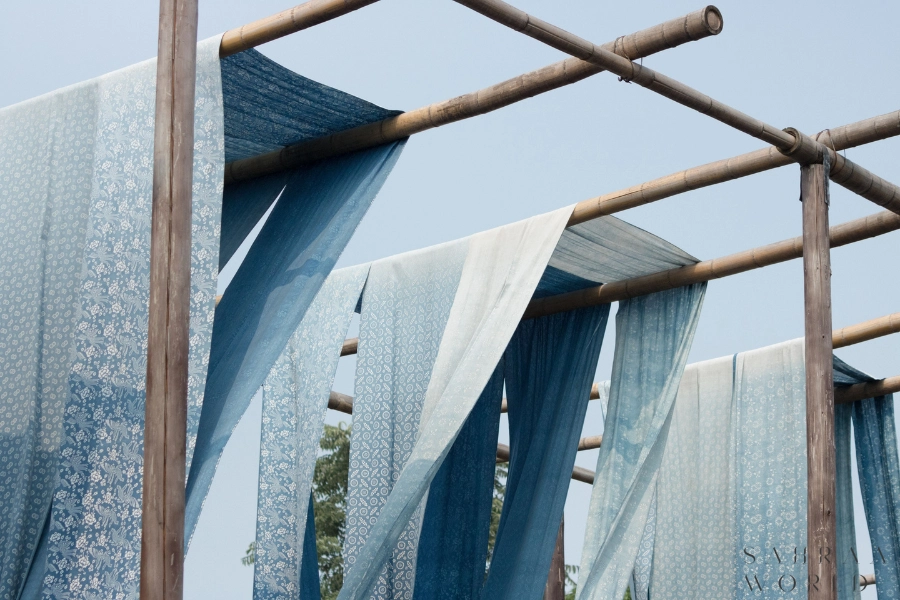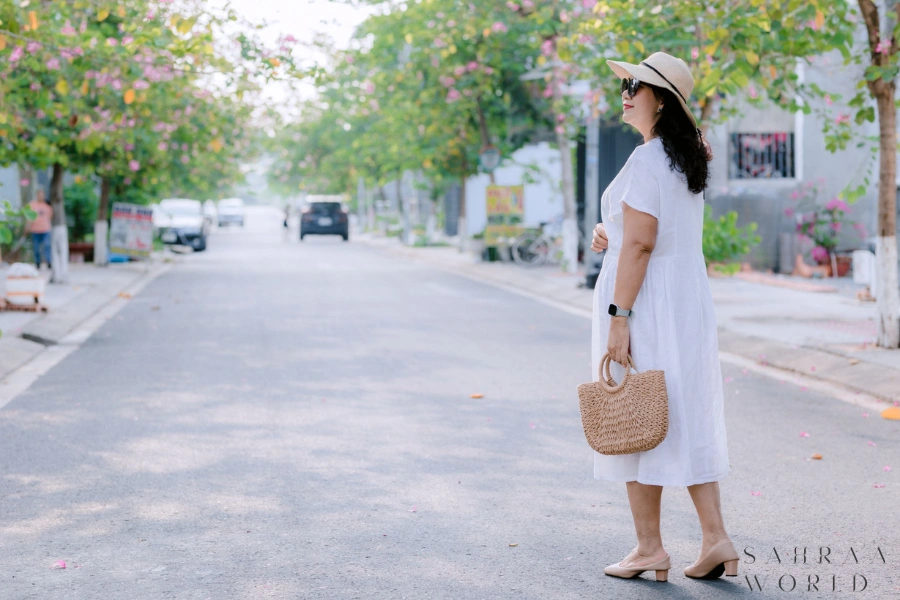
Introduction
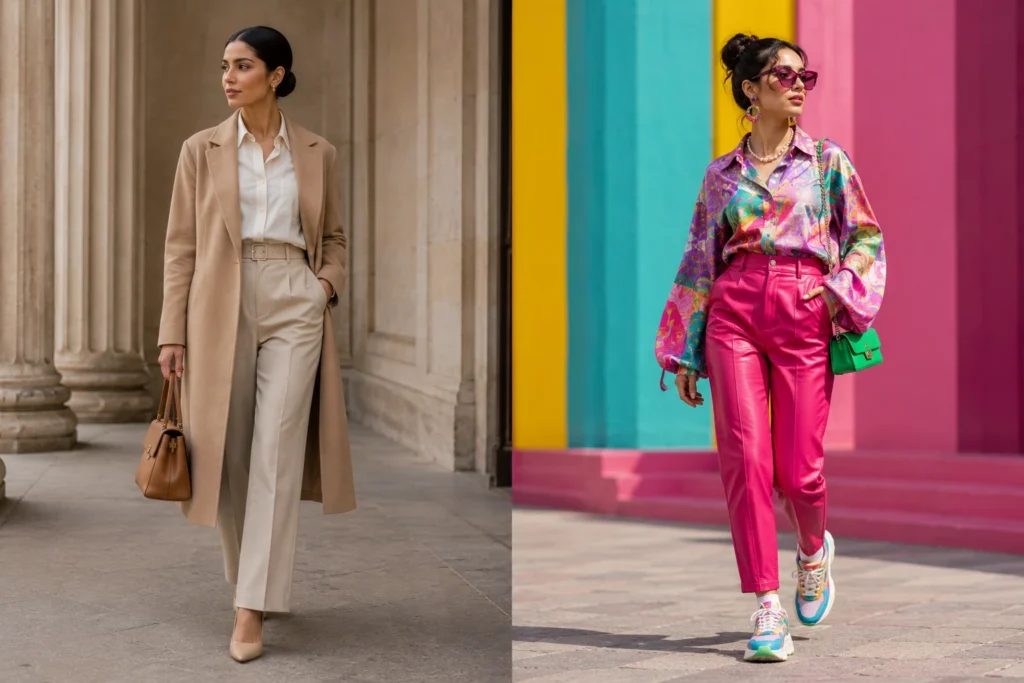
Knowing how to dress for your body type is one of the most valuable fashion skills you can learn. Have you ever admired someone’s outfit and wondered why it looked effortlessly stylish on them—but didn’t have the same effect when you tried something similar? In most cases, the answer isn’t the brand, the price, or even the latest fashion trend. It’s choosing clothing that complements your unique body type.
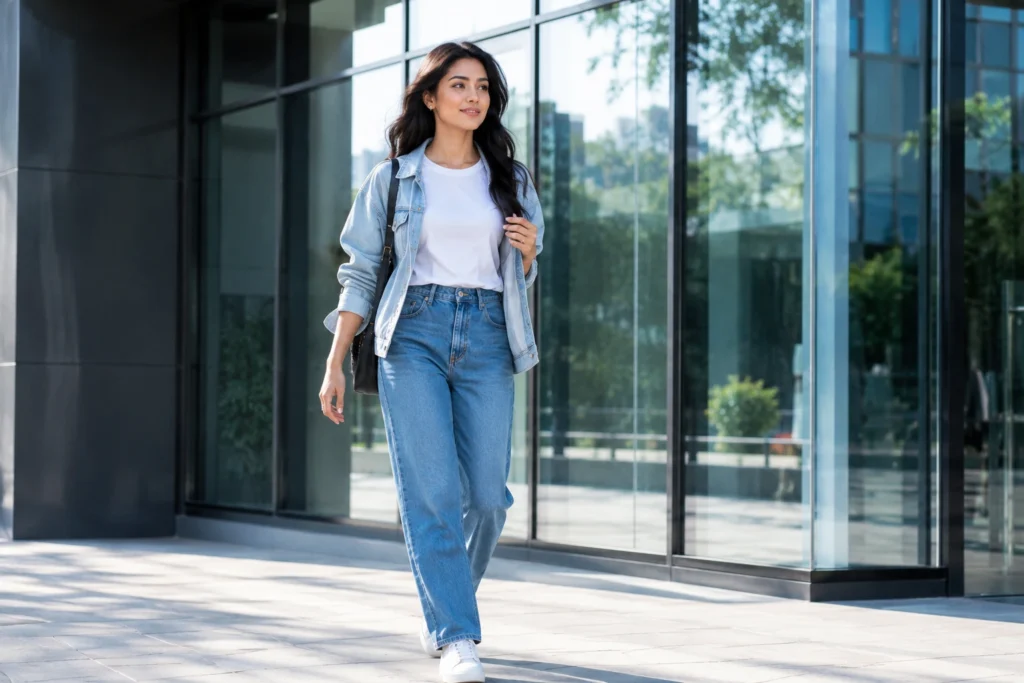
Understanding how to dress for your body type is one of the most valuable fashion skills you can develop. Rather than following every trend, dressing according to your natural proportions helps create balanced silhouettes, enhances confidence, and ensures your clothes work with your body instead of against it.
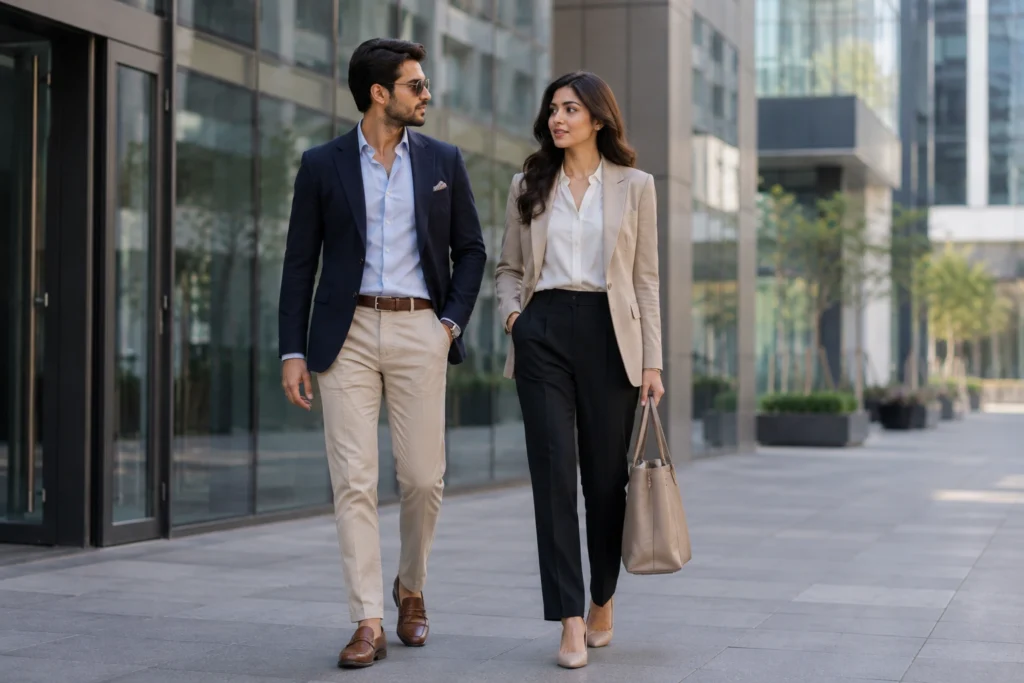
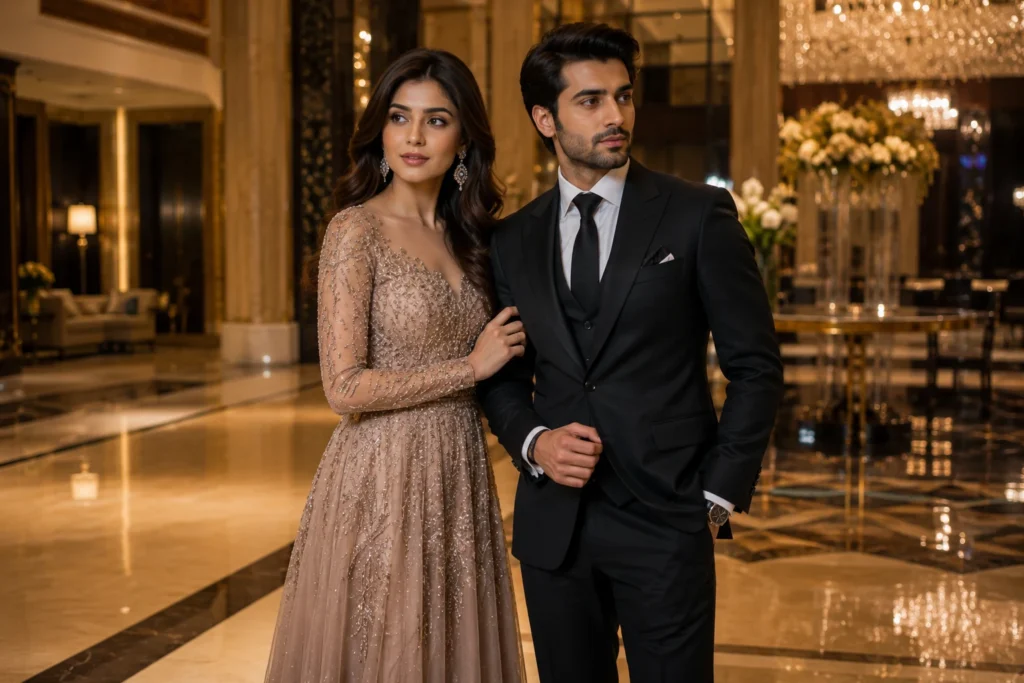
Whether you’re shopping for everyday essentials, preparing for work, attending a wedding, or building a timeless capsule wardrobe, selecting clothing that flatters your body shape can completely transform your personal style.
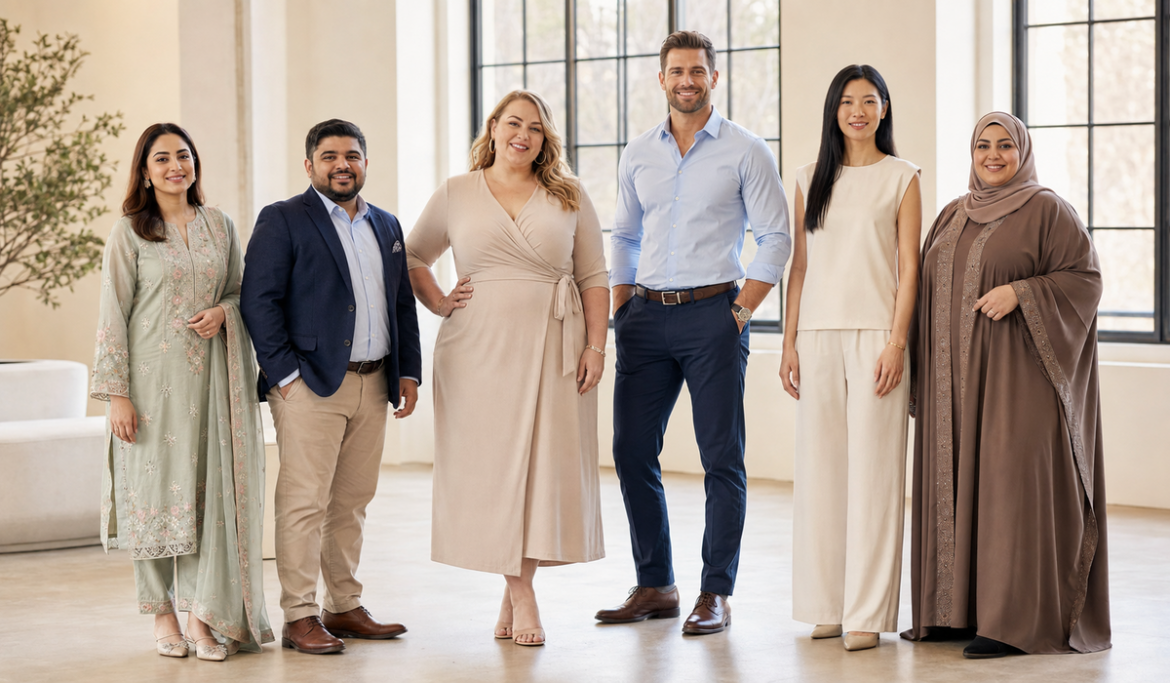
One of the biggest misconceptions in fashion is that certain body types are “better” than others. In reality, there is no perfect body shape. Every figure has its own strengths, and professional stylists focus on highlighting those strengths through thoughtful choices in fit, fabric, colour, proportion, and accessories.
In this comprehensive guide, you’ll learn how to identify your body type, understand the styling principles behind flattering outfits, and discover practical recommendations for both men and women. We’ll also explore how colours, fabrics, patterns, tailoring, and accessories influence visual proportions, helping you build a wardrobe that feels comfortable, confident, and authentically yours.
Whether you prefer Western fashion, Pakistani ready-to-wear collections, traditional Asian attire, or a combination of modern and classic styles, this guide will help you make smarter fashion choices for every season and every occasion.
Quick Answer
Knowing how to dress for your body type helps create balanced proportions, improves confidence, and makes clothing more flattering. By understanding your natural body shape and choosing the right fits, fabrics, colours, and silhouettes, you can build a timeless wardrobe that works for every occasion.
How do you Dress for Your Body Type: Why It Matters
Learning how to dress for your body type helps you make smarter clothing choices instead of relying on fashion trends alone. Once you understand your natural proportions, selecting flattering outfits becomes much easier for work, casual wear, special occasions, and everyday confidence.
However, fashion is often associated with trends, luxury brands, or celebrity inspiration. Experienced stylists know that the foundation of great style is much simpler: wearing clothes that complement your natural proportions.
So, hw to Dress for Your Body Type? When garments fit your body shape correctly, they create harmony between your shoulders, waist, hips, and overall silhouette. Instead of drawing attention to areas you may feel less confident about, well-chosen clothing naturally directs attention toward your strongest features.
For example, two people can wear the same outfit in completely different ways. A structured blazer that creates definition for one individual may feel restrictive or unbalanced on another. Similarly, a flowing maxi dress, tailored kurta, straight-cut shalwar kameez, or oversized linen shirt may flatter one body type while appearing less proportionate on someone else.
The secret isn’t changing your body—it’s understanding how clothing interacts with it.
Dressing Well Improves Confidence
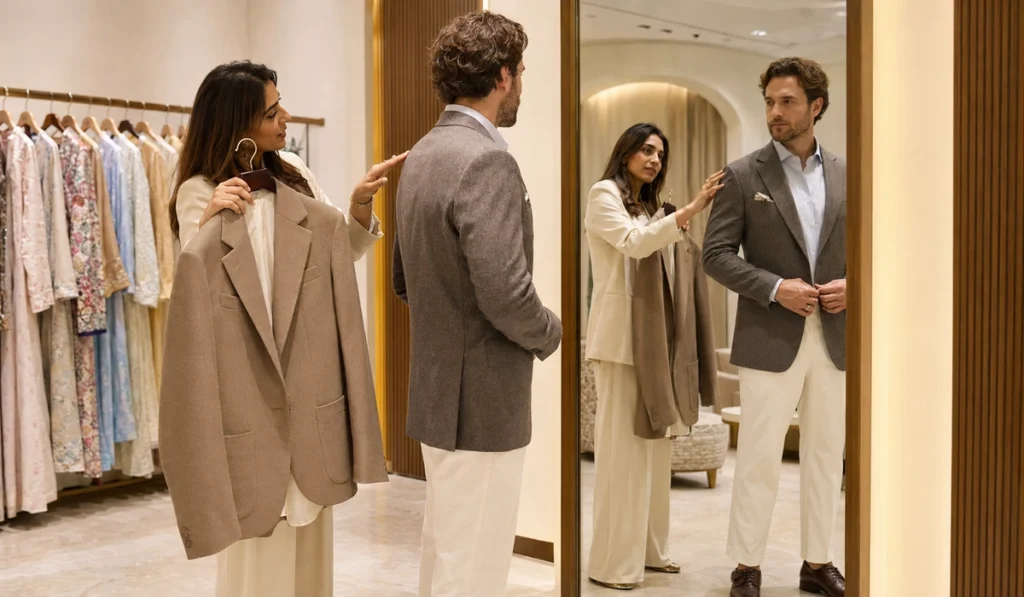
The psychological impact of clothing extends beyond appearance. Research in fashion psychology suggests that what we wear influences not only how others perceive us but also how we perceive ourselves. Clothes that fit properly often improve posture, confidence, and overall self-image.
Whether you’re attending a business meeting in London, a university lecture in Karachi, a wedding in Lahore, a formal dinner in Dubai, or a casual brunch in New York, dressing for your body type helps you feel comfortable and appropriately dressed for the occasion.
Better Fit Means Better Style
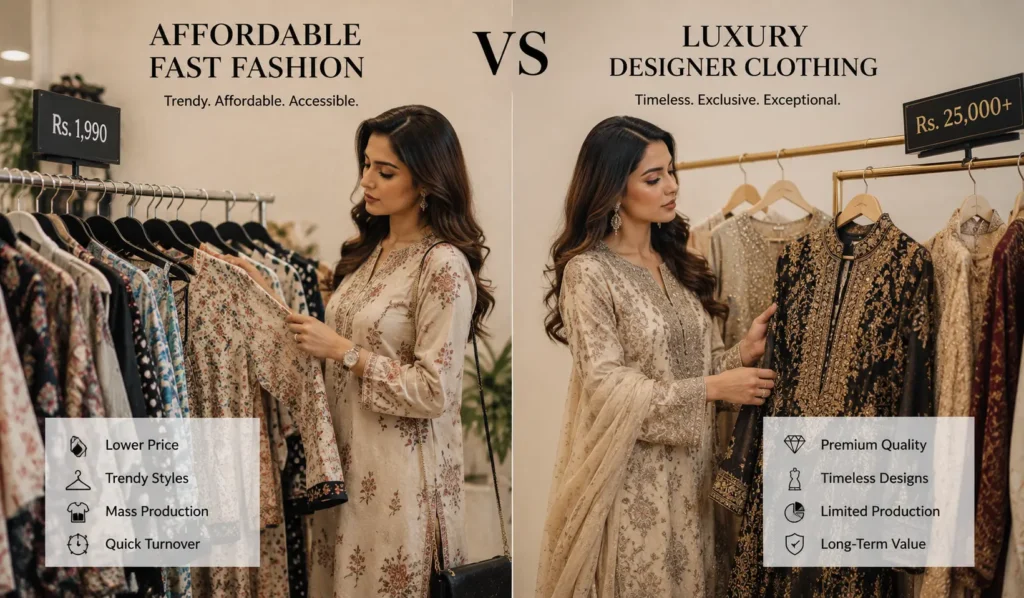
Many people believe expensive clothing automatically looks better. In reality, proper fit almost always matters more than designer labels.
A well-fitted affordable outfit often appears more polished than an expensive garment that doesn’t suit the wearer’s proportions.
This is why tailoring plays such an important role in fashion around the world. Minor adjustments—such as shortening sleeves, adjusting trouser length, defining the waist, or improving shoulder fit—can dramatically improve how clothing looks.
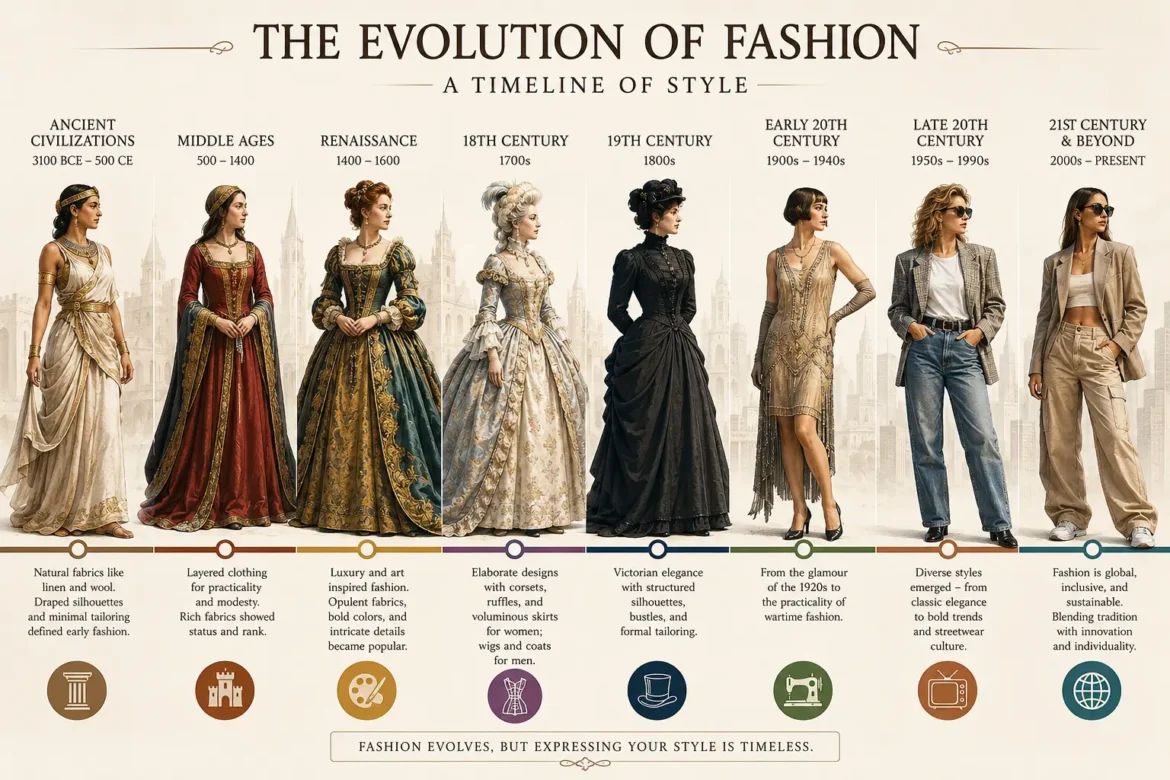
Fashion Trends Come and Go, Body Proportions Stay the Same
Every year introduces new trends, colours, silhouettes, and seasonal collections. While experimenting with fashion is enjoyable, not every trend complements every body type.
Understanding your proportions allows you to adapt trends rather than follow them blindly. Instead of buying clothes simply because they’re popular, you can choose versions that enhance your own figure while maintaining your personal style.
This approach leads to a wardrobe that’s more versatile, more sustainable, and far more satisfying to wear over time.
How to Dress for Your Body Type: Identify Your Shape
Before exploring different styling techniques, remember that how to dress for your body type always begins with understanding your own body shape rather than comparing yourself with others.
Many people guess incorrectly because they focus only on weight or clothing size. However, body type has very little to do with whether you’re slim, athletic, curvy, petite, or plus-size. Instead, it is determined by the natural relationship between your shoulders, waist, and hips.
For example, two women may both wear a medium size, yet one may have an hourglass figure while the other has a rectangle shape. Similarly, two men of the same height may have completely different shoulder widths, waistlines, and overall proportions.
The good news is that identifying your body type only takes a few minutes.
Step 1: Wear Fitted Clothing
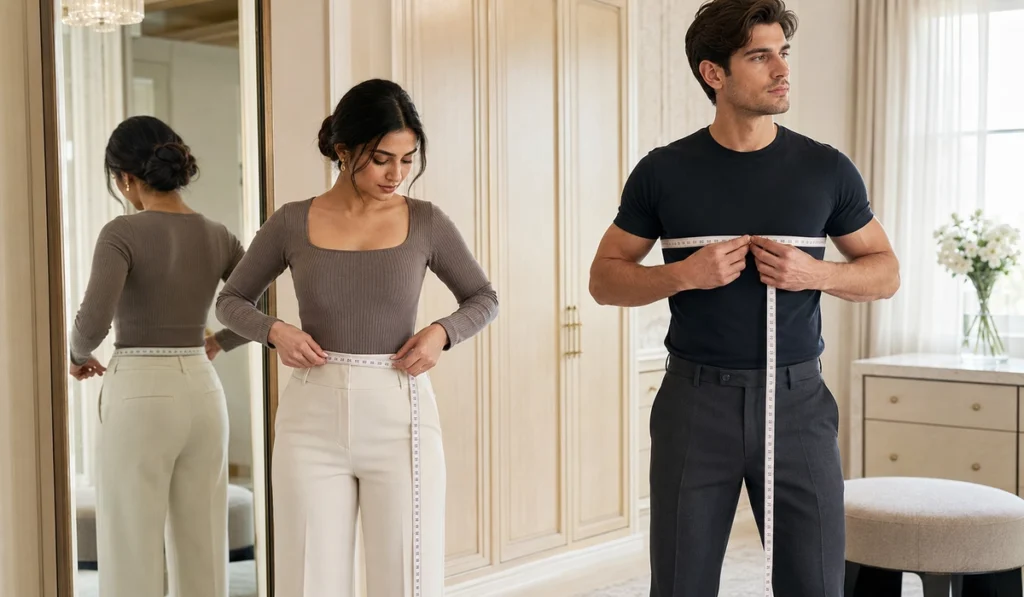
Choose clothing that follows your body’s natural outline.
Avoid:
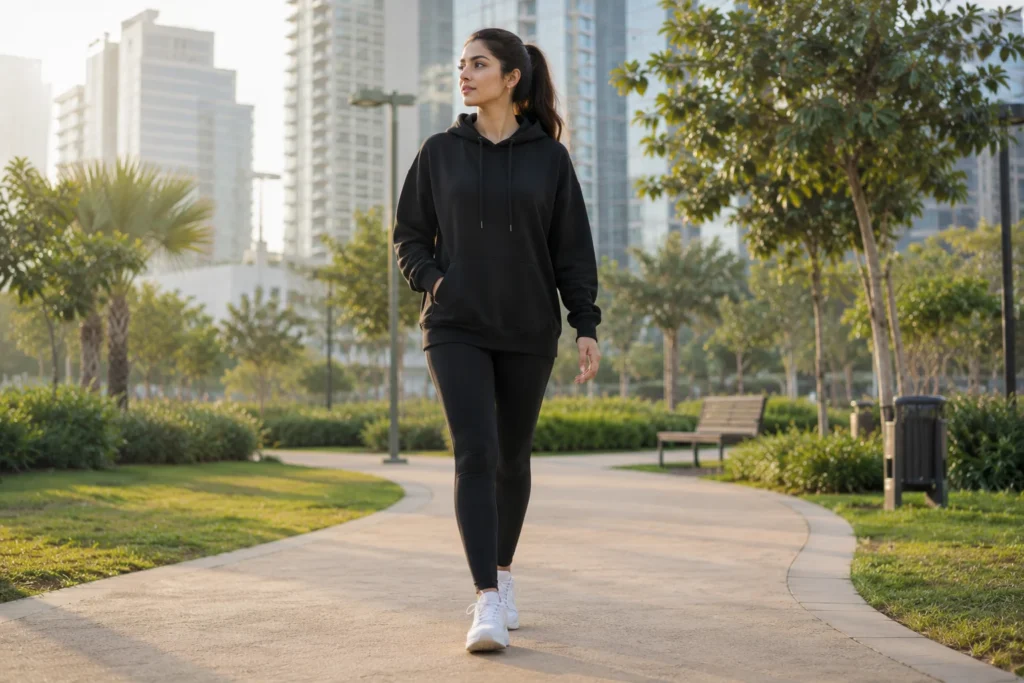
- Oversized hoodies
- Loose jackets
- Bulky sweaters
- Heavy outerwear
Instead, wear:
- A fitted T-shirt
- Leggings or slim trousers
- Activewear
- A body-skimming dress
- Well-fitted shalwar kameez or kurta if you’re measuring in traditional clothing
The more accurately you can see your natural silhouette, the easier it becomes to identify your body shape.
Step 2: Measure Three Key Areas
Using a soft measuring tape, measure these three areas.
Shoulders
Measure around the widest part of your shoulders.
Bust or Chest
Women should measure around the fullest part of the bust.
Men should measure around the fullest part of the chest.
Waist
Measure the narrowest part of your torso.
Usually, this sits just above your belly button and below your rib cage.
Do not pull the measuring tape too tightly.
Hips
Stand with your feet together and measure around the fullest part of your hips and hips/seat.
Step 3: Compare Your Measurements
Now compare the proportions.
Ask yourself:
- Are your shoulders wider than your hips?
- Is your waist clearly defined?
- Are your hips wider than your shoulders?
- Are your shoulders and hips nearly the same width?
These simple comparisons usually reveal your body type.
Stand Naturally in Front of a Mirror
Measurements are helpful, but your mirror often confirms what the tape measure cannot.
Stand in front of a full-length mirror with your arms relaxed at your sides.
Avoid:
- Holding your stomach in
- Tilting your hips
- Leaning on one leg
- Wearing bulky clothing
Look at your body’s overall outline rather than individual features.
Professional stylists focus on proportions instead of body size.
Common Female Body Types
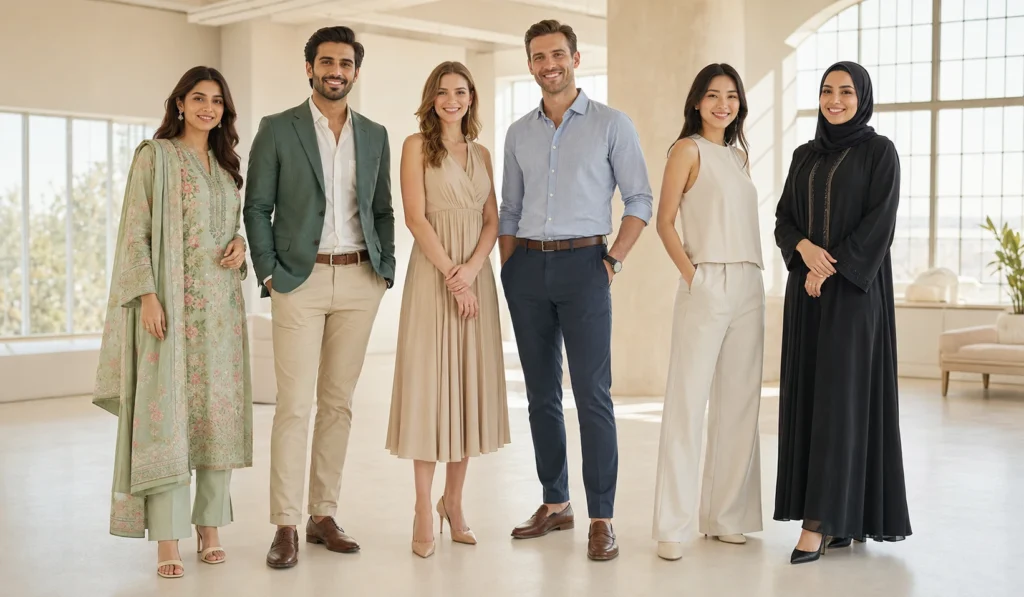
Although every woman is unique, most body shapes fall into five broad categories.
Understanding these shapes helps you choose clothing that creates visual balance without trying to change your natural figure.
The five most common female body types are:
Hourglass
Balanced shoulders and hips with a naturally defined waist.
Often considered the easiest body shape to style because many silhouettes complement its balanced proportions.
Pear (Triangle)
Hips are wider than shoulders.
The lower body is more prominent, while the upper body appears narrower.
This is one of the most common body types worldwide, including among South Asian women.
Apple (Round)
The upper body appears fuller than the hips.
Weight is often carried around the midsection.
Many women naturally develop this shape with age or after pregnancy.
Rectangle
Shoulders, waist, and hips have similar measurements.
The body appears straight with fewer natural curves.
Many fashion models and athletes naturally have this shape.
Inverted Triangle
Shoulders are broader than hips.
Often seen among swimmers, athletes, and women with naturally strong upper bodies.
The goal is usually to create more balance between the upper and lower body.
Common Male Body Types
Men also have distinct body shapes, although they are discussed less frequently.
Understanding your proportions helps you choose jackets, shirts, trousers, and suits that create a stronger silhouette.
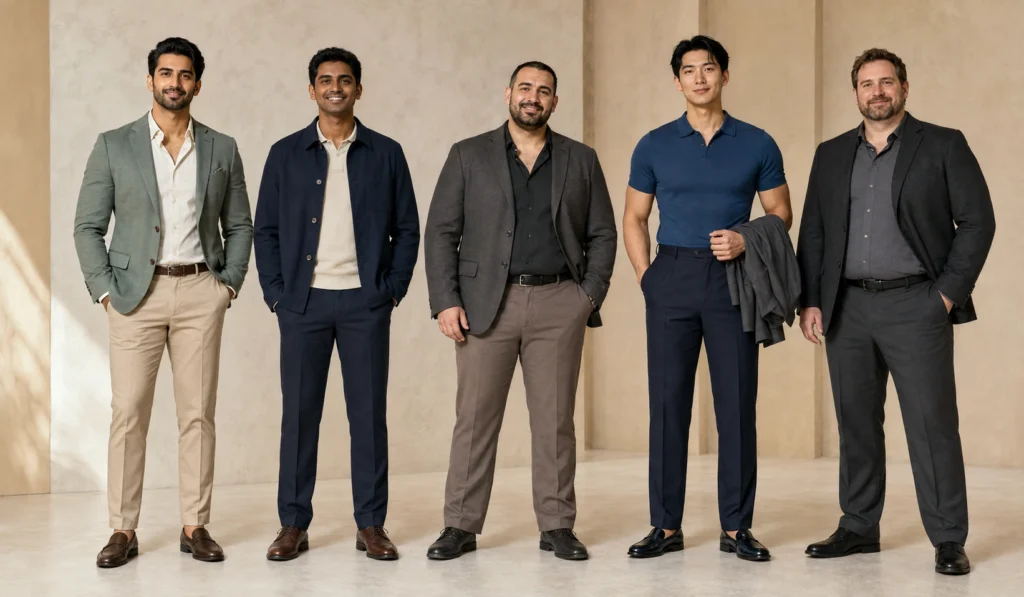
The five most common male body types include:
Trapezoid
Broad shoulders with a slightly narrower waist.
Often considered the classic balanced male physique.
Most ready-to-wear menswear is designed around this shape.
Rectangle
Shoulders and waist are almost the same width.
Creating additional shoulder definition usually improves overall balance.
Triangle
Waist and hips appear wider than shoulders.
Strategic layering and structured jackets can help create a more balanced appearance.
Inverted Triangle
Broad shoulders and chest with a noticeably narrower waist.
Common among athletes and gym enthusiasts.
The challenge is avoiding clothing that exaggerates shoulder width.
Oval
The midsection is fuller than the shoulders and hips.
Well-tailored clothing, vertical lines, and structured outerwear often create a cleaner silhouette.
Expert Tip from SahraaWorld
Don’t worry if your body doesn’t perfectly match one category.
Most people have a combination of two body shapes. For example:
- A woman may be mostly pear-shaped with slight hourglass proportions.
- A man may have a rectangle frame with athletic shoulders.
- Body proportions may also change slightly with age, fitness levels, or lifestyle.
Rather than chasing labels, use body-type guidelines as a practical styling tool to make smarter wardrobe choices.
How to Dress for Different Female Body Types
Every recommendation in this guide is designed to show how to dress for your body type while respecting your personal style, cultural preferences, and daily lifestyle.
Whether you prefer contemporary Western fashion, elegant Pakistani Ready-to-Wear collections, traditional South Asian attire, or modest fashion, the same styling principles apply. Choosing the right silhouettes, fabrics, colours, and proportions helps create a naturally flattering appearance.
Hourglass Body Shape
The hourglass figure is characterised by balanced shoulders and hips with a naturally defined waist. Because the body’s proportions are already well balanced, the main styling objective is to enhance the waistline without hiding your natural silhouette.
Best Clothing Choices
Women with an hourglass figure usually look great in:
- Wrap dresses
- Belted dresses and coats
- Tailored blazers
- High-waisted trousers
- Pencil skirts
- Straight-cut Pakistani lawn suits with lightly defined waists
- Structured saree blouses
- Tailored kurtas with side slits
These garments naturally highlight balanced proportions while maintaining elegance.
Fabrics
Choose fabrics that gently follow the body’s natural shape.
Examples include:
- Premium cotton
- Linen blends
- Silk
- Chiffon
- Crepe
- Lightweight lawn
- Soft georgette
Avoid excessively bulky fabrics that hide the waistline.
Avoid
- Oversized shapeless clothing
- Extremely loose dresses
- Heavy boxy jackets
- Wide tops without waist definition
Pear (Triangle) Body Shape
A pear-shaped body features hips that are wider than the shoulders. This is one of the most common body types among women worldwide, including many South Asian women.
The styling goal is to create visual balance by drawing attention upward while maintaining comfortable proportions.
Best Clothing Choices
Choose:
- Statement necklines
- Puff sleeves
- Boat necks
- Structured shoulders
- Light-coloured tops
- Dark-coloured trousers or skirts
- A-line dresses
- Straight trousers
- Pakistani kurtas with embroidered necklines
- Dupattas styled around the shoulders
- Jackets ending above the hips
These pieces naturally balance upper and lower body proportions.
Fabrics
The upper body can handle:
- Organza
- Textured cotton
- Light embellishments
- Printed fabrics
The lower body usually looks best in:
- Matte fabrics
- Straight silhouettes
- Minimal detailing
Avoid
- Cargo trousers with oversized side pockets
- Large hip embellishments
- Very tight skinny trousers paired with oversized hips
- Heavy embroidery concentrated around the hip area
Apple (Round) Body Shape
Women with an apple body shape often have broader shoulders and carry more volume around the waist while maintaining comparatively slimmer legs.
Rather than trying to conceal the body, styling should create a longer vertical line and gently define the waist.
Best Clothing Choices
Recommended pieces include:
- V-neck tops
- Empire waist dresses
- Longline blazers
- Open-front jackets
- Straight trousers
- Wide-leg trousers
- Monochromatic outfits
- Pakistani straight shirts with cigarette trousers
- Long open abayas with structured inner layers
These outfits help create elegant proportions without adding unnecessary bulk.
Fabrics
Choose lightweight fabrics that drape naturally.
Examples:
- Crepe
- Lawn
- Chiffon
- Soft cotton
- Linen blends
Avoid overly stiff materials around the midsection.
Avoid
- Thick belts around the waist
- Cropped jackets ending at the stomach
- Horizontal stripes across the midsection
- Extremely clingy fabrics
Rectangle Body Shape
Women with a rectangle body shape have similar shoulder, waist, and hip measurements.
The styling objective is to create the appearance of gentle curves through thoughtful outfit construction.
Best Clothing Choices
Excellent choices include:
- Peplum tops
- Wrap dresses
- Layered outfits
- Belted blazers
- High-rise jeans
- Flared skirts
- Co-ord sets with waist definition
- Pakistani frocks with fitted bodices
- Anarkali suits
- Jackets with structured shoulders
These styles create natural dimension without appearing forced.
Fabrics
Choose fabrics with movement.
Good examples include:
- Silk
- Chiffon
- Soft lawn
- Crepe
- Lightweight wool blends
Avoid
- Box-shaped dresses
- Straight oversized shirts
- Extremely loose tailoring
- Shapeless maxi dresses
Inverted Triangle Body Shape
Women with an inverted triangle shape have shoulders that appear wider than their hips.
This body type is common among athletes, swimmers, and women with naturally broader upper bodies.
The goal is to soften the shoulders while adding visual balance to the lower half.
Best Clothing Choices
Recommended options include:
- A-line skirts
- Wide-leg trousers
- Palazzo trousers
- Flared dresses
- Printed trousers
- Straight Pakistani trousers with embroidered hems
- Long flowing skirts
- Dresses with fuller lower silhouettes
Necklines
Choose:
- Scoop necks
- V-necks
- Soft rounded necklines
Avoid extremely wide boat necks if you wish to minimise shoulder width.
Avoid
- Strong shoulder padding
- Large puff sleeves
- Heavy embellishment around the shoulders
- High necklines combined with structured jackets
Universal Styling Tips for Every Woman
Regardless of body shape, several styling principles work almost universally.
Focus on Proper Fit
An affordable outfit that fits well almost always looks more elegant than an expensive garment with poor proportions.
Tailoring Makes a Difference
Simple alterations—such as shortening sleeves, adjusting trouser hems, or refining the waist—can significantly improve how clothing looks and feels.
Choose Comfortable Fabrics
Comfort contributes to confidence. Breathable fabrics like premium cotton, lawn, linen, and lightweight blends are particularly well suited to warmer climates such as Pakistan, India, the Middle East, and many tropical regions.
Balance Trends with Timeless Pieces
Fashion trends change every season, but well-fitting wardrobe essentials remain stylish year after year. Build your wardrobe around timeless basics, then introduce seasonal colours, prints, or accessories to refresh your look.
Styling Note for Pakistani & South Asian Readers
Traditional clothing can be just as flattering as Western fashion when chosen with your body type in mind.
For example:
- Pear-shaped women often look elegant in straight-cut kurtas with detailed necklines and lightly embellished dupattas.
- Hourglass figures suit tailored lawn suits, belted long shirts, and fitted waistcoats.
- Apple body shapes generally benefit from longer straight shirts paired with cigarette trousers.
- Rectangle body types can create more definition with Anarkali suits, peplum kurtis, or belted silhouettes.
- Inverted triangle body shapes often achieve better balance with flowing ghararas, wide-leg trousers, or A-line shirts that add proportion to the lower body.
These recommendations aren’t strict rules—they’re practical guidelines to help you choose outfits that feel balanced, comfortable, and authentic to your personal style.
Likewise, men benefit from understanding their body proportions before investing in new clothing.
How to Dress for Different Male Body Types
Men who understand how to dress for your body type often build more versatile wardrobes because they choose clothing that complements their proportions rather than following every passing trend.
Understanding how to dress for your body type is just as important for men as it is for women. While menswear often appears simpler, choosing the right fit, silhouette, and proportions can dramatically improve your overall appearance.
Whether you prefer classic business suits, smart casual outfits, luxury tailoring, traditional Pakistani shalwar kameez, or modern Asian fashion, the goal remains the same: create a balanced silhouette that complements your natural body shape.
Rather than chasing every fashion trend, focus on clothing that enhances your proportions and allows you to feel confident in every setting.
Trapezoid Body Shape
The trapezoid body shape is considered one of the most balanced male physiques. Shoulders are naturally broader than the waist, creating a proportional silhouette that suits most clothing styles.
The objective isn’t to change your shape but to maintain its natural balance.
Best Clothing Choices
Men with a trapezoid body type usually look excellent in:
- Tailored suits
- Slim-fit shirts
- Polo shirts
- Oxford shirts
- Chinos
- Straight-leg trousers
- Well-fitted jeans
- Structured blazers
- Pakistani tailored kurtas
- Waistcoats
- Sherwanis with clean tailoring
Because this body type is already proportionate, almost every classic menswear silhouette works well.
Fabrics
Choose premium-quality fabrics such as:
- Linen
- Cotton
- Wool blends
- Tropical wool
- Premium lawn (for kurtas)
- Chambray
These fabrics maintain structure without adding unnecessary bulk.
Avoid
- Extremely oversized clothing
- Skin-tight shirts
- Excessively long jackets
- Baggy trousers
Rectangle Body Shape
Men with a rectangle body shape have shoulders and waist that are similar in width, creating a straighter silhouette.
The styling objective is to create the appearance of broader shoulders and a more defined upper body.
Best Clothing Choices
Choose:
- Structured blazers
- Layered outfits
- Bomber jackets
- Overshirts
- Polo shirts
- Crew-neck sweaters
- Straight chinos
- Pakistani kurtas with waistcoats
- Jackets with structured shoulders
These pieces naturally add dimension to the upper body.
Patterns
This body type suits:
- Horizontal chest stripes
- Layering
- Textured fabrics
- Shoulder detailing
These features create visual width where needed.
Avoid
- Extremely loose shirts
- Skinny trousers paired with oversized tops
- Long shapeless jackets
Triangle Body Shape
The triangle body shape features shoulders that are slightly narrower than the waist and hips.
Many men naturally develop this shape with age, reduced physical activity, or changes in weight.
The styling goal is to broaden the upper body visually while creating a cleaner overall silhouette.
Best Clothing Choices
Recommended options include:
- Structured blazers
- Dark trousers
- Layered shirts
- Sport coats
- Jackets with defined shoulders
- Straight Pakistani kurtas
- Nehru jackets
- Waistcoats
- Vertical plackets on kurtas
These garments shift visual attention upward. Furthermore, fabric texture, colour, and pattern can completely change how an outfit appears on different body shapes.
Colours
Use:
- Lighter colours on top
- Darker colours on the lower body
This simple contrast helps balance proportions.
Avoid
- Tight trousers
- Bulky pockets around the hips
- Short jackets ending at the widest part of the waist
Inverted Triangle Body Shape
Men with broad shoulders and a narrow waist often have an athletic physique.
Although many people consider this an ideal body type, styling should focus on maintaining balance rather than exaggerating shoulder width.
Best Clothing Choices
Choose:
- Straight-fit shirts
- Classic blazers
- Relaxed chinos
- Tailored trousers
- Linen shirts
- Pakistani straight kurtas
- Minimalist sherwanis
- Smart casual overshirts
Fabrics
Lightweight fabrics work particularly well.
Examples include:
- Linen
- Cotton
- Tropical wool
- Lightweight denim
Avoid
- Heavy shoulder padding
- Very tight muscle-fit shirts
- Extremely narrow trousers that make the upper body appear even wider
Oval Body Shape
Men with an oval body shape typically carry more weight around the midsection while maintaining comparatively slimmer shoulders and legs.
The objective is to create longer vertical lines and reduce unnecessary bulk.
Best Clothing Choices
Recommended options include:
- Single-breasted blazers
- Straight trousers
- Dark denim
- Vertical stripes
- Monochromatic outfits
- Long Pakistani kurtas
- Dark-coloured waistcoats
- Open-front jackets
These pieces create a cleaner, more streamlined silhouette.
Fabrics
Choose fabrics that drape naturally.
Examples:
- Cotton
- Linen blends
- Wool blends
- Lightweight khaddar (cooler seasons)
Avoid thick padded fabrics around the waist.
Avoid
- Horizontal stripes
- Tight T-shirts
- Oversized hoodies
- Very shiny fabrics around the stomach area
Next, compare your measurements to the common body shape categories below.
Colours, Patterns, and Fabrics for Different Body Types
The colours, prints, and fabrics you choose can significantly influence how your body proportions appear. While clothing cannot change your body shape, thoughtful styling can create visual balance and enhance your strongest features.
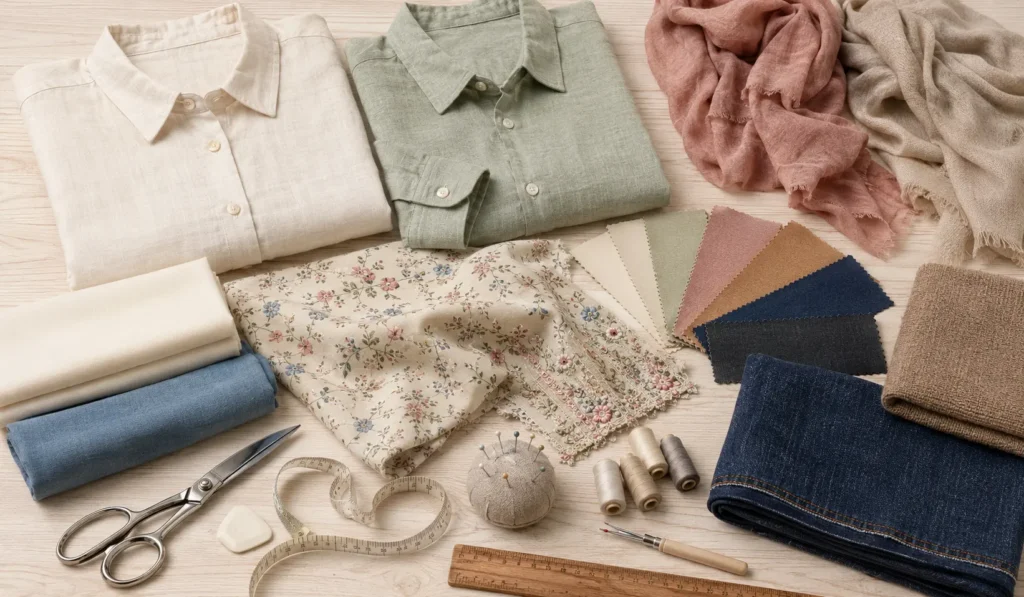
Colours
Generally:
- Dark colours create a slimming effect.
- Light colours draw attention and add visual width.
- Monochromatic outfits create a longer, more streamlined silhouette.
- Contrasting colours can emphasise specific areas of the body.
For example:
- Pear-shaped women often benefit from lighter tops paired with darker bottoms.
- Men with triangle body shapes can create better balance by wearing brighter colours on the upper body.
- Individuals with apple or oval body types often find that monochromatic outfits produce a more elongated appearance.
Patterns
Patterns influence perception just as much as colours.
- Vertical stripes create the illusion of height.
- Small prints generally appear more refined and balanced.
- Large prints naturally attract attention.
- Strategic placement of patterns can shift focus toward or away from particular areas.
Fabrics
Fabric weight also affects silhouette.
Lightweight fabrics such as linen, premium cotton, lawn, and soft crepe follow the body’s natural lines, while heavier fabrics create additional structure and volume.
For warmer climates such as Pakistan, India, the Middle East, Southeast Asia, and many tropical regions, breathable fabrics improve both comfort and appearance throughout the year.
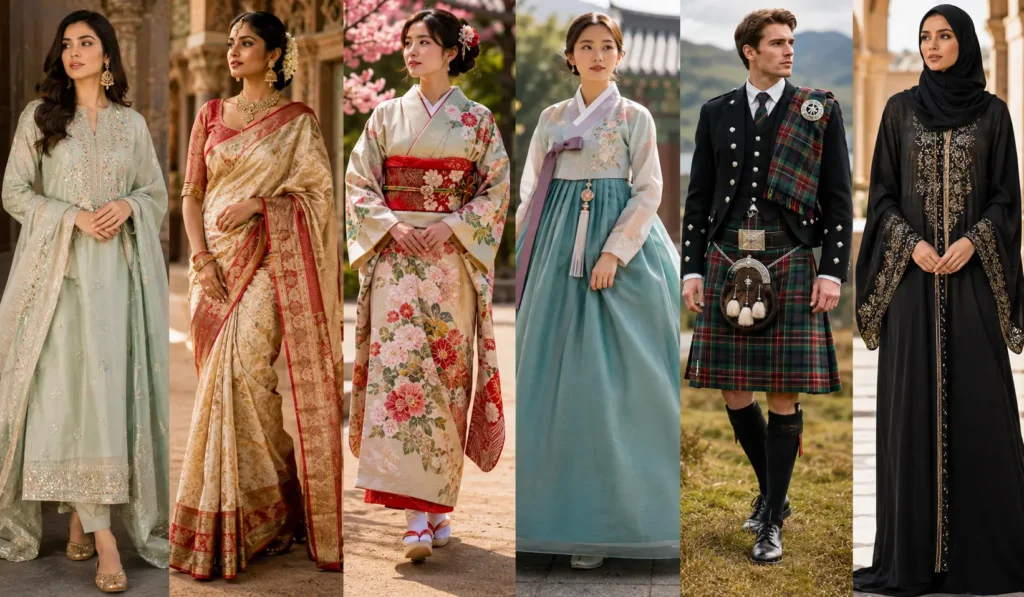
Body Type Styling Across Different Cultures
Although body proportions are universal, fashion traditions vary widely across the world.
For example:
- In Pakistan, straight-cut lawn suits, tailored kurtas, waistcoats, and elegant dupatta styling can be adapted to flatter different body shapes.
- Across India, sarees, lehengas, kurtas, and Nehru jackets can be styled to create balanced proportions through draping and tailoring.
- In the Middle East, flowing abayas, kaftans, and thobes can be paired with structured layers or belts for additional definition.
- In Europe and North America, blazers, denim, knitwear, and smart casual tailoring often provide the flexibility to create flattering silhouettes.
- In East Asia, minimalist tailoring, clean lines, and well-fitted silhouettes are popular for creating a polished, balanced appearance.
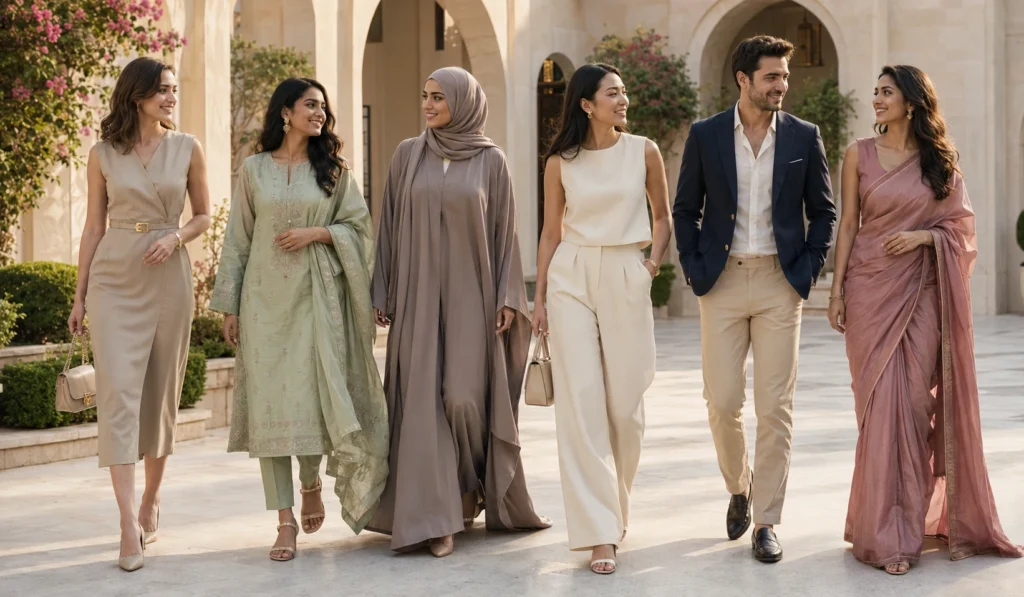
Regardless of cultural background or personal style, the same principle applies: understanding your body type helps you choose clothing that feels comfortable, enhances your confidence, and expresses your individuality. Unfortunately, many people focus only on trends instead of choosing clothes that fit their proportions.
How to Dress for Your Body Type Without Common Mistakes
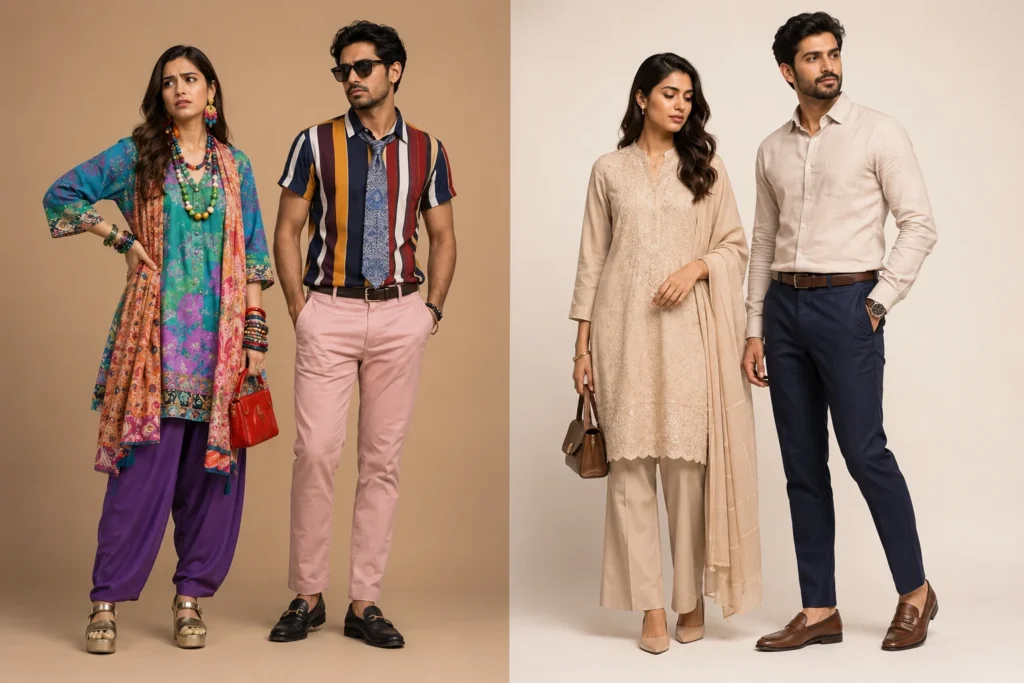
Even expensive clothing cannot compensate for poor fit or unbalanced proportions. One of the biggest styling mistakes people make is following trends without considering whether those trends complement their body shape.
Avoiding a few common mistakes can dramatically improve your overall appearance while helping you build a wardrobe that feels both stylish and comfortable.
Ignoring Proper Fit
Many people assume that buying a larger or smaller size will improve how clothes look.
In reality:
- Clothing that is too tight highlights areas you may prefer to soften.
- Clothing that is too loose often hides your natural proportions and creates a bulky silhouette.
The best solution is choosing garments that fit comfortably and tailoring them where necessary.
Copying Celebrity Styles Without Adaptation
Celebrities have different body proportions, professional stylists, and custom-made clothing.
Instead of copying an outfit exactly, ask yourself:
- Does this silhouette suit my body type?
- Will these colours flatter me?
- Does this outfit match my lifestyle?
- Can I recreate this look using clothing that fits me properly?
Fashion inspiration should guide your choices—not replace your personal style.
Wearing the Wrong Length
Length matters more than many people realise.
Examples include:
- Blazers ending at the widest part of the hips.
- Cropped trousers that shorten the legs.
- Extremely long shirts that overwhelm petite frames.
- Oversized kurtas that hide natural proportions.
Choosing the correct length instantly improves balance.
Ignoring Fabric Weight
Heavy fabrics add volume.
Lightweight fabrics create movement.
For example:
Someone with a fuller body shape may find that stiff denim jackets or thick winter knits create unnecessary bulk, while lightweight linen, premium cotton, lawn, or soft wool blends provide a cleaner silhouette.
Following Every Trend
Oversized clothing.
Ultra-wide trousers.
Micro tops.
Extreme silhouettes.
These trends can look fashionable, but they don’t suit everyone.
Instead of asking,
“Is this trending?”
Ask,
“Does this flatter my body type?”
Timeless style almost always outlasts temporary fashion trends.
In addition, accessories play an important role in creating balanced visual proportions.
Accessories That Complement Your Body Type
Accessories are often underestimated, yet they play an important role in balancing proportions and completing an outfit.
Rather than simply decorating an outfit, accessories guide the eye and influence how your silhouette is perceived.
Necklaces
Long necklaces create vertical lines.
Short necklaces naturally draw attention toward the neckline.
Women with shorter necks often benefit from longer pendants, while statement necklaces can beautifully complement simpler outfits.
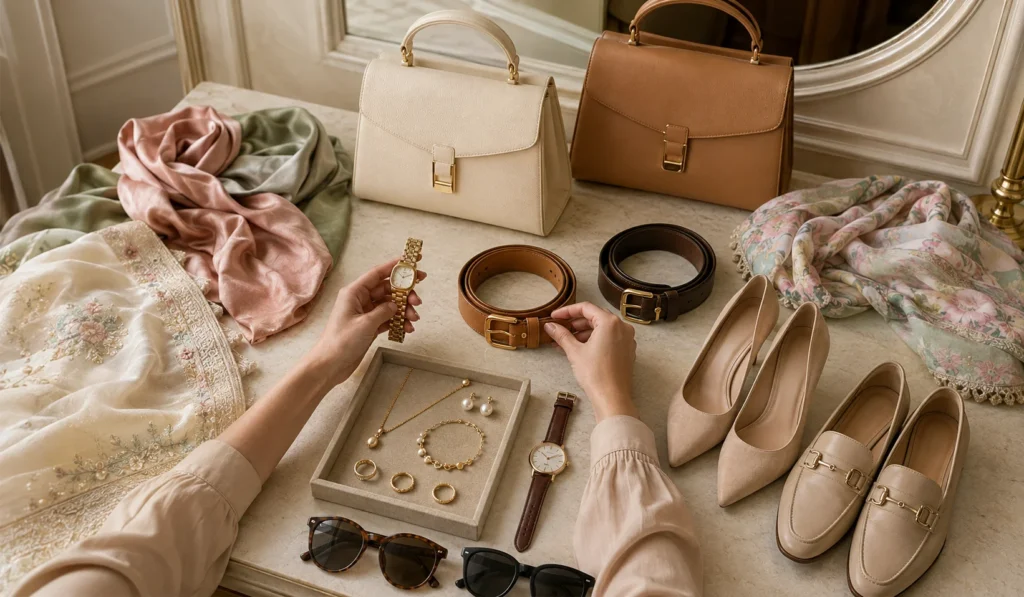
Belts
Belts are one of the easiest ways to define the waist.
For example:
- Hourglass figures often suit medium-width belts.
- Rectangle body types can create more waist definition with belts.
- Apple body shapes generally benefit from belts positioned slightly higher rather than directly around the widest part of the waist.
Scarves and Dupattas
For Pakistani and South Asian fashion, dupatta styling significantly affects overall proportions.
Examples include:
- Draping the dupatta over both shoulders creates symmetry.
- Styling it over one shoulder adds vertical movement.
- Lightweight fabrics create softer lines.
- Heavy embroidered dupattas naturally draw attention upward.
Similarly, scarves in Western fashion can create height, soften shoulders, or add colour without overwhelming the outfit.
Shoes
Footwear influences body proportions more than many people realise.
For example:
- Nude shoes often create the illusion of longer legs.
- Pointed-toe shoes visually elongate the feet.
- Chunky shoes add visual weight.
- Slim-profile footwear creates a lighter appearance.
Handbags
Bag size should complement your body proportions.
A petite person carrying an oversized tote may appear smaller, while a very small handbag can look disproportionate on a taller frame.
Choosing accessories in proportion to your height and build creates better visual harmony. As a result, building a wardrobe becomes much easier once you understand which clothing naturally complements your body type.
How to Dress for Your Body Type Every Day
Building a timeless wardrobe becomes much easier once you understand how to dress for your body type and invest in clothing that fits well and works together. Understanding your body type becomes far more valuable when you apply it to your everyday wardrobe.
Instead of filling your wardrobe with random purchases, focus on creating a collection of versatile, well-fitting pieces that work together effortlessly.
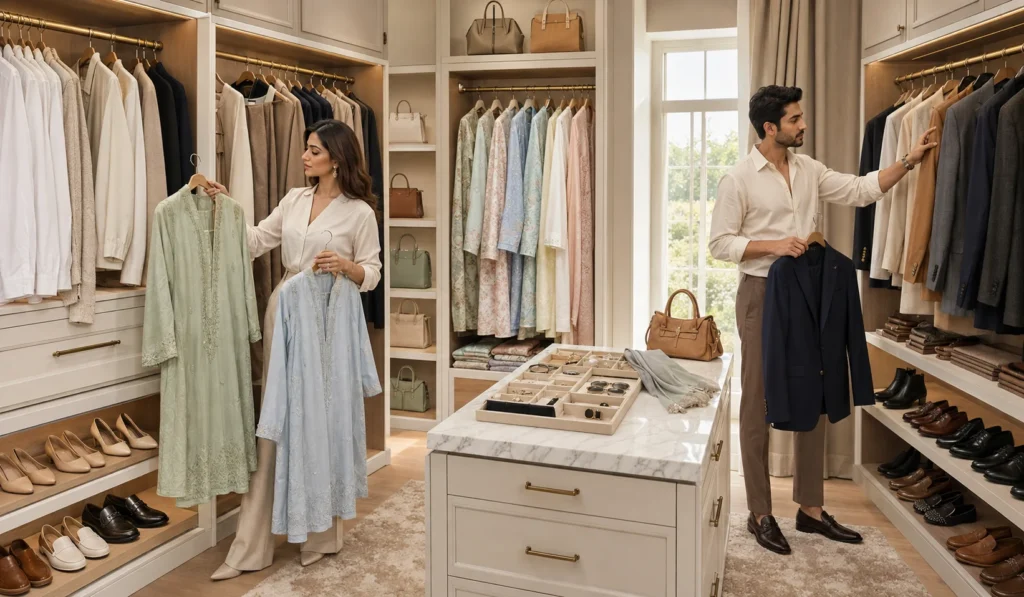
Start With Timeless Basics
Build your wardrobe around high-quality essentials such as:
Women
- White shirt
- Straight trousers
- Dark denim
- Tailored blazer
- Neutral dress
- Premium Pakistani lawn suit
- Comfortable flats
- White sneakers
Men
- Oxford shirt
- Navy blazer
- White T-shirt
- Chinos
- Dark jeans
- Tailored kurta
- Loafers
- White sneakers
These pieces remain stylish regardless of changing trends.
Buy Quality Instead of Quantity
One well-tailored jacket usually provides greater value than several poorly fitting alternatives.
Prioritise:
- Fit
- Fabric quality
- Versatility
- Comfort
- Durability
Rather than brand names alone.
Build Around Neutral Colours
Neutral colours make outfit planning significantly easier.
Examples include:
- White
- Black
- Navy
- Beige
- Olive
- Grey
- Cream
These colours pair effortlessly with seasonal accent shades.
Tailoring Is an Investment
Small adjustments often transform ordinary clothing into garments that look custom-made.
Simple alterations include:
- Shortening sleeves
- Adjusting trouser hems
- Defining the waist
- Improving shoulder fit
- Narrowing oversized shirts
Professional stylists frequently recommend tailoring because even premium clothing rarely fits every body perfectly straight off the rack.
Expert Styling Tips from SahraaWorld
After exploring different body shapes, one principle becomes clear: confidence doesn’t come from wearing the latest trend—it comes from wearing clothes that fit well, reflect your personality, and suit your lifestyle.
Keep these expert tips in mind:
- Dress for your proportions, not your clothing size.
- Prioritise fit before fashion trends.
- Build your wardrobe gradually instead of making impulse purchases.
- Choose breathable fabrics appropriate for your climate.
- Invest in tailoring whenever possible.
- Use colours and accessories to create visual balance.
- Don’t compare your body with others—focus on enhancing your own natural shape.
- Experiment with trends, but let timeless style form the foundation of your wardrobe.
- Confidence is your best accessory; clothing should support it, not define it.
Whether your wardrobe includes tailored suits, contemporary Western fashion, elegant Pakistani Ready-to-Wear collections, traditional South Asian attire, or modest fashion, understanding your body type allows you to make smarter, more confident styling decisions every day.
Frequently Asked Questions (FAQs)
How do I know my body type?
The easiest way to identify your body type is by comparing the proportions of your shoulders, waist, and hips. Stand naturally in front of a mirror, wear fitted clothing, and use a measuring tape to record your shoulder, bust or chest, waist, and hip measurements. Your body shape is determined by these proportions rather than your weight or clothing size.
Can my body type change over time?
Yes. While your bone structure remains largely the same, body proportions may change due to age, fitness, pregnancy, lifestyle, or weight fluctuations. Rather than chasing a specific body shape, regularly reassess your wardrobe to ensure your clothing continues to fit comfortably and flatter your current proportions.
Which clothes make you look taller?
Clothing that creates long, uninterrupted vertical lines generally makes you appear taller.
Examples include:
- Monochromatic outfits
- High-waisted trousers
- Straight-leg pants
- Vertical stripes
- Pointed-toe shoes
- Well-fitted jackets
- Tailored Pakistani straight-cut kurtas
- Longline coats
Avoid overly oversized clothing that visually shortens the body.
Which colours are most flattering for different body types?
There is no single “best” colour for every body type. However, darker colours usually create a slimming effect, while lighter shades naturally draw attention and add visual width.
Choosing colours should also consider your skin tone, personal style, the occasion, and the image you wish to project. Combining colour psychology with body-type styling often produces the most balanced results.
Is tailoring really worth it?
Absolutely.
Professional tailoring is one of the most effective ways to improve how clothing looks, regardless of your body shape.
Simple alterations such as:
- Adjusting sleeve length
- Shortening trousers
- Defining the waist
- Improving shoulder fit
can make affordable clothing look significantly more polished.
Similarly, Pakistani ready-to-wear collections can be styled using the same body-shape principles while respecting cultural preferences and modest fashion.
Can traditional Pakistani clothing flatter different body types?
Yes. Traditional Pakistani fashion offers a wide variety of silhouettes that suit different body shapes.
For example:
- Straight-cut kurtas often flatter pear and apple body types.
- Belted long shirts can beautifully complement hourglass figures.
- Anarkali suits help create curves for rectangle body types.
- Wide-leg trousers and ghararas add balance for inverted triangle figures.
The key is choosing the right cut, fabric, and proportion rather than following trends alone.
Should I follow fashion trends if they don’t suit my body type?
Fashion trends can be fun to experiment with, but they should never replace good fit and balanced styling.
Instead of copying trends exactly, adapt them to your body type. This approach helps you maintain a timeless wardrobe while still enjoying seasonal fashion updates.
Does body type matter more than clothing size?
Yes. Clothing size varies significantly between brands and countries, while body proportions remain a more reliable guide for choosing flattering outfits.
A well-fitted garment in the correct size almost always looks better than clothing chosen solely based on labels or trends.
Key Takeaways
If you remember only a few principles from this guide, make them these:
- Every body type is unique and deserves clothing that celebrates its natural proportions.
- Proper fit is more important than designer labels or fast-changing fashion trends.
- Colours, fabrics, patterns, and accessories all influence visual balance.
- Tailoring can dramatically improve the appearance of almost any outfit.
- Build your wardrobe around timeless essentials before adding seasonal trends.
- Traditional Pakistani, South Asian, Middle Eastern, and Western clothing can all be styled beautifully for different body types.
- Confidence comes from wearing clothes that fit well, feel comfortable, and reflect your personality—not from trying to imitate someone else’s style.
Ultimately, how to dress for your body type is not about changing your appearance—it’s about understanding your proportions and dressing with confidence.
Ultimately, learning how to dress for your body type is an investment in long-term confidence rather than short-term fashion trends.
Conclusion
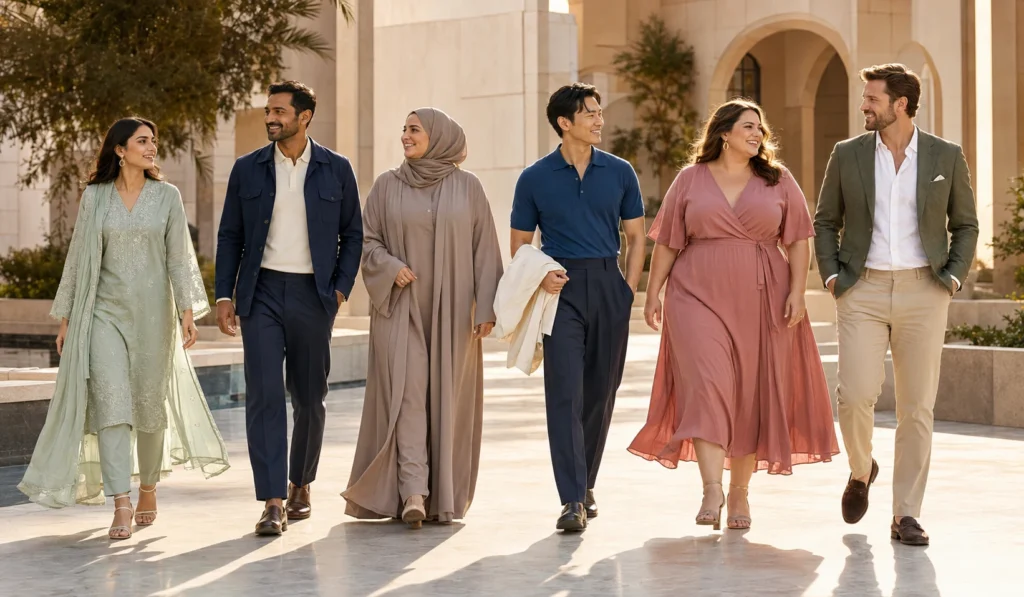
Learning how to dress for your body type is about understanding proportions, not chasing perfection. Every individual has a unique silhouette, and the most stylish wardrobes are built by enhancing natural features rather than trying to hide them.
Whether your wardrobe includes tailored business suits, casual denim, elegant dresses, Pakistani Ready-to-Wear collections, traditional shalwar kameez, sarees, abayas, or contemporary minimalist fashion, the principles remain the same: choose clothing that fits well, creates balance, and reflects your personal style.
Fashion trends will continue to evolve every season. However, understanding your body type gives you a timeless foundation for making smarter wardrobe decisions. Instead of buying clothes simply because they are popular, you’ll be able to recognise which cuts, colours, fabrics, and accessories truly complement your shape and lifestyle.
Remember that confidence is never determined by body size or clothing labels. It comes from wearing outfits that make you feel comfortable, authentic, and prepared for every occasion. When you dress with intention, your clothing becomes an extension of your personality rather than a disguise.
At SahraaWorld, we believe fashion should be inclusive, practical, and empowering. By combining timeless styling principles with modern trends and respecting diverse cultures—from Pakistani and South Asian fashion to European, Middle Eastern, East Asian, and global styles—you can build a wardrobe that is both elegant and uniquely your own.
The best outfit isn’t the most expensive one—it’s the one that fits your body, suits your lifestyle, and reflects how to dress for your body type with confidence every day.